

WILL: Follow the Light has a solid story and some lovely visuals, but bland puzzles and subpar performances leave it a little disappointing.
Being partial to a narrative walking simulator with puzzles, I was quickly drawn to WILL: Follow the Light thanks to its interesting premise and very impressive visual design. Games that I’ve enjoyed like Indika and The Stanley Parable build on these basics with interesting design or unique ways to interact with the world, and whilst WILL: Follow the Light certainly tries with its sailing sections, much of it falls flat thanks to poor signposting and puzzles you’ve seen countless times before.
It starts strong though. You play as Will, a lighthouse keeper on what I think is meant to be an island near Iceland or certainly somewhere similar. Due to a catastrophic storm, much of the nearby town is heavily damaged, with many people injured. Will heads to town to find that his father and son are both missing, so he sets out to try and find them. The early presentation is quite solid, with great visuals setting the tone for what is a fairly sad tale of loss. Arriving at the town gives the image of severe damage and a major rescue operation going on. The use of light, wind, and rain here is excellent, and you get to see a lot of this visual flare throughout.
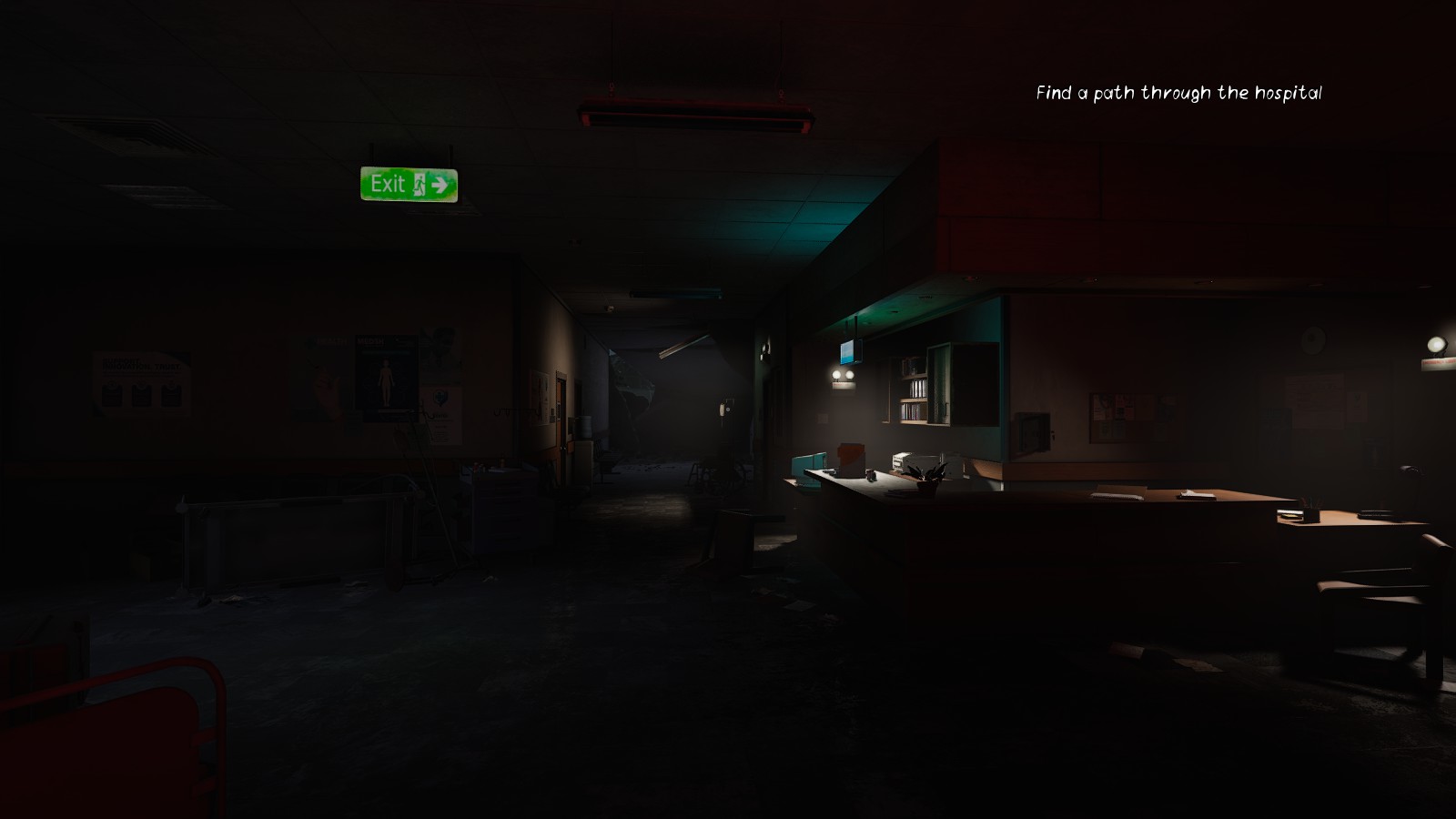
Unfortunately, the performances here are pretty lacklustre. Will, and the other townsfolk don’t really seem all that bothered with how much harm has come to the town, and by the time Will reaches the docks to set out to find his family, the devastation is something of an afterthought. Now, without spoiling too much, there might be grounds to argue that this is a narrative choice, but it really didn’t feel that way by the time I reached the end, so I’m not sure I’m willing to give this disconnect a pass. Considering the scenes of devastation, I would expect the people you speak to to be more distraught, and these slightly off performances persist right until the end.
Something else that feels a little bit of a letdown is the sailing element, which is presented as a major part of the game — if the trailers are to be believed. I’ll give a lot of credit to how much effort has gone into the sailing, with you needing to raise and lower sails, manage the ropes, and ensure you’ve plotted a suitable course. The thing is there isn’t really all that much sailing to be done, and when there is you’re given a button prompt to skip it once you’re on course. All this effort for something to just be bypassed without any real challenge being presented. Considering how impressive the weather effects are during these sections, you’d think there would be more to them. I did enjoy the dogsledding though, no matter how brief it was.
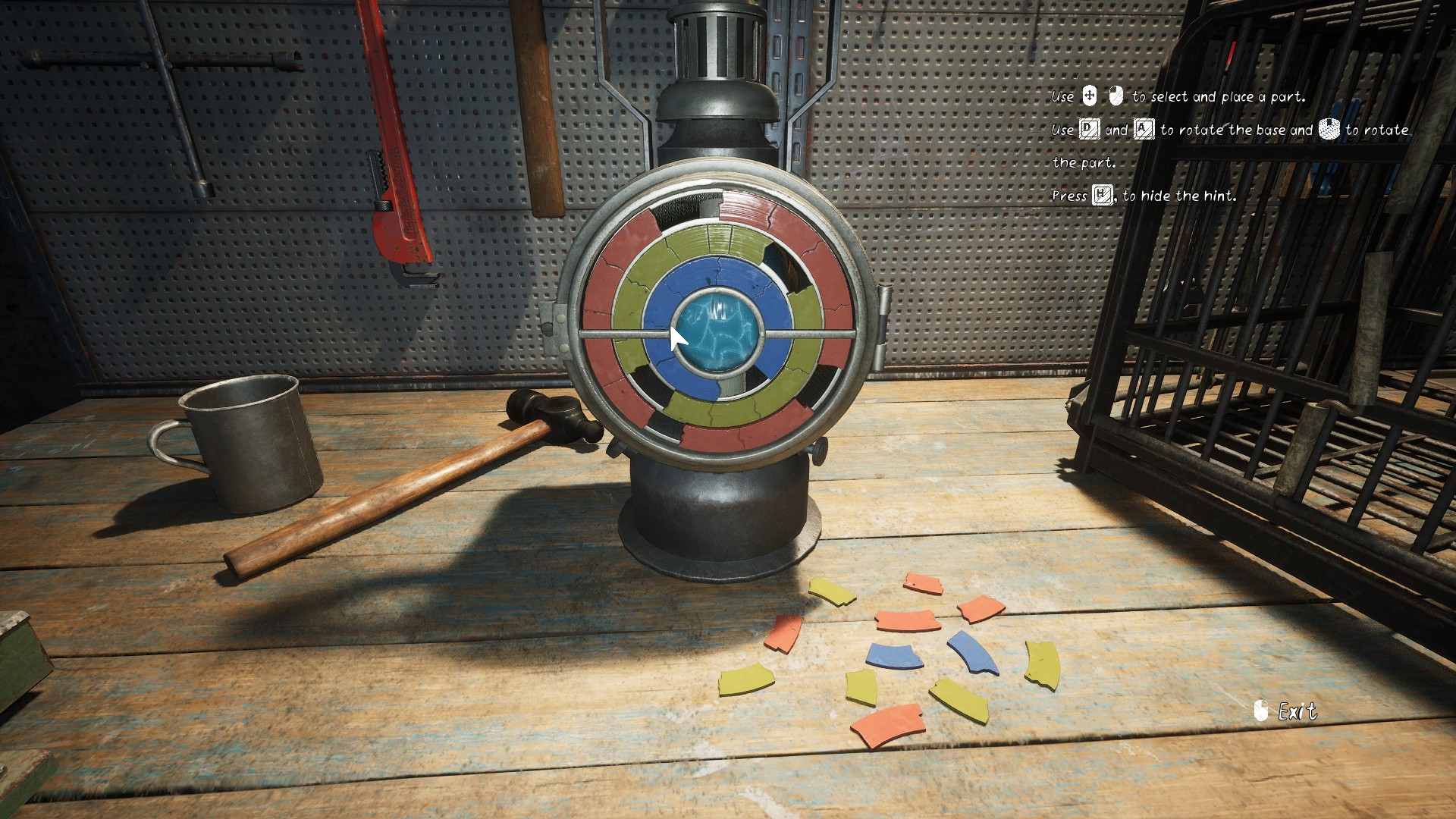
Then there are the puzzles. You get the occasional fun one involving the use of a supernatural lantern that allows certain drawings in the environment to come to life, which I enjoyed using as it felt unique. So many others are a drag though, with you needing to shove boxes around, use cranes to shift blocks, or try to work out the correct order to slick switches. They may be realistic problems to solve when you’re dealing with a damaged boat in a dock, but realism doesn’t always equate to enjoyment, and they often felt like they were just slowing down the mostly engaging storyline, especially when some are so poorly signposted that I felt as though I had to brute force them.
It’s a shame that there are all these issues, as the story, for the most part, is really quite good, charting Will’s complicated relationship with both his father and his son. You pick up a lot of this through conversations with those who know your family and finding scraps of information during your travels. Will’s journal fills up with extra thoughts and memories that give more context to the plot too, so it’s good to slow down and have a read through it every now and then. If you’re willing to put up with some disappointing puzzles, it’s an engaging narrative.
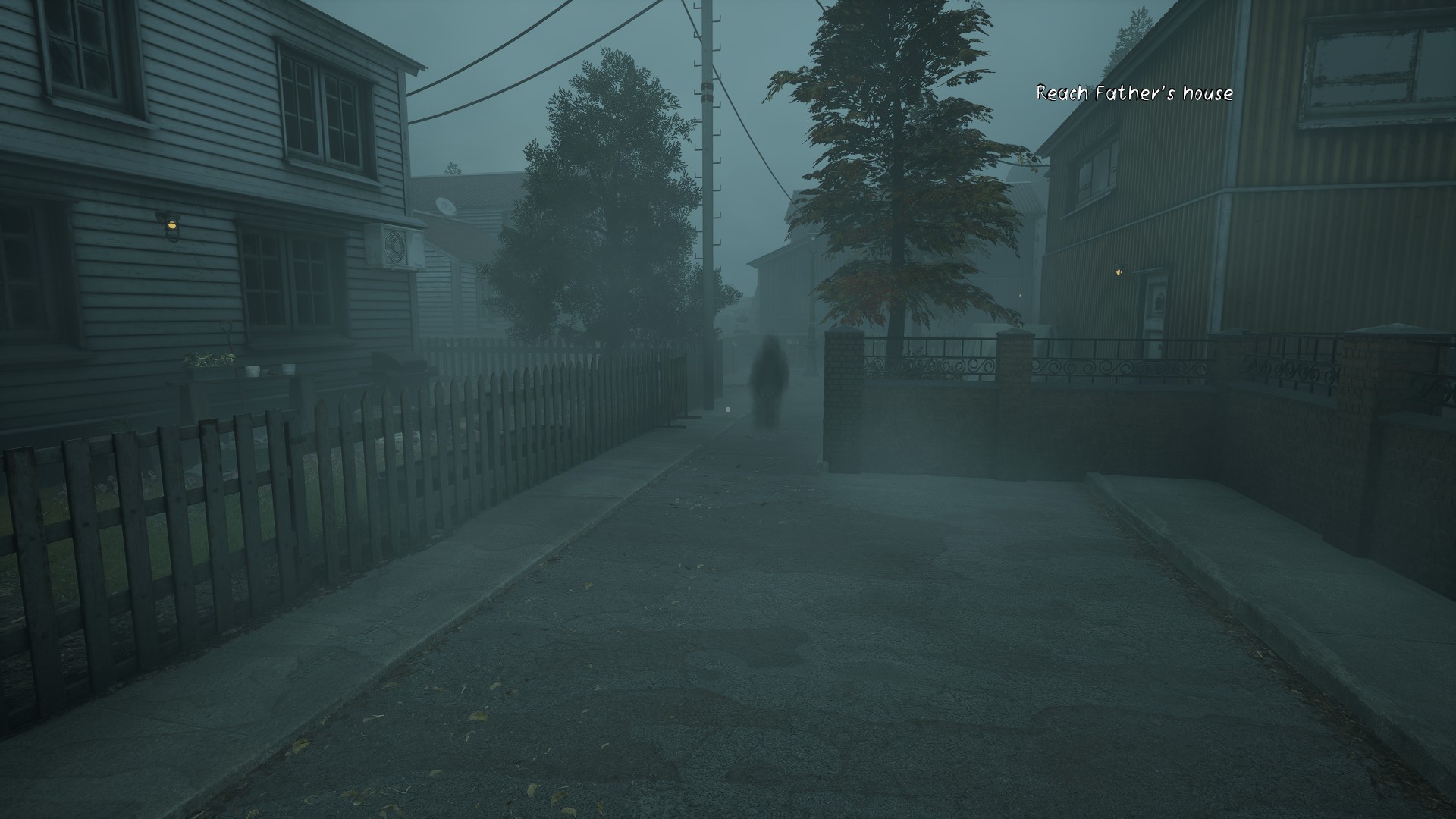
In terms of presentation, the visuals are very strong as I mentioned. There’s the occasional UE5 jank from time to time, and some of the character models are less than stellar, but the environments are excellent, as are the weather effects. The voice work is a mixed bag, with some solid performances, and others that feel pretty stilted and emotionless. Music and sound effects are very good though, especially the music which seems perfectly placed to land the feelings the devs want to elicit at any given point.
WILL: Follow the Light feels like it has a lot of ambition that just couldn’t be capitalised on. The developers certainly have a flare for visuals and music, so I’m hoping in future games they turn their attention to creating puzzles with greater depth, or more engaging gameplay loops. As it stands, this is a game for those who can overlook those let downs and focus on the plot itself. There’s a good tale to enjoy here if you’re willing to follow it through thick and thin.
WILL: Follow the Light is available now on PC, as well as Xbox and PlayStation consoles.
