

Whilst the variety of threats are limited, Project Songbird offers a creepy survival horror puzzle game that kept me engaged to the end.
As a veteran horror enjoyer, I find myself a bit desensitised to a lot of games that come along these days. Many rely far too heavily on jump scares or overly grotesque creature designs rather than trying something that’s actually going to put you on edge. Song of Horror had interesting death mechanics that made failure feel genuinely threatening, whilst Oxide: Room 104 used a bizarre limb loss system that meant you really wanted to stay safe. Project Songbird doesn’t do any of that, but the framing of the story, constant threat for some of the puzzles, and the frequently oppressive soundscape kept me on edge anytime I was somewhere I didn’t want to be.
This is a very personal story, something that the developer makes clear early on, and I don’t want to spoil too much of the plot or why it’s framed in the way it is. Suffice to say, the overall ending was genuinely fascinating and may cause you to think a little more about how creatives perceive their profession.
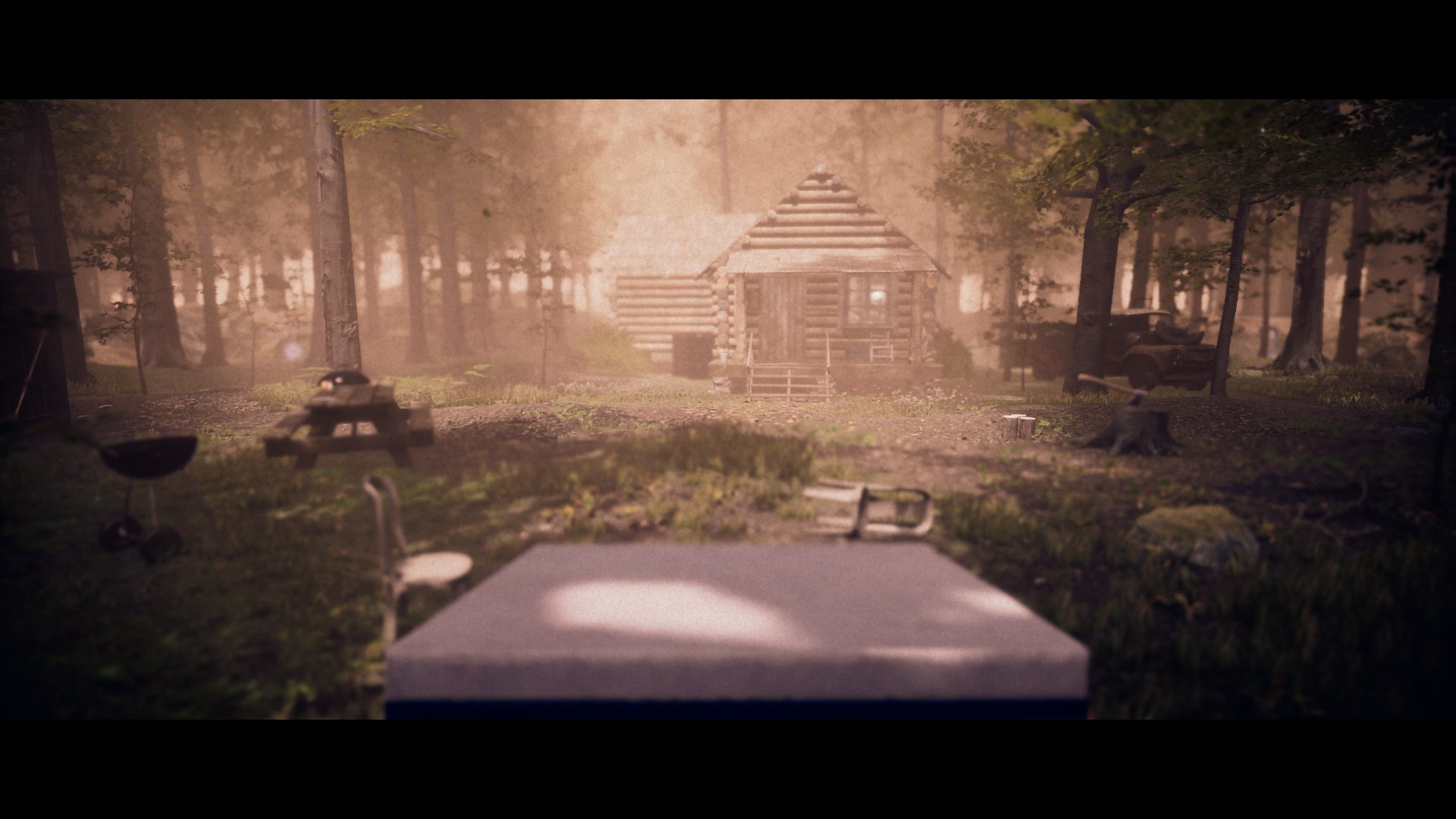
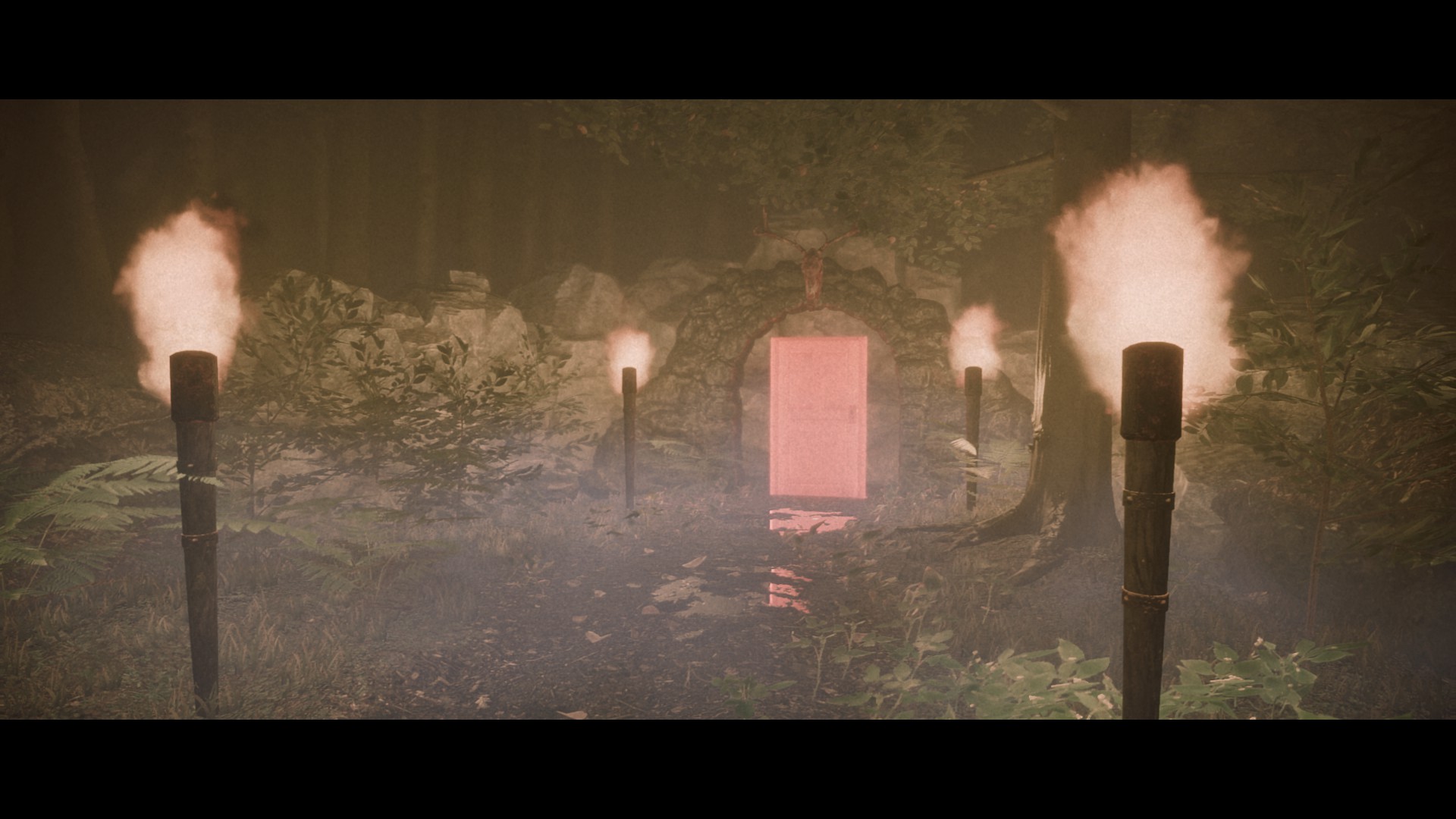
Anyway, in game terms, you play as Dakota. She’s a previously successful musician who has been struggling to find the same success now that she has started making music that she wants to make. Rob, who I’m pretty sure is her record producer, suggests she goes out to a remote cabin that other creatives have previously used to rediscover their talents in the hopes that she can finish the record she’s contracted to complete. As you may guess, things out there aren’t quite as wholesome as they may seem as Dakota is haunted by dreams of a mysterious red door and glowing orb that seems to draw her towards her goal.
I actually quite enjoyed the plot and how it was built over the course of the game. Everywhere Dakota appears to visit feels relevant to her story, even as they become more twisted. With that said, the supposed twist towards the end is heavily telegraphed throughout to the point that I wasn’t entirely convinced it was even a twist at all. Anyway, the story is interesting which is somewhat crucial to a horror game.
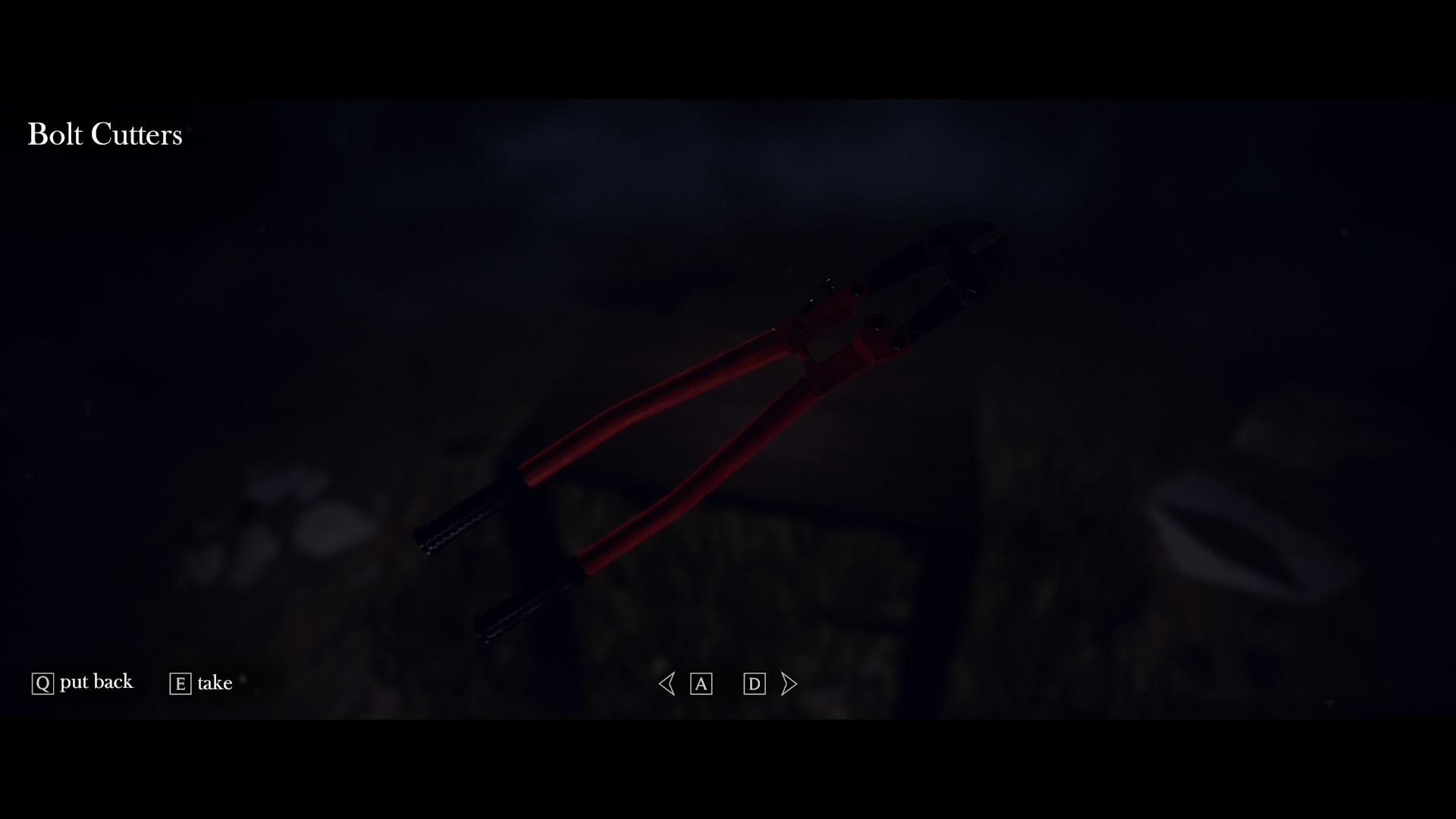
Each time Dakota discovers a creative spark, she finds herself in a dreamlike version of a place that she recognises and needs to find her way out of and back to the cabin to begin recording. You’ll find puzzles that need to be solved that do a surprisingly good job of skating the line between too easy and frustrating. I felt smart enough as a result of working them out quickly, but didn’t get annoyed if I had to faff about finding a solution. There are a few weaker ones, such as wandering around opening valves, but they’re in the minority, and you’ll find lots of neat ones that mess with the environment similar to Layers of Fear and its ilk.
You will be under threat with some of these puzzles though, and this is where the being scared thing landed for me. Realistically, there are only two threats in the game, and one of them can be handled pretty easily once you get a decent weapon and manage the very limited ammunition you find. One enemy is just a big old inky monster with bladed arms that wouldn’t look out of place in Resident Evil VII. They’re frightening at first, but you learn how to handle them pretty quickly. The other is one of those monsters that chases you when you aren’t looking. Pretty standard stuff, but the sound they make is thoroughly creepy. They’re far faster than you, and as they get closer the volume grows and these very upsetting wheezing and snapping sounds increase in intensity. I found myself panicking, turning and having to restart puzzles as they rushed behind me only to find they were inches away forcing me to lead them elsewhere. These never stopped being scary and I applaud the use of sound here.
It’s the sound that really does the job in Project Songbird, which is fitting considering the theme. Dangerous areas sound dangerous and the use of ever deeper tones told you you weren’t safe. Be prepared for some sharp volume increases if you’re a headphone user is advice I’d give! There’s excellent music too, with a variety of records you can listen to as well as tapes that Dakota records throughout the game. Annoyingly, you can’t keep them on as you wander around the cabin, so you have to stay on the menu screen.
The visuals are solid enough. There’s some great lighting effects here and there, with that almost cliché at this point red glow in a lot of places that sell the atmosphere well. Environments look pretty good, especially the house you end up exploring at once point in the game but character models seem to be deliberately kept out of view as they feel a little sloppy when you do catch a little glimpse of them. You’ve got that horror game trope of the grainy camera look to it too, but it works quite well here so I’m not going to complain about it. There’s a fun set of unlockable filters you can use after you finish the game which is a neat touch.
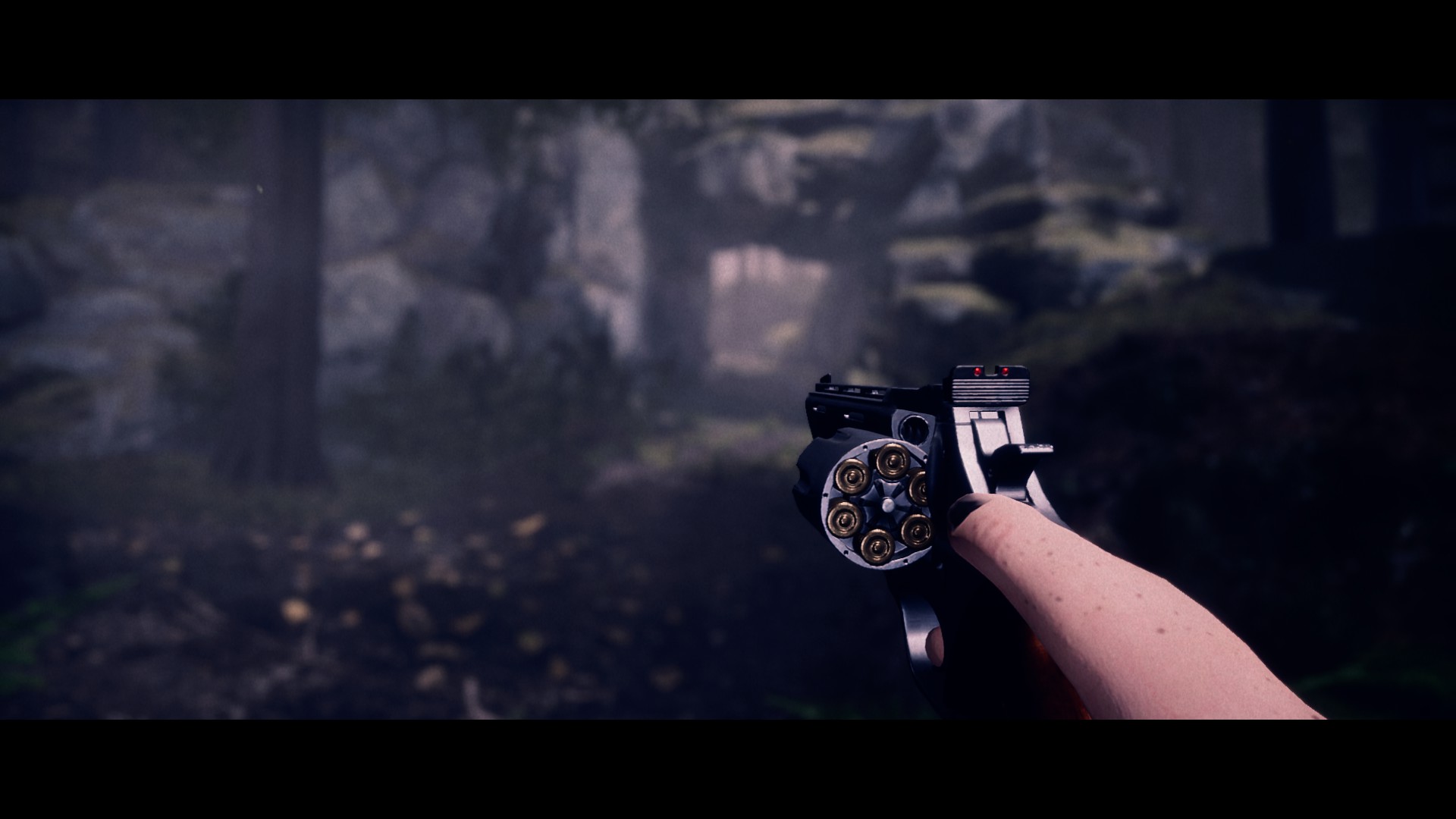
There were a few bugs here and there, though this was a pre-release build and I believe most are known about and due to be fixed before the actual release, and none of them were game breaking. I will have a little moan about some undercooked elements too, such as the camera that Dakota has. I never once used it due to there being limited film and assuming it would be used for something specific later on. There’s also a sound recorder that can capture sounds when you’re out and about, though I’m not sure why. The latter can be used to try and hear monsters behind doors, but it doesn’t change that you’ll have to go through it anyway, so it does little. You can also upgrade your weapons, which seems a bit of an odd inclusion when you’ll only use them a few times throughout. These are all pretty minor gripes in the grand scheme of things though.
I genuinely enjoyed Project Songbird. Having played so many horror games over the years, it’s nice to find one that really grabs me for once. Whilst it is a little rough around the edges here and there, and sometimes you don’t have as much direction as you might want, there are some fun puzzles and a good set of scares to be had.
Project Songbird is available now on PC, Xbox, and Playstation.
