

Unforgiving as it is, Blasphemous 2 is a richer, more confident evolution of the original.
Blasphemous 2 is a brutal game that takes everything The Game Kitchen established in its first outing and rebuilds it with greater precision, better pace and a perfect sense of mechanical identity. It still leans heavily into its distinctive blend of religious imagery, grotesque beauty and mournful atmosphere, but this time the experience feels heavy and deliberate. The world is more interconnected, the combat more expressive, and the platforming more fluid, creating a sequel that nods towards the foundations of Blasphemous while addressing many of its rougher edges.
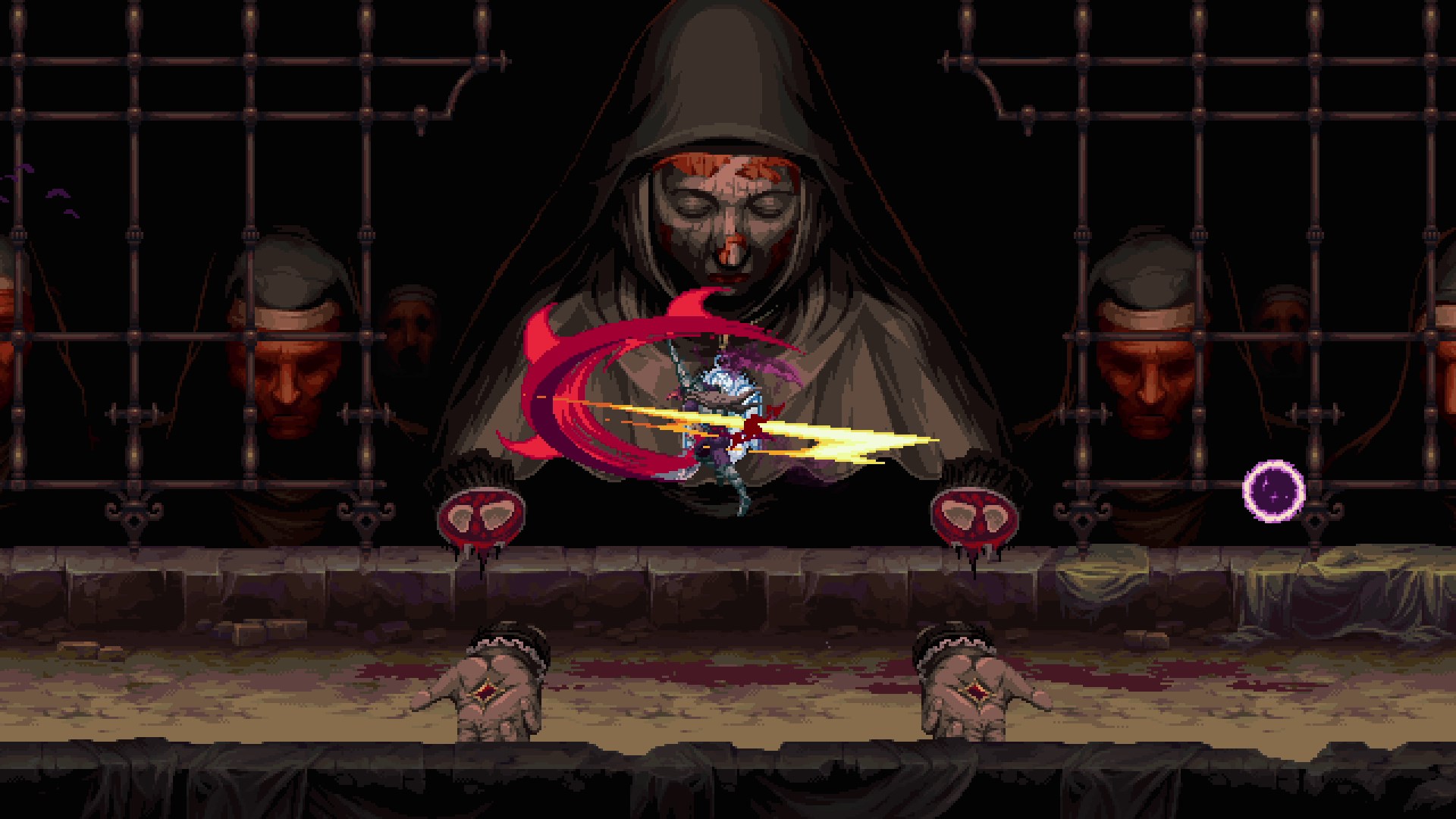
Given I’d only played the first game briefly, the first thing that struck me about the sequel is the art direction. The Game Kitchen’s pixel art was known as some of the most evocative in the genre, but Blasphemous 2 pushes it considerably further. The world is richer, more detailed and more beautiful in its own terrible way. Every screen feels like a painting of religious anguish: twisted saints, bleeding icons, impossible architecture that seems to sag under the weight of its own sorrow and even darker stuff as you dig deeper.
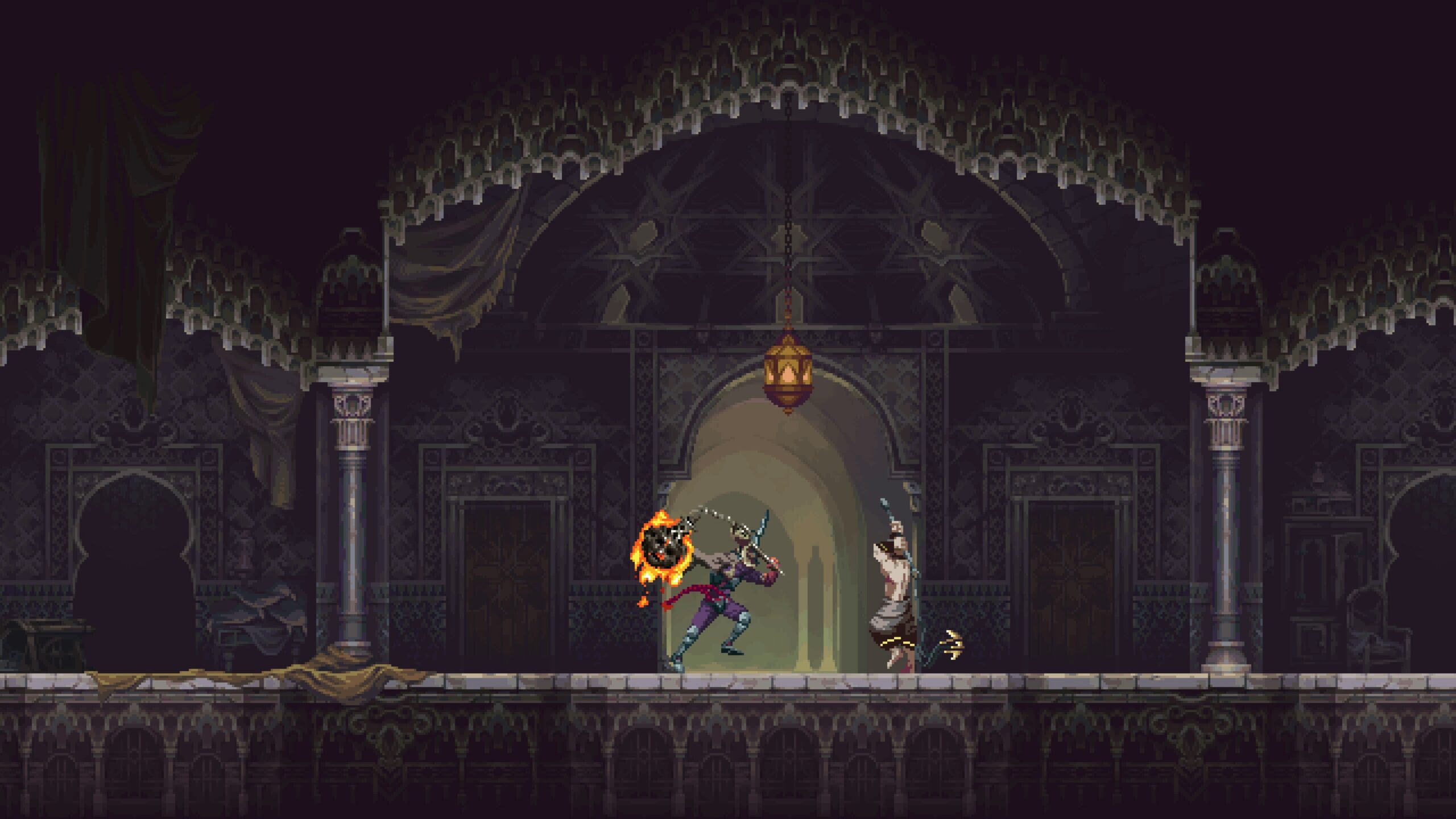
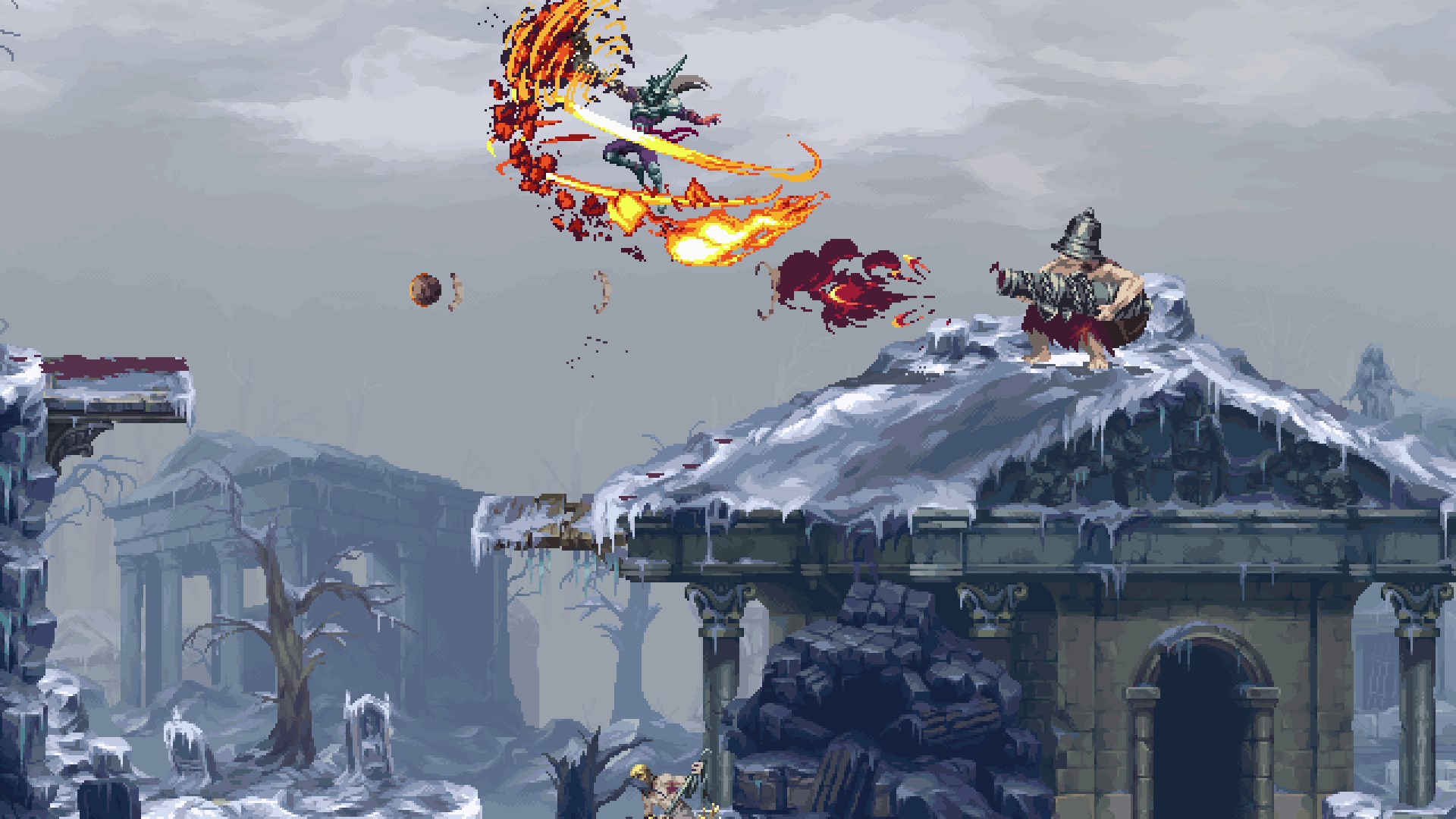
The animation work here is extraordinary — fluid, expressive and often unsettling. The player character — known as The Penitent One — moves with a weight and deliberateness that makes every action feel meaningful. Enemies contort and collapse in ways that feel both theatrical and tragic. It is a world that is constantly dying, pleading and demanding penance as you leap, chop and slide your way through the well-designed maps.
The narrative continues the Blasphemous’fascination with guilt, ritual and cyclical suffering. It is dense, cryptic and steeped in symbolism, but it is also more accessible than the first game. NPCs speak with clearer intent, item descriptions are more logical, and the overarching structure of the story is easier to follow (without sacrificing the mystique that defines the setting). The writing remains poetic and sorrowful, and the world feels culturally rooted, drawing on Spanish Catholic imagery and folklore in a way that feels reverent even as it interrogates the cruelty of devotion. It’s Elden Ring, but in pixel-art and rooted in more familiar iconography.
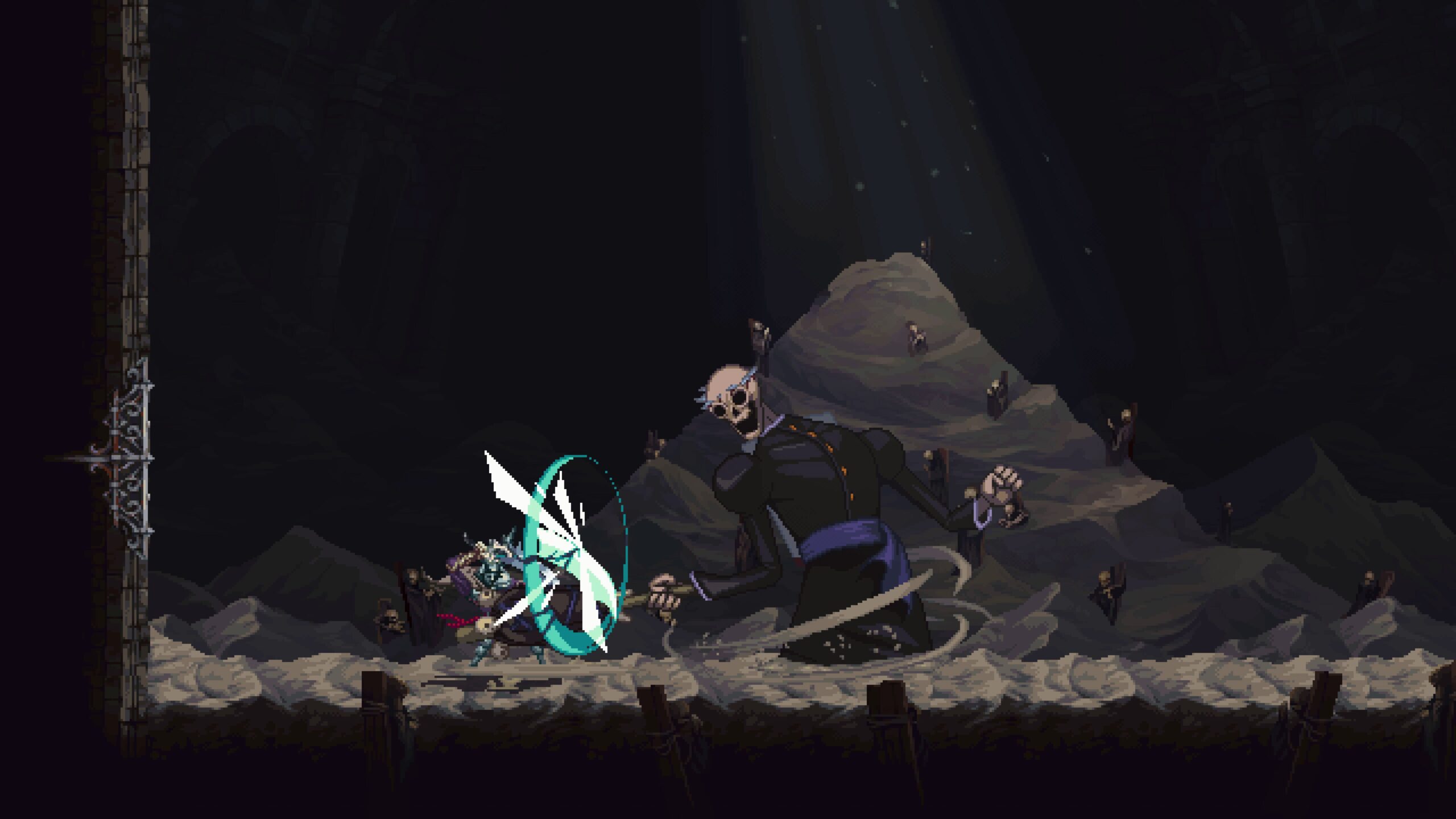
Mechanically, Blasphemous 2 is a significant step for all Soulsvania style games. The Penitent One now has access to three distinct weapons, each with its own moveset, rhythm and upgrade path. Veredicto, the massive flail, is slow but devastating; Sarmiento & Centella, the dual blades, are fast and precise; and Ruego al Alba, the balanced sword, sits comfortably between the two.
The brilliance of this system is not just the variety but the way the game encourages you to switch between weapons fluidly (once you have access to them). Certain puzzles, enemy types and traversal challenges are designed around specific weapon abilities, which means you are constantly re‑evaluating your approach, even as you must learn how each weapon feels and responds in combat. This adds a layer of tactical depth and nuance that the first game lacked, and it makes the combat feel as expressive as even the best three-dimensional action RPG’s.
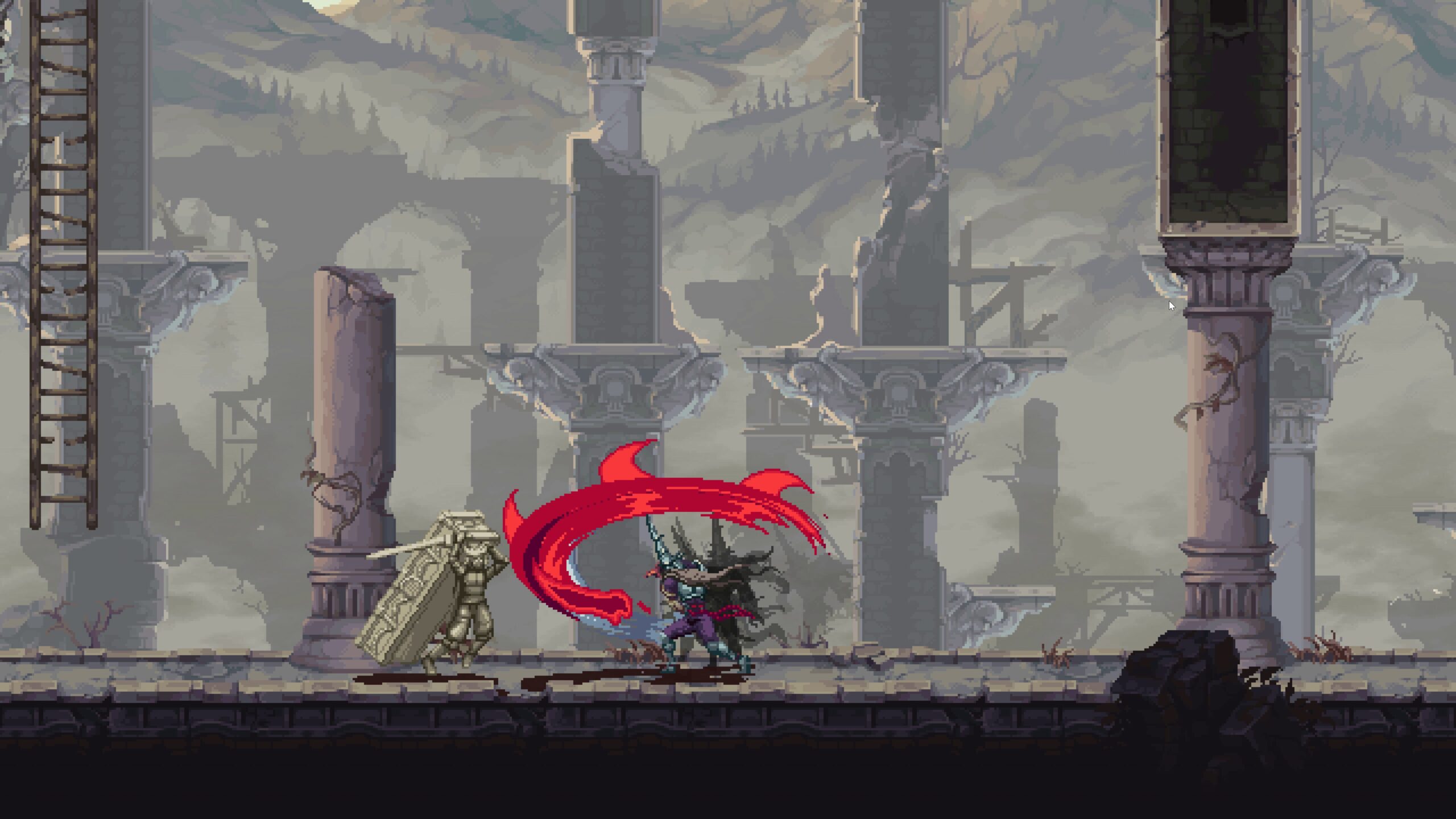
Based on my limited time with the first game, the platforming sections are also improved. The first Blasphemous occasionally struggled with stiffness and imprecision, but the sequel introduces new movement abilities that make traversal more dynamic. Air dashes, double jumps and weapon‑based mobility options give the world a sense of verticality and flow. The level design takes full advantage of this, offering intricate routes, hidden chambers and clever environmental puzzles that reward curiosity. It feels like a true platformer now — albeit one that blends extremely difficult combat and tough platforming together in ways that can be infuriating.
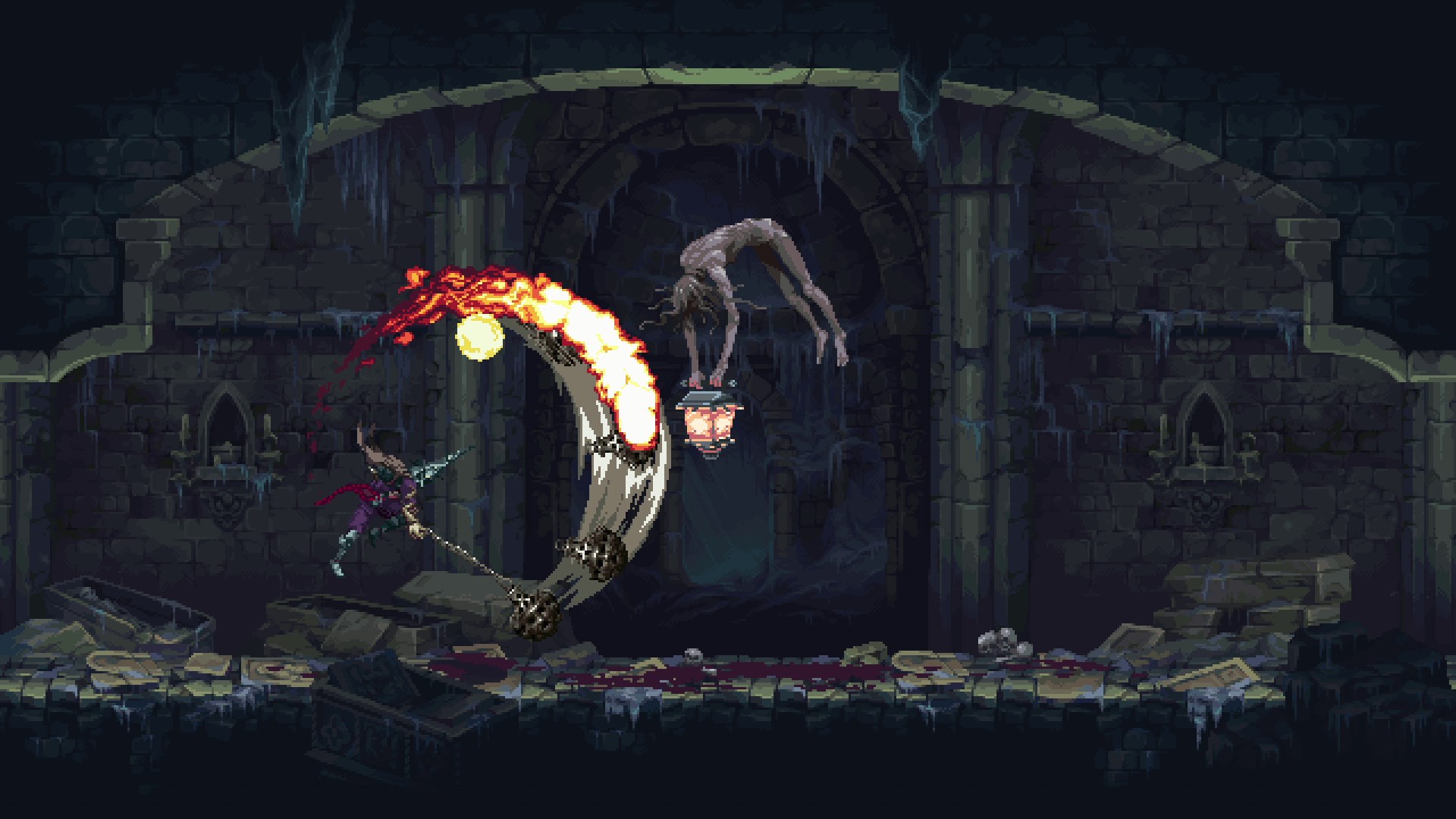
Boss battles remain the heart of the experience, and they are among the best in the genre. Each boss is a spectacle of animation, design and pattern recognition and a grotesque embodiment of the game’s themes. Bosses are challenging but arguably fair, with clear telegraphs and patterns that reward patience and observation, although there are many that still had me tearing my hair out. The difficulty curve is smoother than in the first game; deaths feel like lessons rather than punishments and when you do defeat a towering boss that has killed you several times, the sense of achievement is monumental.
Progression is flexible in a way that veteran players will love, but for me it could be a bit too open. The skill tree allows you to tailor your build, enhancing weapon abilities, improving survivability or unlocking new combos. Rosary beads and prayers return, offering further customisation. The game encourages experimentation, and because the world is more open, you can often choose the order in which you tackle major areas. This freedom makes the experience feel more personal, but it also means that you can get yourself in trouble from time to time.
The sound design deserves special mention. The soundtrack is a mournful blend of strings, choral elements and folk instruments that evoke strong emotions of reverence and despair. It is one of the most atmospheric scores that I’ve heard in any recent indie title, and it elevates every moment of exploration and combat. Sound effects are equally strong — the clang of metal, the crack of bone, the whispered prayers of dying enemies. It’s a really good package overall and it feels like tons of effort has been spent here.
If Blasphemous 2 has weaknesses, they are minor. Most importantly, this is a very, very tough game and if you don’t like that, then you should steer completely clear. For those who understand what they are getting into, then some backtracking can feel repetitive and some of the sections that blend combat and platforming can be a bit overlong between checkpoints. A few enemy types can feel overly punishing in tight spaces, and the density of lore will still overwhelm players who prefer straightforward storytelling. That said, these issues are small compared to the overall cohesion and craft on display.
What makes Blasphemous 2 so compelling is its clear sense of purpose. I feel that the Blasphemous 2 devs knew exactly what they wanted to create, and exactly how they wanted it to look and feel when done. It is brutal but not cruel, sorrowful but not (entirely) hopeless and very, very impactful when you make progress. It invites you to reflect on suffering, devotion and redemption without too much lecturing, and it presents a world that feels alive in its decay, beautiful in its ugliness and vengeful in its violence.
For me, Blasphemous 2 is a triumph — a sequel that honours its predecessor while surpassing it in almost every way. It is a masterclass in atmosphere, art direction and mechanical refinement. For fans of the first game, it is everything you hoped for. For newcomers, it is one of the most distinctive and emotionally resonant Soulsvania games that I’ve played.
Blasphemous 2 is available now on PC, as well as Nintendo, Xbox and PlayStation consoles.
