

With game series like Hollow Knight taking the indie world by storm, we’ve seen a fair share of Metroidvania and Metroidvania-adjacent games roll out this past decade. It’s easy to assume, at first glance, that if a game is 2 or 2.5D and has Metroidvania elements that these games are all cut from the same old cloth. As it happens, the genre is filled with mashups, unique ideas and a surprising variety of gameplay styles that are worth exploring in 2026. So let’s look back and (in no particular order) pick out some of the best, most innovative indie Metroidvanias on PC.
1. Dead Cells – Fast, Fluid, Fun
Dead Cells put developer Motion Twin on the map in a big way. The game grew from cult-classic to indie darling, and even garnered an official Castlevania DLC. In more recent news, the developers are also helping make the next whole new Castlevania game. It’s no small feat, but play Dead Cells for a few runs and you begin to see why.
Dead Cells forgoes the traditional permanent map progress and nook-and-cranny backtracking that can be so emblematic of other Metroidvanias, instead replacing that idea with roguelite progression. Learning which areas proceed which, where keys are located, how maps are generated and more adds up run to run, resulting in the same expansive and exploratory feel of a more traditional Metroidvania world.
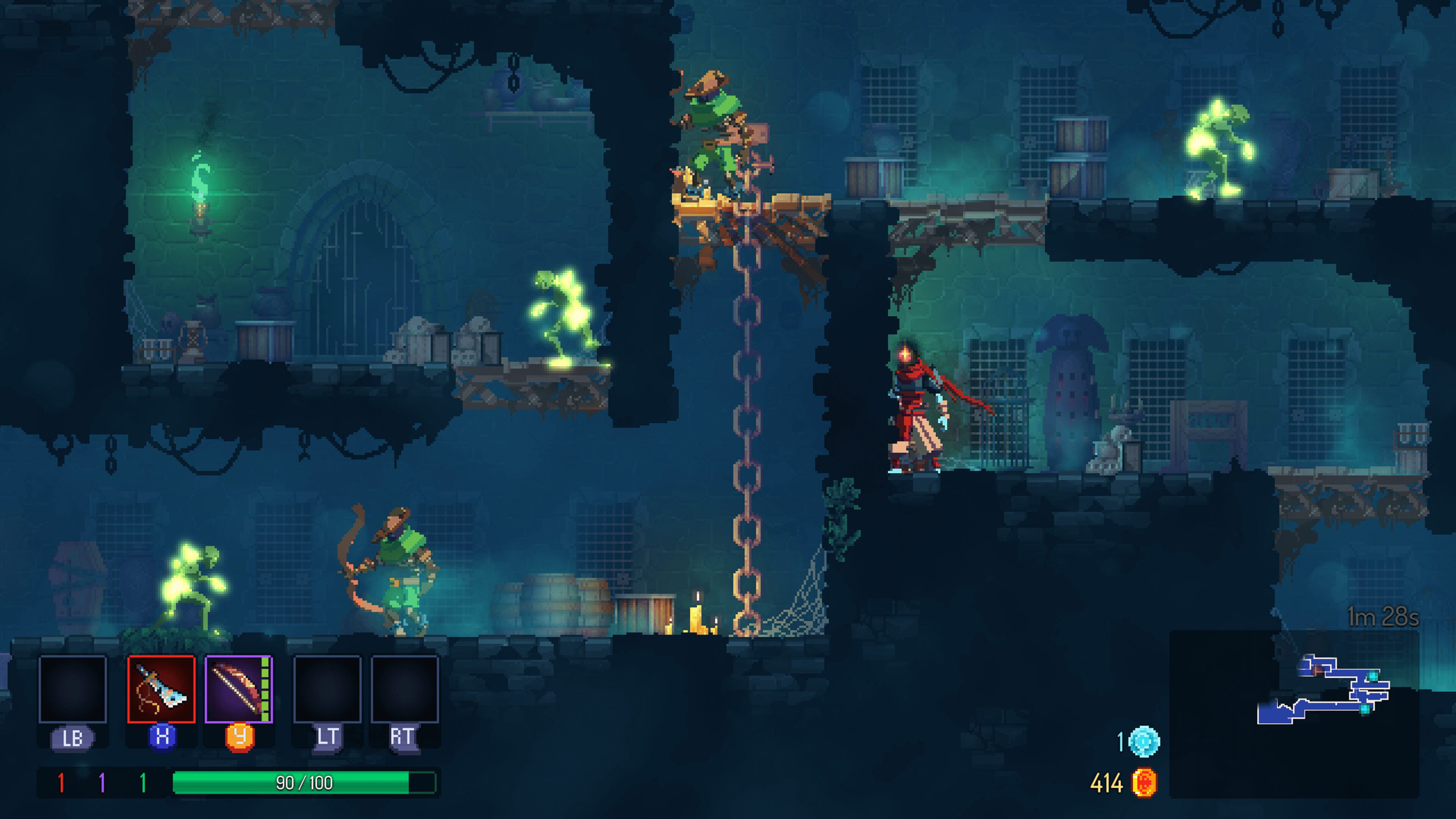
The roguelite structure and constant unlocks makes even failure fun, in a way that other games in the genre such as Bloodstained: Ritual of the Night simply can’t do.
That’s all without mentioning the real meat on Dead Cell’s bones: The speed. A system called Adrenaline increases your movement speed and damage the more enemies you kill. With practice, this becomes the key to having efficient, focused runs that inject all the dopamine you could want directly into your eye holes. The game becomes a chaotic whirlwind that, despite the amount of information you’re having to process per second, feels entirely in your control. Learning weapon movesets, jumping puzzle solutions, stringing in door-bashes and rolls and blocks offers a level of player expression (as well as a learning curve) that few games are brave enough to commit to.
It’s worth remembering that Dead Cells originally launched almost 10 years ago, so you’ve probably seen other “Action platformer roguelites” since, but Dead Cells remains far from derivative, and at the time we said “The combat feels tight, the enemies are challenging, the progression is a build-up to the next area or boss fight — yes, it has those — and overall, it just does something new that I’ve never seen before and does it well.”
Dead Cells is available on PC as well as PlayStation, XBOX and Nintendo Switch consoles
2. Rain World – Survival, Sadistic…Slugcat
A simple (and beautiful) appearance hides a far more intricate and deeply-threaded survival core in this unorthodox Metroidvania. You’re not pushing through this world to unlock power ups and kill a God, you’re doing it to survive. Finding a little nook isn’t filled with thoughts of Wall Chicken or extra exp, but instead of the physical benefit of a safe place from the rain and the horrors within it.
Said horrors really will show no mercy, with your little Catslug getting one-shot more often than not. Progress rolls back to your last rest, and rests advance the seasons of the world. This back-and-forth makes losing progress hit even harder, while ensuring that making progress feels even more relieving than getting back to Firelink in Dark Souls.
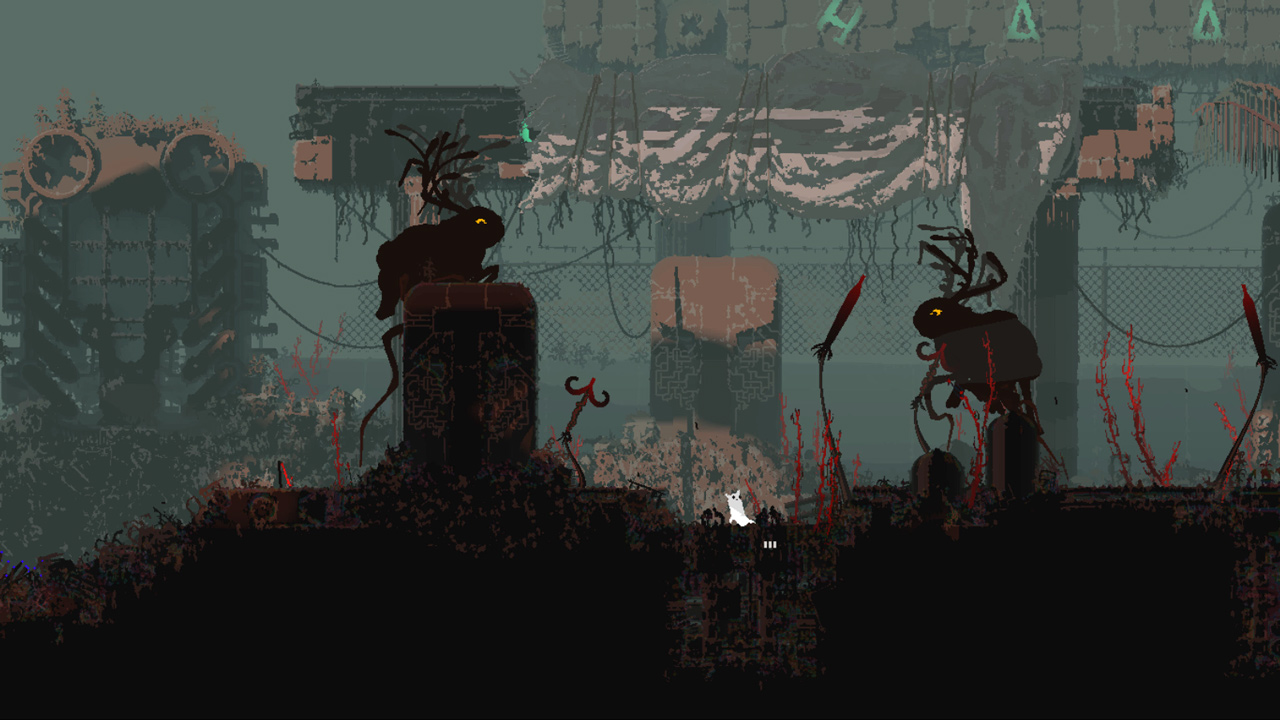
Rainworld reminds me of the Animal Well before Animal Well, and that’s about as much praise as an indie puzzle-survival Metroidvania can get. Just like we said at the time: “I’ll save [the secrets] for you to discover by accident as you play; as I did many of the secrets hidden behind rocks, in plant pods, or on beasties. But, it’s moments like discovering that little ‘regression’ plug, which moves to where you last died between hibernation that make you feel like you’re peeling back layers of a puzzle”
Rainworld is available on PC as well as PlayStation, XBOX and Nintendo Switch consoles
3. Nine Sols – Parry, Persevere, Prevail
Let’s add another game mashup to the Metroidvania list: Sekrio! Nine Sols is a precision combat platformer with tight parries, dodges and delayed-attacks based around a talisman system. Stamp up enemies by knowing their moveset by-heart, and then detonate or otherwise utilise those talismans for your combat abilities.
Learning enemy animations and cycles is more important in Nine Sols than any other combat Metroidvania I’ve played, and the game doesn’t let up easily. Your own practice and patience are as much abilities in Nine Sols as your actual character’s skills.

While the game certainly focuses on bosses and encounters blocking your path more than the diverse progression we’ve seen in the genre before, the game still presents a “rich world too, you have an inventory that collects together notes and pieces of lore that you gather as you explore”. This meld of lore-driven worldbuilding, bit-by-bit exploration and frankly absurd combat makes Nine Sols a unique challenge in the genre.
Nine Sols is available on PC as well as PlayStation, XBOX and Nintendo Switch consoles
4. Death’s Door – Crows, Chords, Character
Death’s Door is a 3D entry into the genre, and oozes with character and charm. The soundtrack plinks along with a rhythmic footstep beat, perfectly encapsulating the tippy-tap of your little crow claws. Conversely, it can drop all pretence of calmness and evoke frantic, fight-for-your-life adrenaline.
The world is a low-poly 3D affair that, nonetheless, looks fantastic. “Simple but effective” is the mantra of every element of Death’s Door, and that makes it probably the most accessible game on this list (While still being deeply engaging for long-time players). The enemy designs marry together with the world and music to create memorable encounters that I still remember vividly *checks calendar* 5 years on…
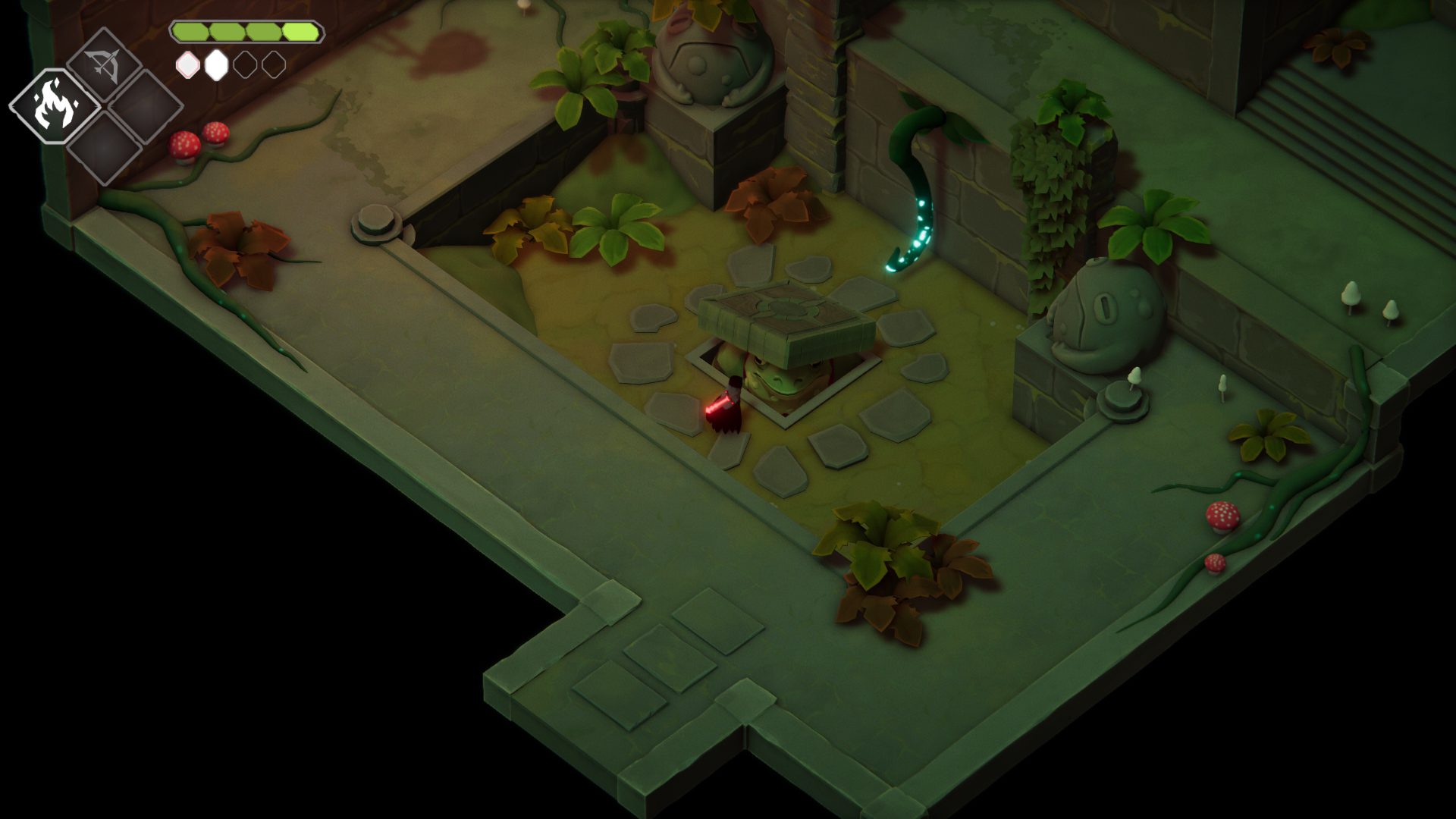
Upgrades and abilities are subtle but just as game-changing as something more dramatic in another title. You won’t be clamouring for triple jumps and air dashes and the like, instead you’ll be equipped with simple tools and moves that fit into the world more seamlessly. Being able to light fires, for example. Death’s Door excels at making you feel like a practical problem-solver rather than an all-powerful ascending hero.
If you’ve played Acid Nerve’s previous title Titan Souls you’ll even notice some nods, and then those nods might seem like more than nods. The grander story is intriguing and permeates into the gameplay, making Death’s Door one of the most fondly-remembered 3D exploration games I’ve ever played.
Death’s Door is available on PC as well as PlayStation, XBOX and Nintendo Switch consoles
5. Blasphemous 2 – Grim, Gruesome, Gorgeous
Blasphemous came out of left-field in 2019 to cult appeal (and even earned itself a fancy physical release this year). While many games have attempted the Soulslike Metroidvania, none had nailed the vibe quite like Blasphemous. By the end of the DLC there were screen-sized gods, failed angels and imagery that I actually can’t describe here in good faith (pun intended) lest we receive some sort of takedown request.
Blasphemous 2 is a traditional sequel to an unorthodox (again, pun intended) game. More levels, more weapon variety, more bosses, more weird quests and bizarre imagery. Aerial movement is a staple of the genre, and Blasphemous 2 incorporates your classic air-dash and grapple points to expand your exploration and combat options.
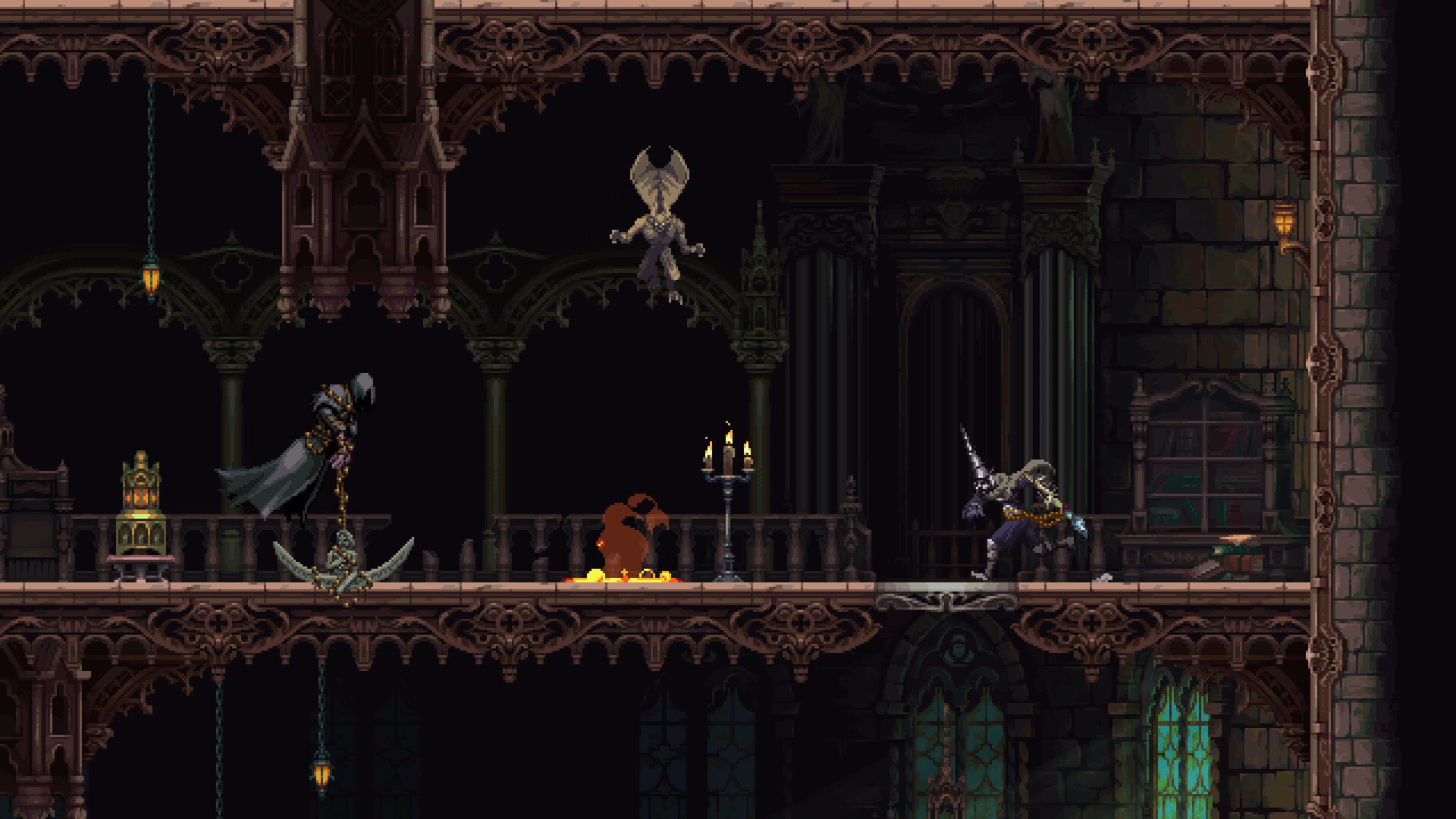
The game’s artstyle is gritty and grounded, so the more fantastical movement elements can feel a little forced at times, but by far the pros outweigh the cons and the resulting system is a gory display of combat and movement mastery.
Just like Dead Cells snagging the developers the rights to make a full-on Castlevania game, Blasphemous won developers The Game Kitchen the opportunity to make the new 2D Ninja Gaiden game! Like one Steam review says: “No wonder they’re called The Game Kitchen, they know to cook”.
Blasphemous 2 is available on PC as well as PlayStation, XBOX and Nintendo Switch consoles
6. Animal Well – Weird, Wonderful…Well
Animal Well might’ve suffered from the exposure of being the first big project pushed by that YouTuber, but if you can somehow find someone who has no idea what I’m on about then they’ll still fall in love with Animal Well. Underneath the hype and glazing is a genuinely mysterious, unique and heartfelt game world that is a joy to uncover.
The Metroidvania elements in Animal Well are perhaps the most intricate and free-form in the genre. Multiple puzzle items, “weapons” and movement tech opportunities compound to make exploration unique for every player. I’m sure I was early to some discoveries (such as how you fast-travel, but I shan’t say more) and late to many others. The feeling that I was exploring an unexplored game and that my progress was truly my own — that the secrets I found really were secret — has never been achieved to this degree in the genre before.

The artstyle might be a bit much for some people at first. By a bit much I of course mean a bit little, as the bit-size and limited colour palette can make the game look “dated”. It doesn’t take long, though, for the veil to lift and all those little specs of colour come together to create coherent, beautiful areas and enemies.
Our very first impression was that “It’s a metroidvania that feels full of life and character, creating a unique, memorable experience within a long-standing and heavily used genre.” If you like solving problems and not knowing whether what you did was the intended solution or you just broke the game: Animal Well is for you.
Animal Well is available on PC as well as PlayStation, XBOX and Nintendo Switch consoles
7. Hollow Knight: Silksong – Demanding, Divisive, Delightful
It is time.
At this stage you’ve almost certainly heard of Silksong, and our original review went over the main complaints the game was bombarded with. Namely: 2-hit attacks, 0 reward for bosses and insane run-backs with repeated gauntlets. The nitty-gritty of these boils down to inconsistent difficulty and a lack of any sense of progression.
I certainly found that upgrading my healing from 3 to 4 hearts was f*****g pointless when everything does 2 damage anyway, meaning those heals are functionally identical. The lack of rosaries from boss fights left players poor and unrewarded even after the game’s keystone challenges, and it all added up to me dropping the game after finishing Act 1.
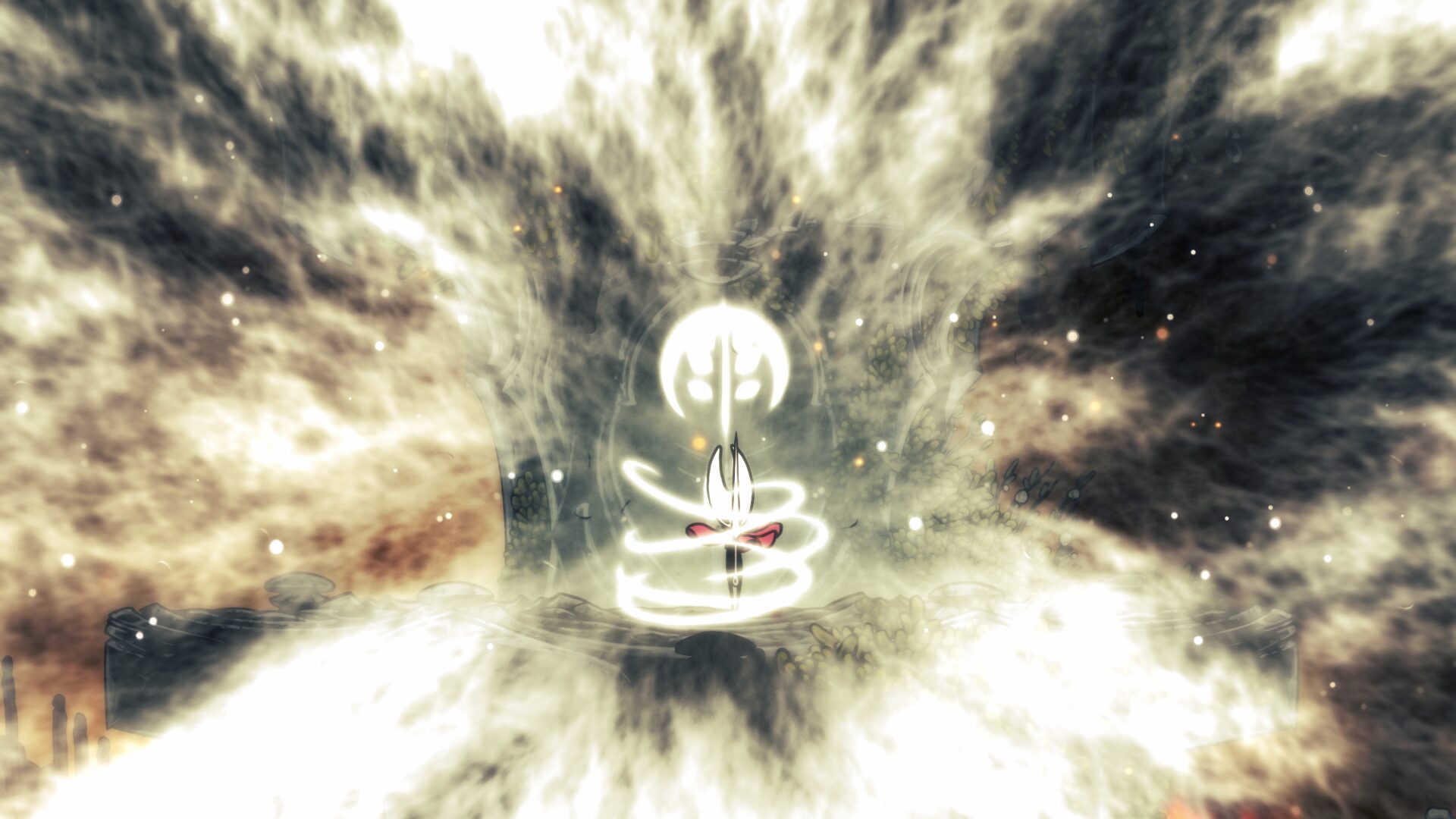
However, I would never say the game is bad. It was certainly disappointing to me that I felt so disincentivised that I simply stopped playing, but plenty of people didn’t. I had gone in with the assumption that my enjoyment of Hollow Knight and of other “punishing” games such as Souls or others on this list would mean Silksong was made for me: It wasn’t.
It’s moments like those highlighted in our original review that stand out: “The moment that sealed this game for me, and truly got me to love it, was an early Act 2 boss called the Cogwork Dancers. These two robotic mantises dance around the arena, moving in sync with one another to the music.” The Grimm fight from Hollow Knight remains one of favourite bosses ever, and hearing that some elements of the music and timing perpetuates to fights in Silksong is brilliant.
I also can’t say a bad word about the art, charm system, tools or NPCs and quests. Silksong will remain, regardless of any misgivings, one of the best Metroidvanias of all time. It’ll never be perfect, but it’s hard to say it doesn’t deserve the attention it got.
Silksong is available on PC as well as PlayStation, XBOX and Nintendo Switch consoles
8. Crimson Capes – Animations, Abilities, Artwork
Crimson Capes is by far the most recent release here, and has flown under even indie aficionados’ radar. The exploration might be typical for the genre, but the weight of the world truly shines in a way no other attempt manages. Every animation is deliberate and beautifully rendered in rotoscoped pixel art, pulling characters and creatures out of the background and into a side-on 3D render that makes combat feel engaging and precise.
You furnish characters with simple but meaningful new attacks that change how you face combat challenges for the rest of the game. Combats are more like puzzles than relying on sheer stat-bumping and RPG mechanics, resulting in victories feeling earned. We said “you’re not objectively stronger in terms of damage-per-hit or life total at the end of the game than you are at the start. Instead, your progression and power increases come in the form of situational upgrades that you, as a player, have to know when to use to actually get anything out of them.”
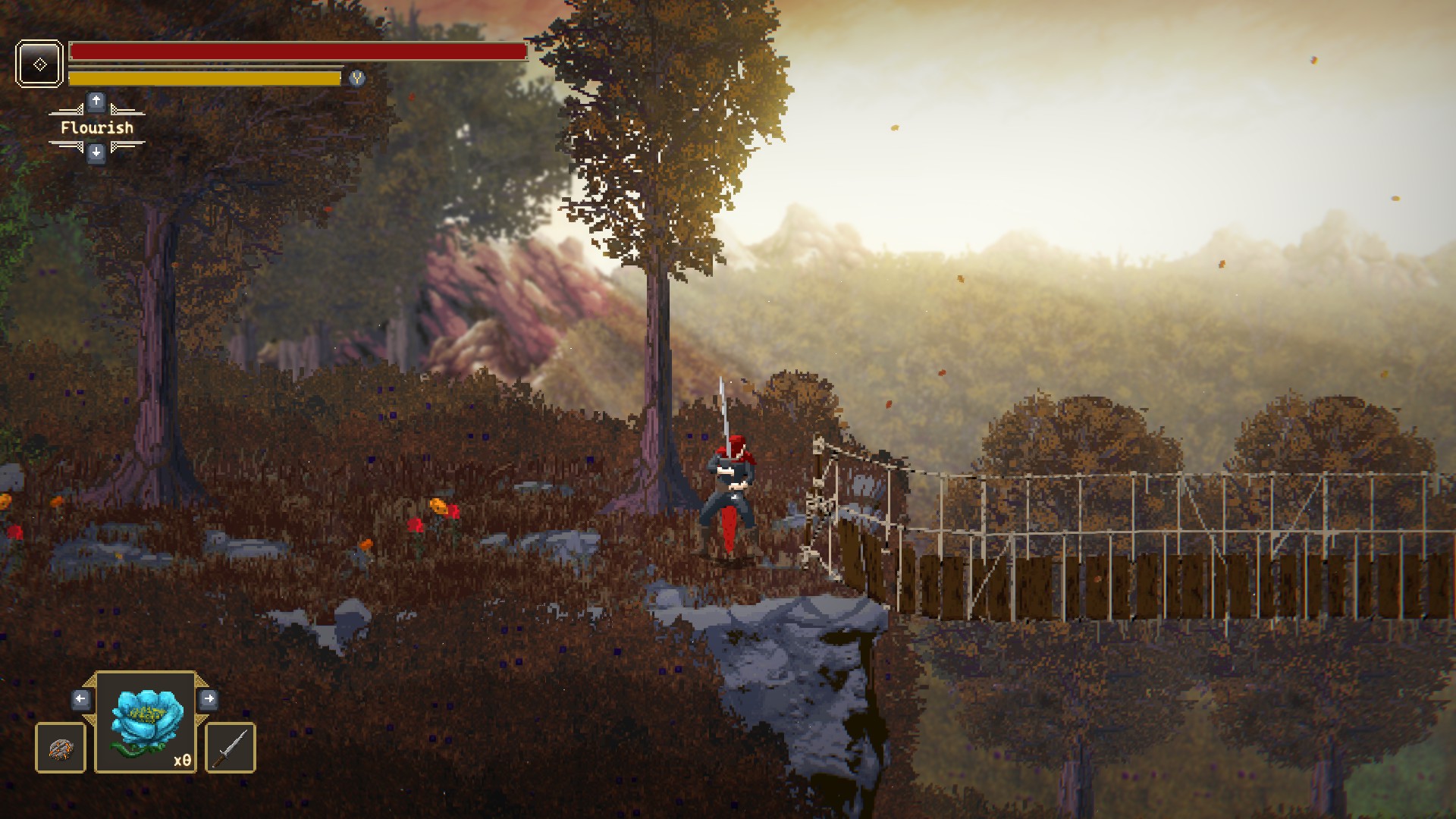
Crimson Capes certainly doesn’t have the highest production value, and the story is about what you’d expect within the first 5 minutes, but none of that stops the second-to-second combat decisions pulling you in. Something as subtle as being able to stab instead of slash with your greatsword from a certain stance can change how you play, and change which enemies cause you the most trouble.
Crimson Capes is available on PC, with no console release as of yet
9. Grime 2 – Hands, Hands, Hands
I should clarify there is more to Grime 2 than hands, but they really do love them. Everything from background art to cutscenes to enemy designs are even some weapons are all based around hands. Just like Grime 1, they certainly set a distinct visual and thematic identity here with the sequel.
In terms of gameplay Grime 2 doubles-down on aggression. Being able to tear pieces off of enemies was a key mechanic in Grime 1’s parry puzzle bosses, and in Grime 2 you’ll also be extracting Breath from them too. Breath is used to heal, which means you’re constantly having to engage in fights to heal up from the last one. Bosses have breakpoints on their HP bar which, generously, provide Breath as well.
Other than this rally-adjacent system, Grime 2 is more Grime. Weapon options, parry-centric, souls-y style checkpoints and respawns (and NPC questlines) are all present. The playtime is inflated somewhat from Grime 1, with the sequel reaching as high as 30 hours for many players. During that time expect your smattering of backtracking and combat gauntlets like any self-respecting modern Metroidvania.
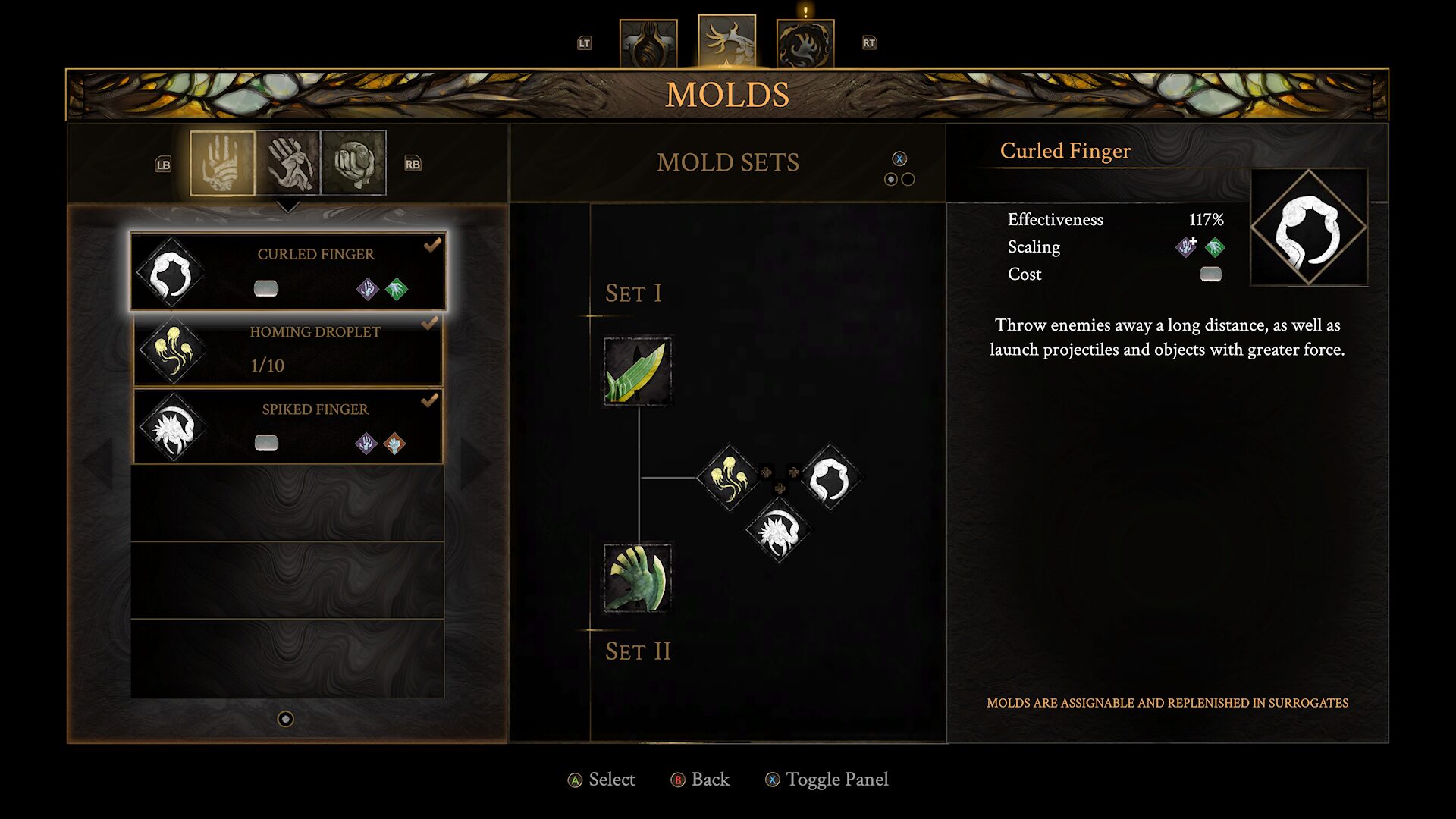
Prey Molds make sure you have gameplay variety all the way through, providing new attacks and consumables based on the enemies you’ve killed. Prey Molds allow RNG to help diversify playthroughs and expand your build options, with our reviewer gushing that “one of the most satisfying early game moments I can recall was getting a Prey Mold that pushes enemies from one beast, then instantly turning around and summoning it, throwing their friend into a bed of spikes.”
Grime 2 is available on PC as well as PlayStation and XBOX consoles
10. Ori and the Blind Forest – Treetops, Tails, Tears
Ori and the Blind Forest contains what is, to this day, one of the finest timed platforming segments in gaming (escaping the overflowing Ginso tree). That’s in no small part due to the beautiful score, but also owes a lot of its success to the visual art and player movement as well.
Ori and the Will of the Wisps takes that core identity and adds in diverse combat options, attack styles, ranged abilities and of course more traversal challenges to make an equally beautiful but substantially more brutal Metroidvania. Both games are fantastic but the first remains a tighter, more dedicated experience with a focus on removing bloat. The second, while still a blast to play, does suffer from sequel inflation to some degree. Will of the Wisps is closer to the other games on this list, but that’s exactly why Blind Forest is, to many, a more definitive experience.
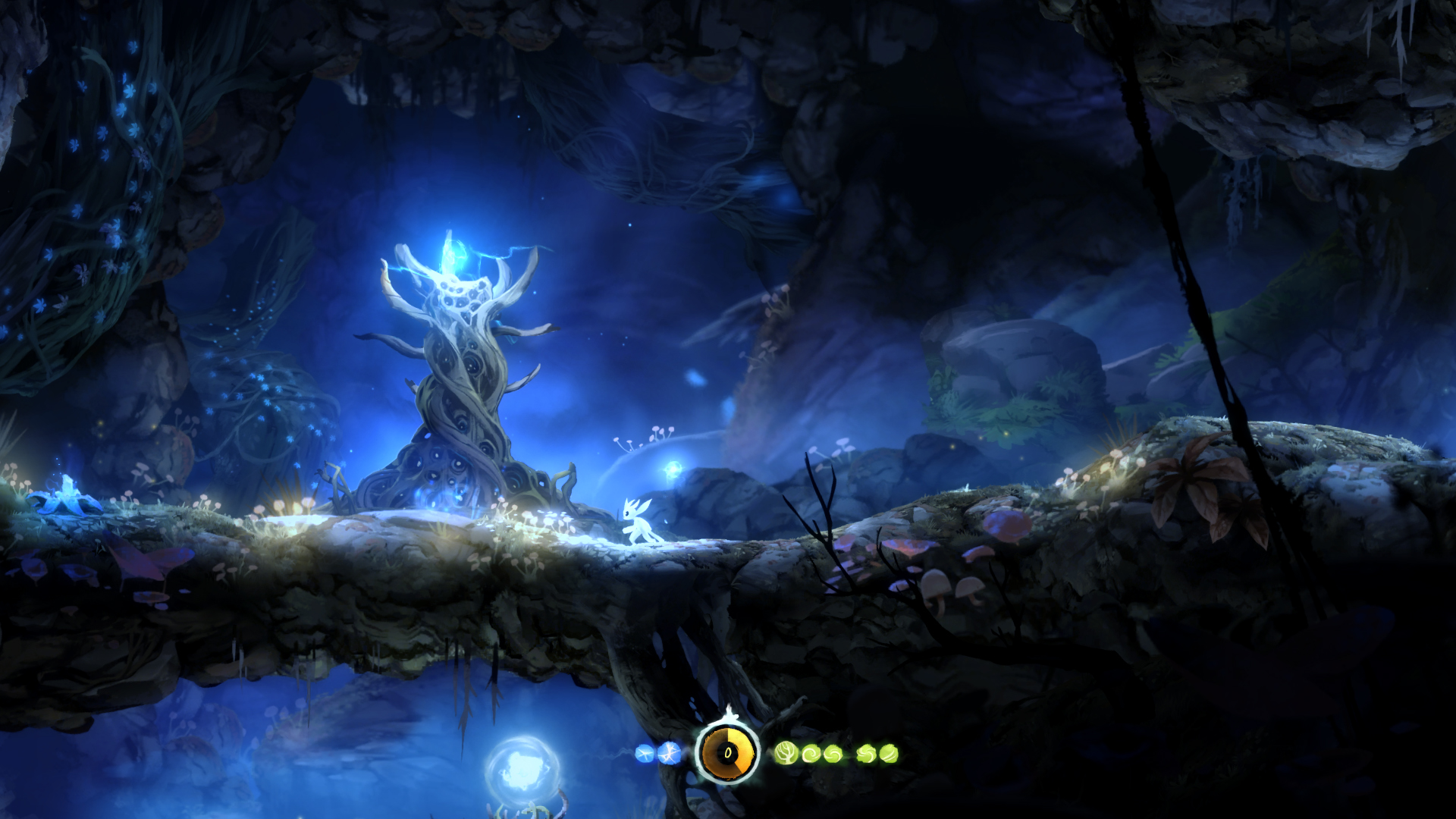
If you haven’t played at least far enough to escape the Ginso tree, I urge you to go back and give Ori a shot — particularly if you don’t get on with the RPG-ification of some modern Metroidvanias and want something more authentic to the genre.
Ori and The Blind Forest is available on PC as well as PlayStation, XBOX and Nintendo Switch consoles
Honourable Mentions
As always with a top 10, it’s impossible to feel that something important hasn’t been left out! This list encapsulates the huge variety in gameplay style and production-value that permeates the Metroidvania scene, and all of the games here succeed in doing what they specifically set out to do.
Alongside them stands titles like Guacamelee 2, The Messenger, Ender Lilies, Salt and Sanctuary, Bloodstained and many more. These games all have their own spin on the genre, and are worth checking out in their own right. Our top 10 showcase what the genre can be, but if you have already fallen for the Indie Metroidvania scene then there’s plenty more to play!
