

Kingdomino on iOS is a digital adaptation that feels both faithful and familiar to me, mainly because I’ve had a particular fondness for this game ever since playing it with my girls when they were very young. Seeing it now on a tablet and iPhone brings back those memories of us puzzling over tile placement together, but with the added convenience of being able to play anywhere, anytime.
The app captures the essence of Bruno Cathala’s award-winning design and adds bold, beautiful visual flair. Players simply draft domino-style tiles featuring forests, seas and so on, and then arrange them into a 5×5 kingdom grid, scoring points based on a simple equation of number of connected spaces of a given terrain multiplied by how many crowns are printed on those spaces.
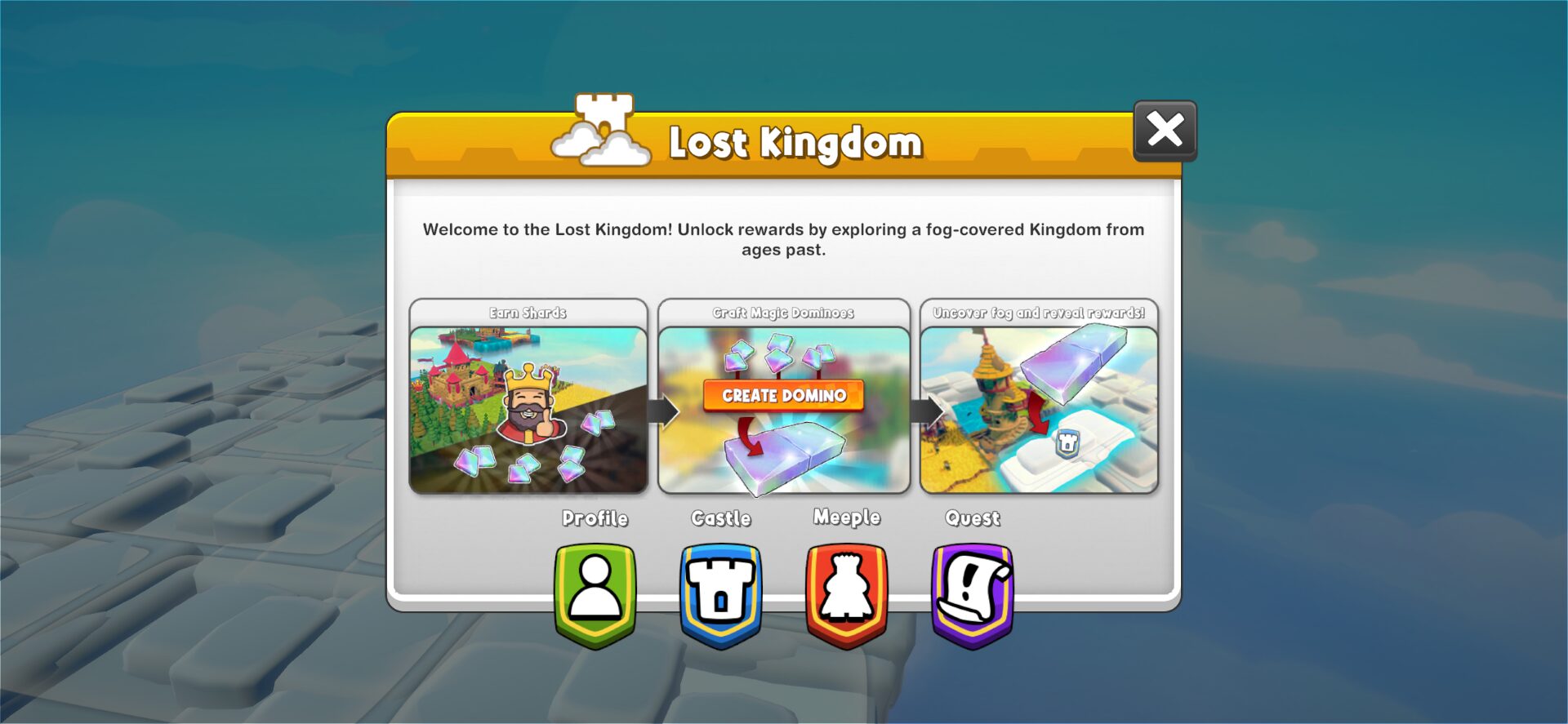
On iOS, this puzzle translates in a simple, beautiful way. Dragging and dropping tiles with touch controls feels completely natural, and the whimsical medieval artwork retains its charm even on smaller screens. The interface is clean, intuitive, and quick to respond, which makes it easy to focus on the fun rather than the fiddly details.
One of the joys of the digital version is how it streamlines the experience. Scoring is automatic, so there’s no need to tally crowns or double-check terrain chains — something that makes it perfect for casual play with kids or for squeezing in a quick game on the go. That said, when I look back at my time with the original Kingdomino, I am also reminded of how well it worked as a tool for teaching simple mathematics, so take from that feature what you will.

Kingdomino has a built-in tutorial so new players can learn easily, and the app offers multiple modes: solo against AI, pass-and-play for family sessions, and online multiplayer for broader competition. It’s flexible enough to suit both quiet solo play and lively family gatherings. It’s a simple game in all its forms though, and I will say that Kingdomino, (along with other simple board game adaptations) does start to show its limits in digital formats where so much more “behind the scenes” processing is possible in a more complex game.
Performance is smooth across all devices I tested it on. On iPad, the larger screen gives you a spacious view of your growing kingdom, while on iPhone the app cleverly adjusts layouts to keep everything clear and accessible. Games save mid-session, so you can pause and return later — handy when life interrupts, as it often does. I was a bit disappointed to find that app-sharing didn’t work, so my desire to play multiplayer with my kids on their own devices didn’t seem to work out.
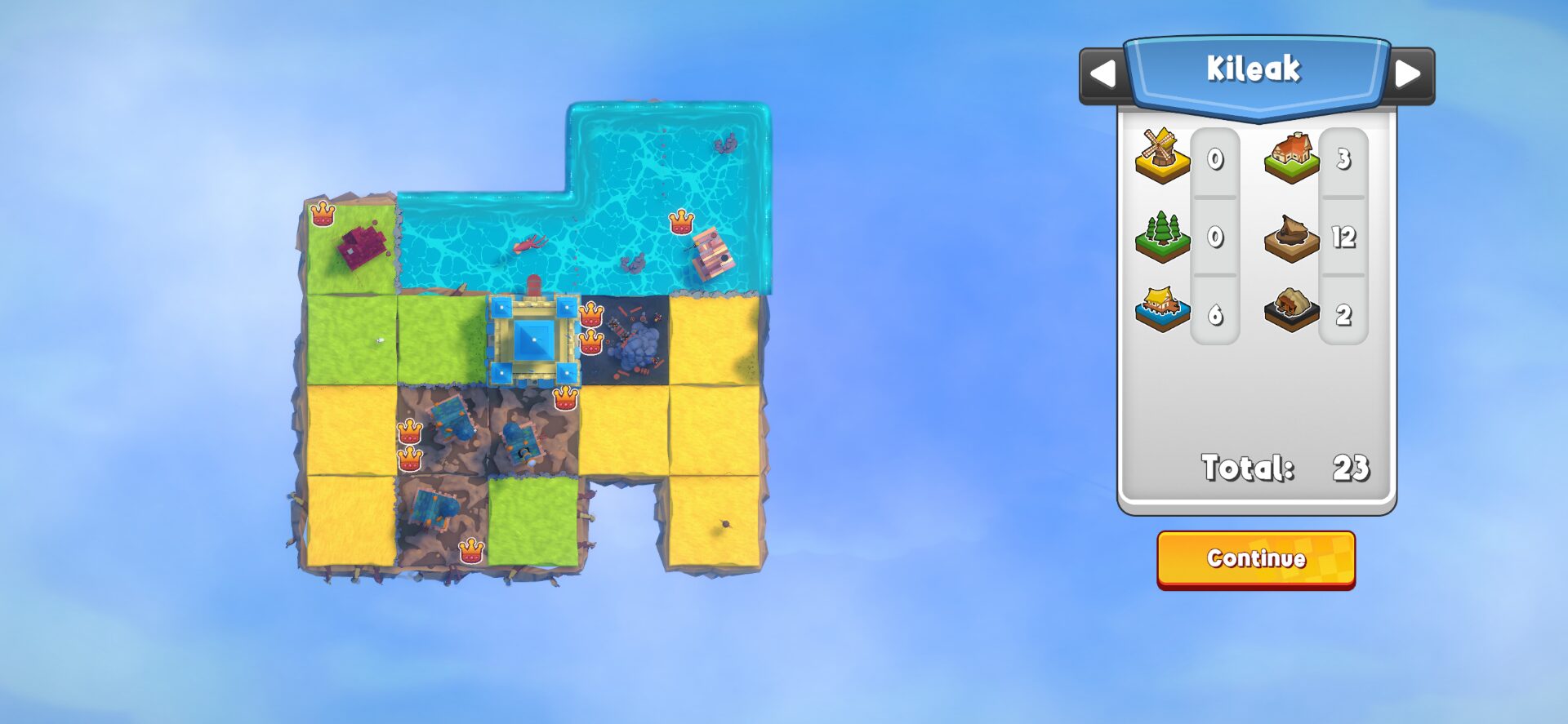
Replayability remains strong. The random tile draws and varied strategies ensure that no two kingdoms feel alike, and the digital format makes it easy to play several rounds in very quick succession. For me, it’s not just about optimization or chasing high scores — it’s about the nostalgia of a game that has been part of my family’s gaming journey, now available in a format that lets me revisit it whenever I like.
Final verdict: Kingdomino on iOS is more than just a faithful port — it’s a way to carry a beloved family game into everyday life. It’s quick, charming, and perfectly suited to mobile play, whether you’re filling a few minutes on your phone or enjoying a longer session on your tablet. For me, it’s a reminder of those early gaming moments with my girls, now wrapped in a polished digital package that makes it easier than ever to keep building kingdoms together.
Kingdomino is available now on the AppStore.
