

Disciples: Domination on Xbox is a daunting, systems‑heavy strategy RPG that feels like a direct response to both the strengths and criticisms of Disciples: Liberation. Set in the grimdark world of Nevendaar, it picks up years after Liberation’s events and puts you back in the role of Avyanna, now a ruler rather than a rebel, trying to hold together a fragile realm while every faction around her sharpens its knives. It’s still a turn‑based, grid‑based tactics game at its core, but Domination leans harder into long‑term planning, faction management, and city-building (of a soft) than the previous entry.
Structurally, Disciples: Domination splits into two main layers and then a third supporting “base building” kind of bit. Of these, the two main elements revolve around exploring the overworld and fighting in numerous tactical battles. On the overworld, you move Avyanna around large maps, capturing resource nodes, recruiting units, triggering quests, and making choices that affect your standing with the game’s major factions.
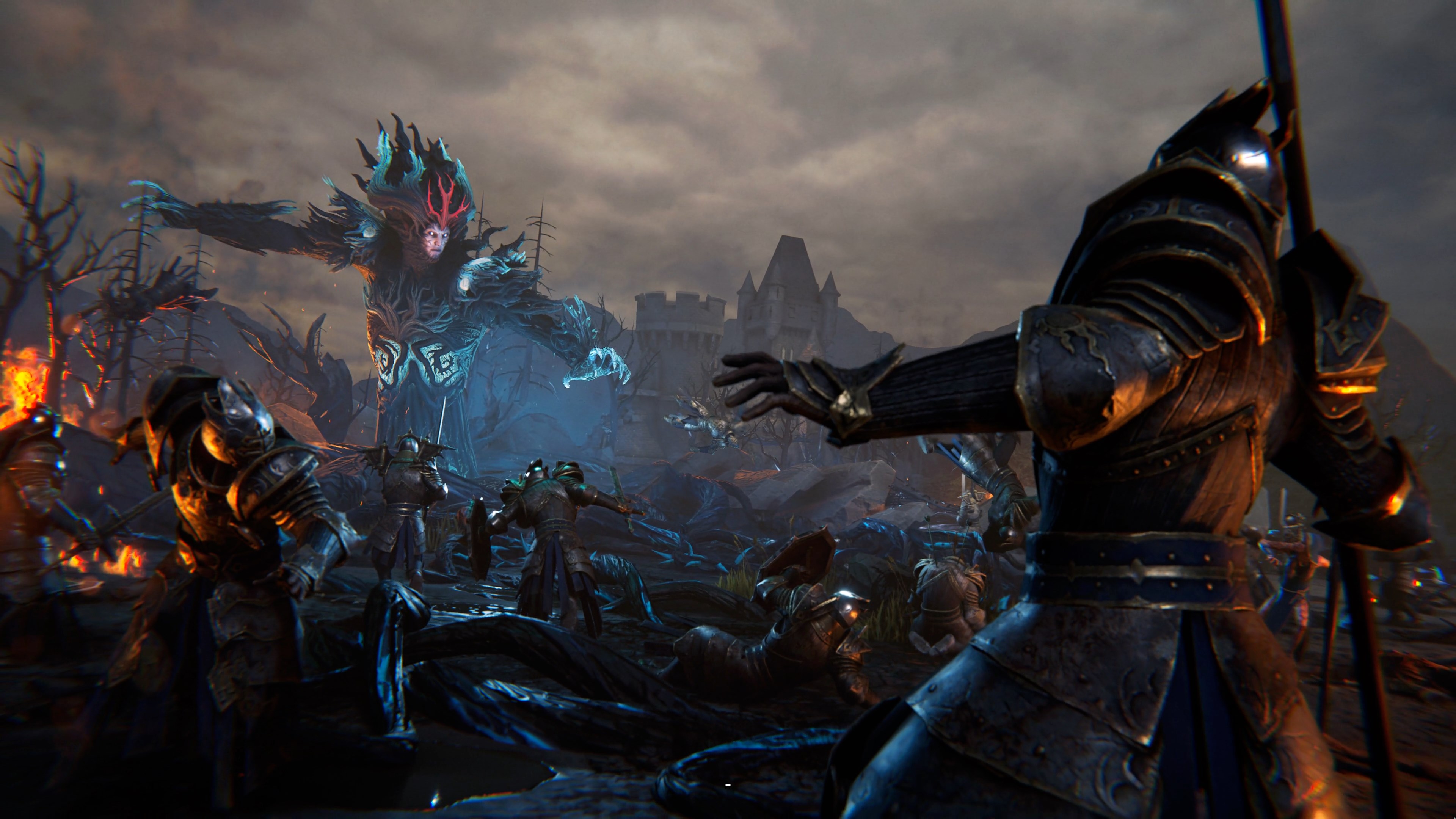
This layer feels closer to a classic exploration strategy game with clear inspiration coming from the likes of Kings Bounty. You’re managing an economy of gold, mana, and rare resources, deciding which buildings to construct in your capital (the base building bit), and choosing which units and heroes to invest in. The capital city of Yllian acts as your hub, where you unlock new unit tiers, research upgrades, and specialise your army composition. It’s here that Disciples: Domination’s long‑term systems really live.
The tactical battles are where you feel the consequences of those decisions. Combat takes place on a hex‑based grid, with turn order determined by initiative. Each unit has a defined role — frontline bruiser, fragile damage dealer, support, crowd control, etc – and the game leans heavily into synergies between them. Positioning matters enormously: flanking, line‑of‑sight, and zone control all influence how effective character abilities are.
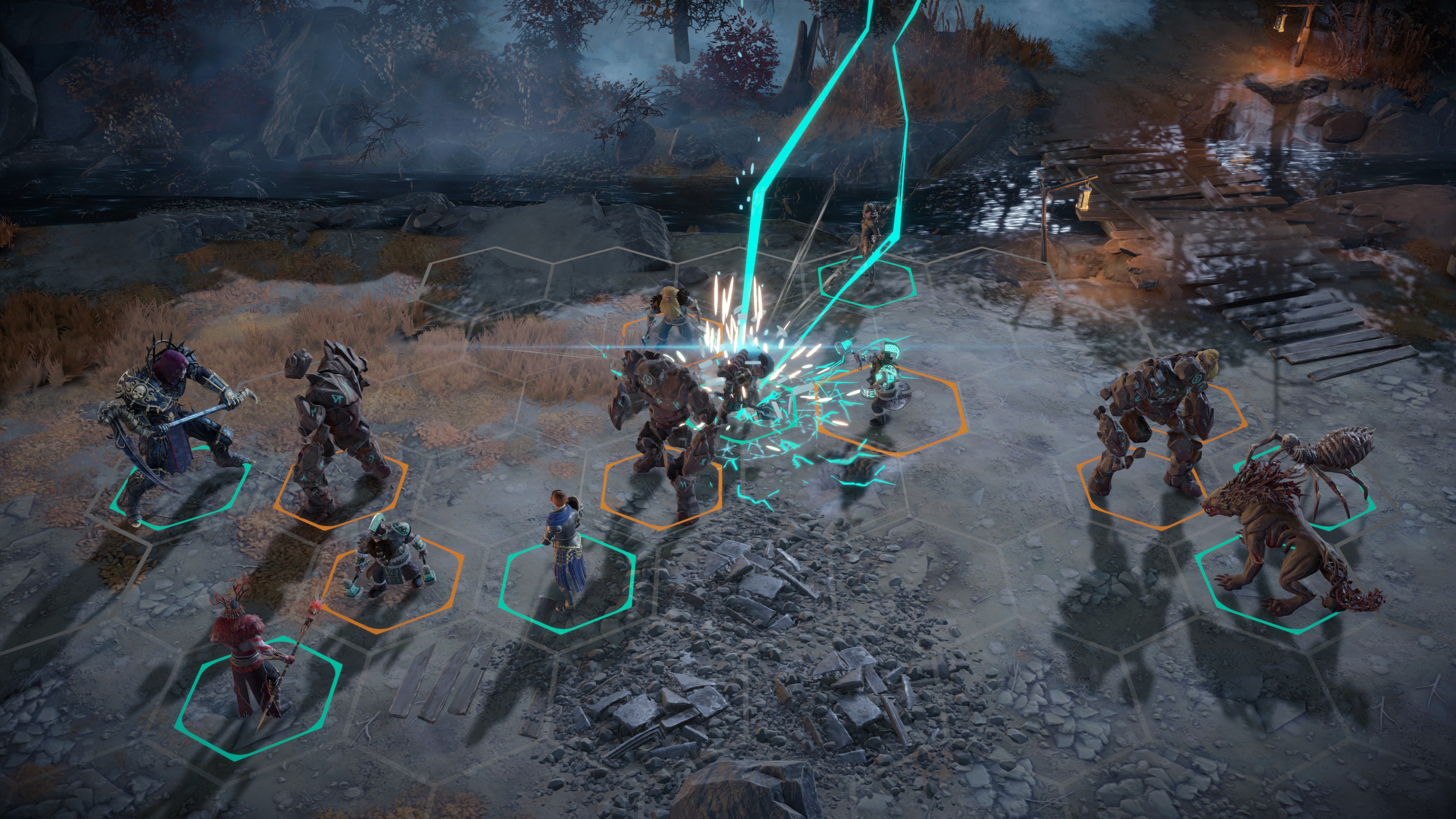
Many skills apply status effects — bleeds, debuffs, stuns, shields — and the best turns are the ones where you chain these together to lock down key enemies or swing a losing engagement back in your favour. Disciples: Domination doubles down on this by expanding unit abilities and making faction‑specific synergies more pronounced, so a well‑built army feels like a coherent machine rather than a pile of stats. That said, these battles range from the hard to the too fecking hard end of the tactical battle spectrum and there is little to no hand-holding about what units you should buy or take on any given mission.
Avyanna herself is extremely customisable. Her skill trees include several clearly defined archetypes with martial, magical, and leadership‑focused paths and hybrid builds very much viable if you’re willing to plan ahead. Each level‑up gives you meaningful choices: do you invest in raw damage, battlefield control, or army‑wide buffs? Perks often interact with specific unit types or status effects, encouraging you to build a hero and an army that actually complement each other rather than just stacking generic bonuses. Gear and artefacts further refine this, adding conditional effects that reward particular playstyles — crit builds, debuff stacking, tanky frontlines, and so on.
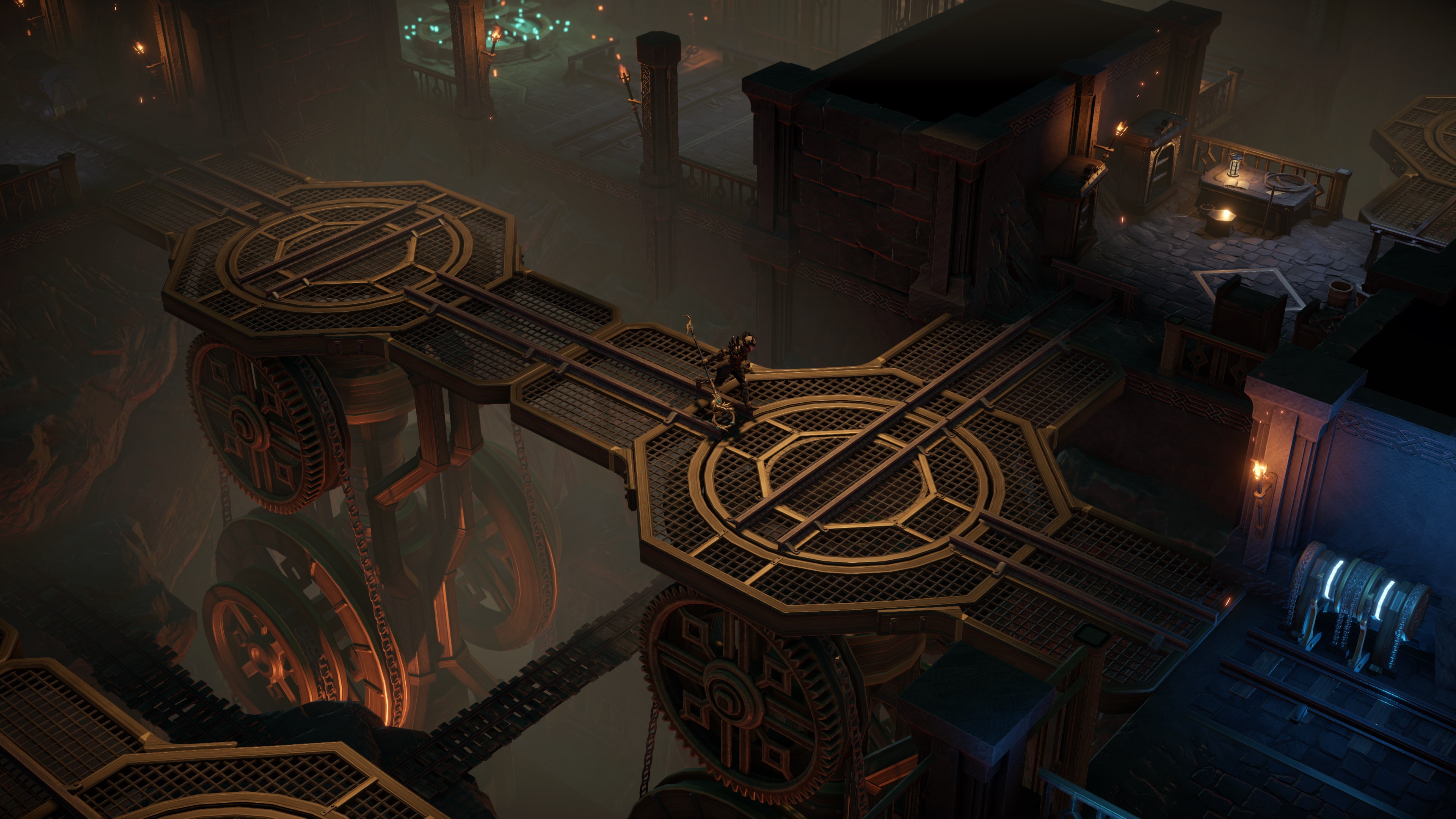
I really liked all of this customisability, with everything from army composition, base-building, Avyanna’s build and the decisions you make in your role as ruler meaning that the game plays out quite differently from one section to the next. I’ve seen far from all of it, but it’s rare for a game to feel truly different when you tackle the same battle with two different groups of units and a different main character. In Disciples: Domination, you will get that truly differentiated experience from one playthrough to the next, and at 30-40 hours, a couple of runs is easily good value for money.
Elsewhere, factions remain central to the experience. Humans, Undead, Elves, Demons, Dwarves and others all have their own unit rosters, aesthetics, and mechanical identities. Your choices in quests and story events shift your reputation with each faction, unlocking unique units, buildings, and narrative branches. Leaning hard into one faction gives you access to its most powerful toys, but at the cost of alienating others; playing the diplomat keeps more doors open but slows your access to top‑tier options. Disciples: Domination makes these reputational shifts feel more impactful than in past games from this series, with clearer mechanical payoffs and sharper narrative consequences.
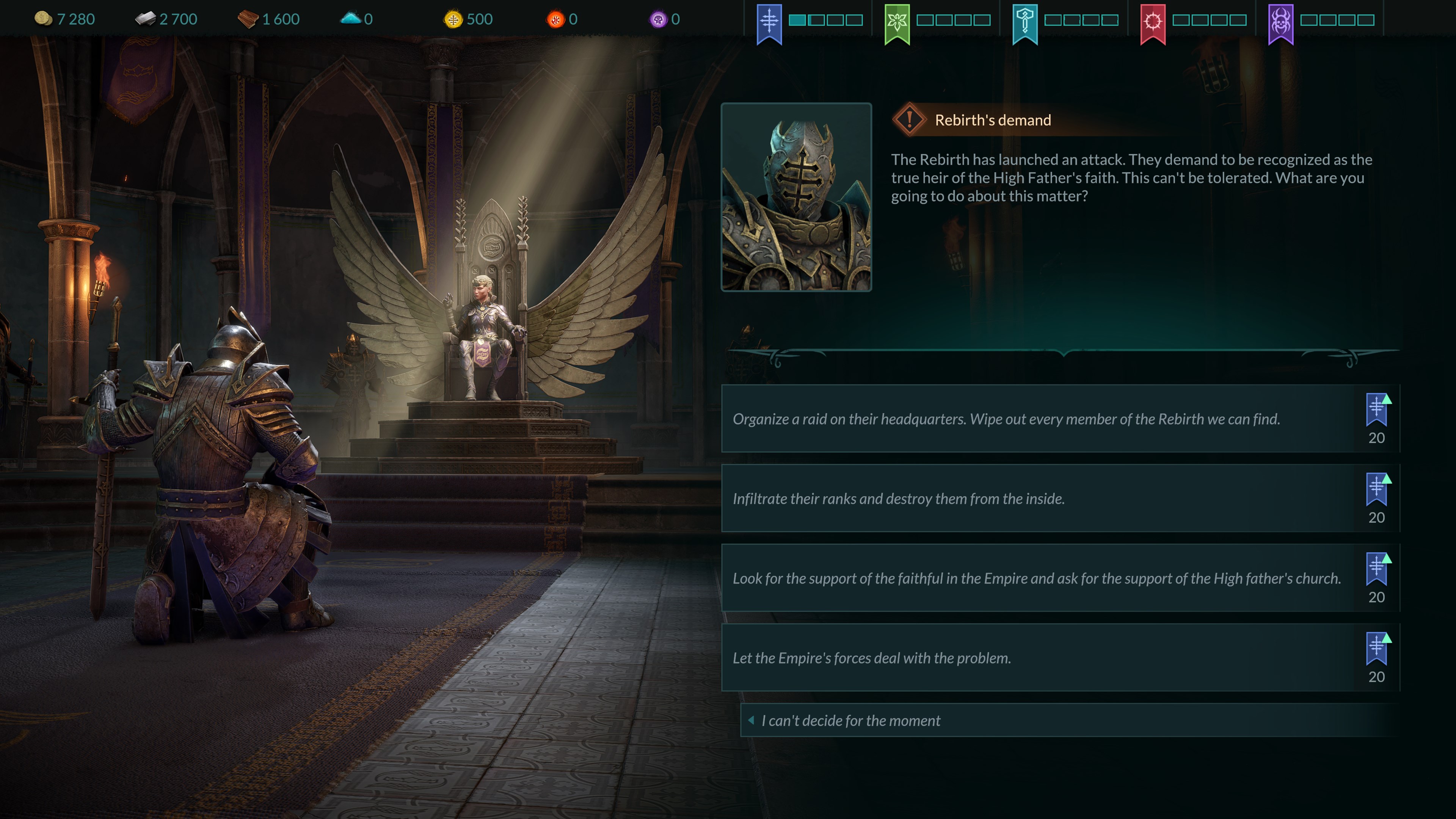
Economy and progression are deliberately demanding. Resources are finite on each map, and you can’t just recruit endlessly without thinking about upkeep and opportunity cost. Additionally, building slots in Yllian are limited, forcing you to specialise: do you push for elite units early, invest in spell research, or shore up your economy for the long haul? This creates a satisfying tension between short‑term power spikes and long‑term stability, but I was a bit frustrated not to have been given more guidance. There’s potential here to make some serious early mis-steps, and if you’re not a returning fan of the series, you almost certainly will.
On Xbox, all of this complexity is layered onto a controller‑driven interface that, while not perfect, is serviceable once you internalise its logic. Menus are dense, and there’s a lot of information to parse — unit stats, ability tooltips, terrain effects, initiative order — but the game does a reasonable job of surfacing the essentials. Tactical controls feel solid: selecting units, previewing movement and attack ranges, and cycling through abilities all map cleanly to the pad. The overworld itself is simple to ride around in, but the city management screen is cumbersome, simply because there’s so much to navigate sans mouse and keyboard. Nonetheless, you get used to it quickly enough.
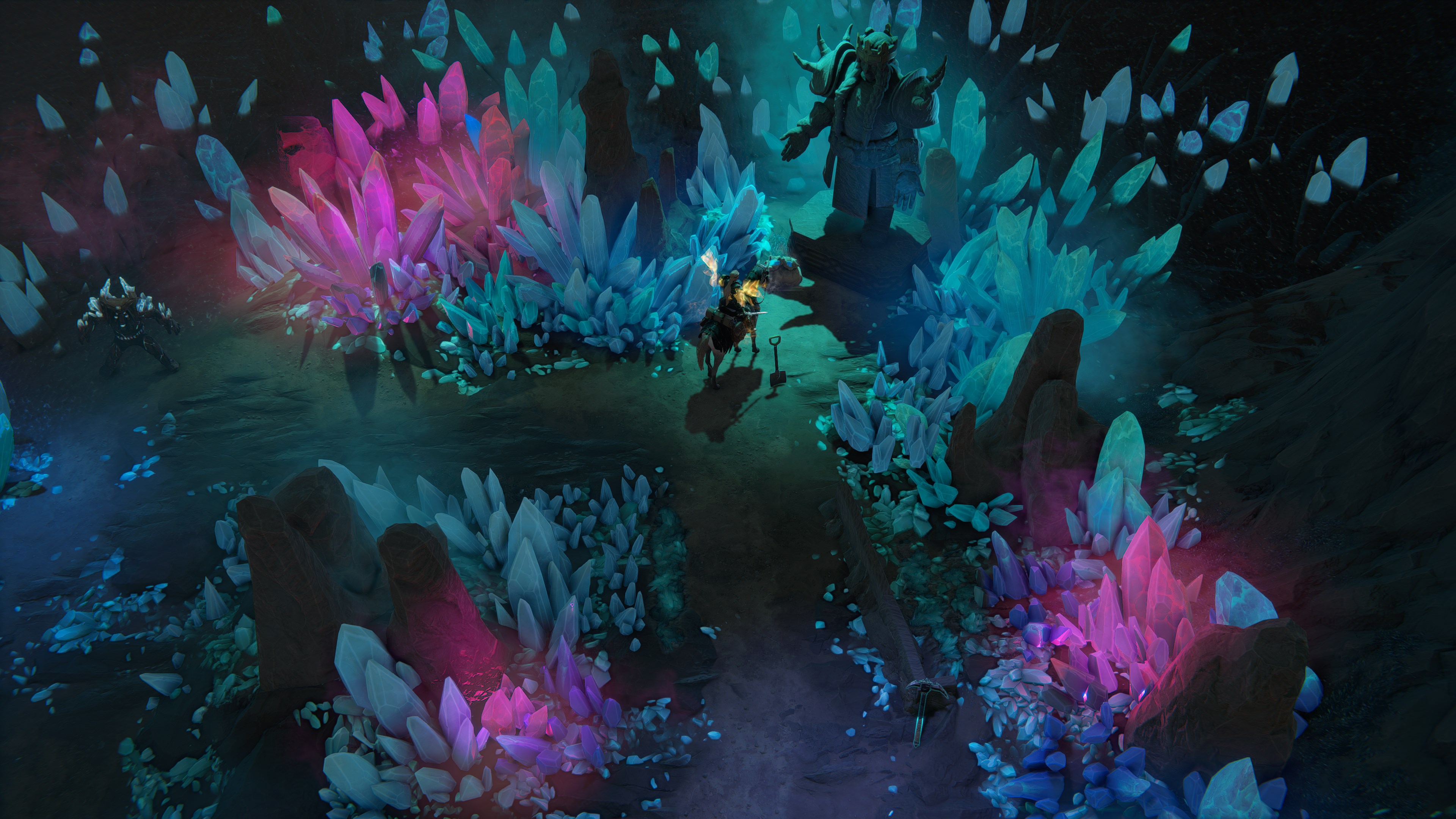
As I mentioned earlier, the difficulty in Disciples: Domination is quite relentless. In combat, enemies make good use of positioning, focus‑fire vulnerable targets, and exploit status effects in ways that feel threatening rather than scripted and you’ll often suffer a miserable amount of losses. Misplays are punished, especially on higher difficulties, and you can’t just brute‑force encounters with over‑levelled units.
This makes the underlying systems feel worthwhile: if you’ve built a synergistic army and a coherent Avyanna, you feel the payoff; if you’ve spread yourself too thin, the game will expose that pretty quickly. I suppose the message here is that Disciples: Domination is a good game for tactical RPG veterans, but between the difficulty and lack of guard-rails, newcomers or younger players might just bounce off a little bit.
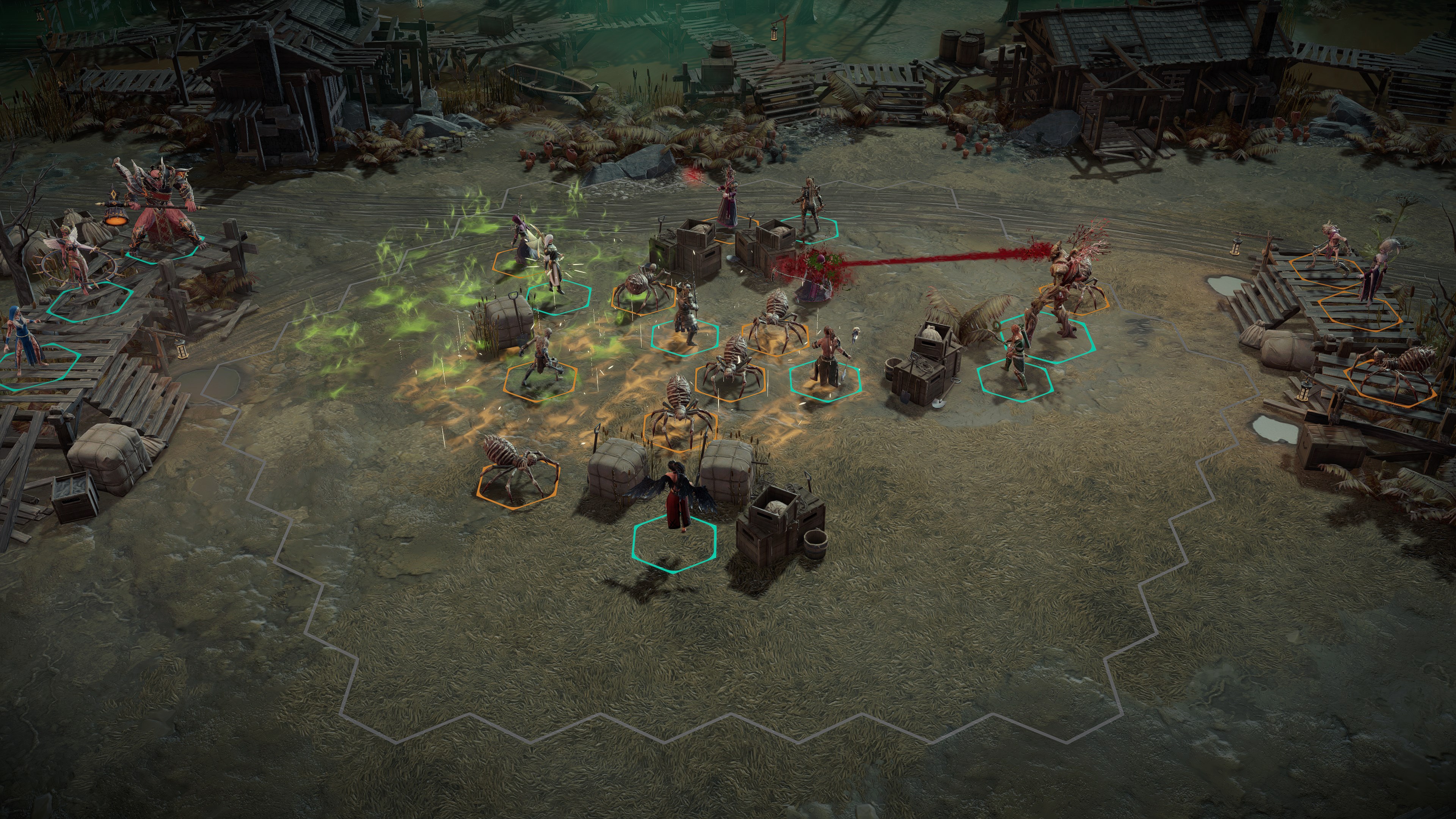
Visually, Disciples: Domination sticks to its predecessors’ dark, gothic fantasy aesthetic: ruined cathedrals, corrupted forests, demonic citadels, and bleak battlefields. It’s not pushing the hardware in the way that some modern RPGs do, but the art direction is consistent and atmospheric. Spell effects and ability animations are clear and punchy, which is crucial in a tactics game where readability makes a lot of difference. Performance on Xbox Series consoles is generally stable, with only occasional hitches during very busy battles or when loading into large maps.
Narratively, the game continues the melodrama of previous iterations and the genre in general with gods, heretics, zealots, and monsters all vying for control of a world that always feels one step away from collapse. There’s a sense that Avayanna is doing a terrible job as ruler, but gets away with it because at least she means well, and because it’s unlikely anyone else actually wants the job anyway. Choices in dialogue and quests are often “bad” or “worse” and feed back into both faction reputation and ending variations, giving you a genuine sense that your version of Avyanna is carving a particular path through the chaos, even if there’s rarely a perfect choice.
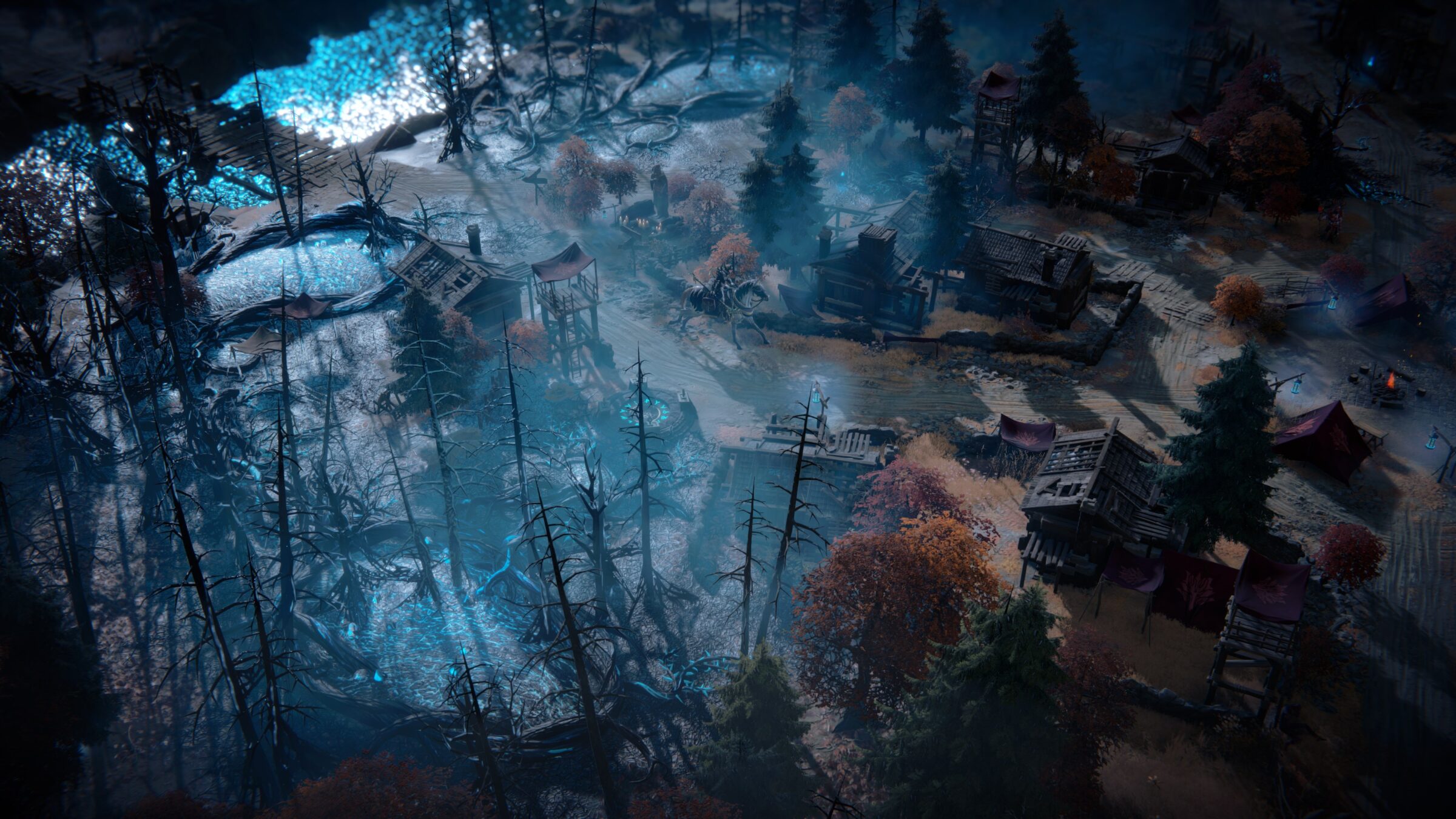
The trade‑off for all this depth (and the difficulty that I’ve already touched upon) is that Disciples: Domination is not a casual experience. It expects you to engage with its systems — army composition, skill synergies, economy, faction politics — and it doesn’t apologise for its complexity. For players who enjoy that kind of systemic density, it’s hugely rewarding. For those looking for a lighter tactics game, it will definitely feel overwhelming.
As an Xbox strategy RPG, though, it’s quite a standout experience. The tactical combat is rich, the progression systems are interlocking and meaningful, and the campaign offers a huge amount of content with real build diversity and replay value. If you’re willing to invest the time to learn how its pieces fit together, Disciples: Domination offers a deep, satisfying, and unapologetically crunchy take on dark‑fantasy tactics.
Disicples: Domination is available now for PC, Mac, Xbox Series X/S & PS5.
