

Lord of the Rings: War in the North – Legacy Edition on Xbox One gave me a stark reminder that some games simply arrive at the wrong moment. Once dismissed as a clumsy, uneven action‑RPG in an era overflowing with genre‑defining blockbusters, it now feels strangely compelling — a bruising, earnest adventure that has aged into something far more enjoyable than its reputation ever made me feel it would.
When War in the North first launched in 2011, the gaming landscape was saturated with prestige. That single year gave us Skyrim, Dark Souls, Batman: Arkham City, The Witcher 2, Portal 2, Uncharted 3, Gears of War 3, Deus Ex: Human Revolution, and Saints Row: The Third — a bumper year even if not all of those were your thing. In that context, War in the North looked modest or even crude by comparison. Its combat felt repetitive, its presentation uneven, and its technical issues were impossible to ignore. Critics were blunt in their feedback and players moved on quickly. It wasn’t that the game was terrible; it was simply outclassed by giants, and even the (overused at the time) Lord of the Rings IP couldn’t save it.
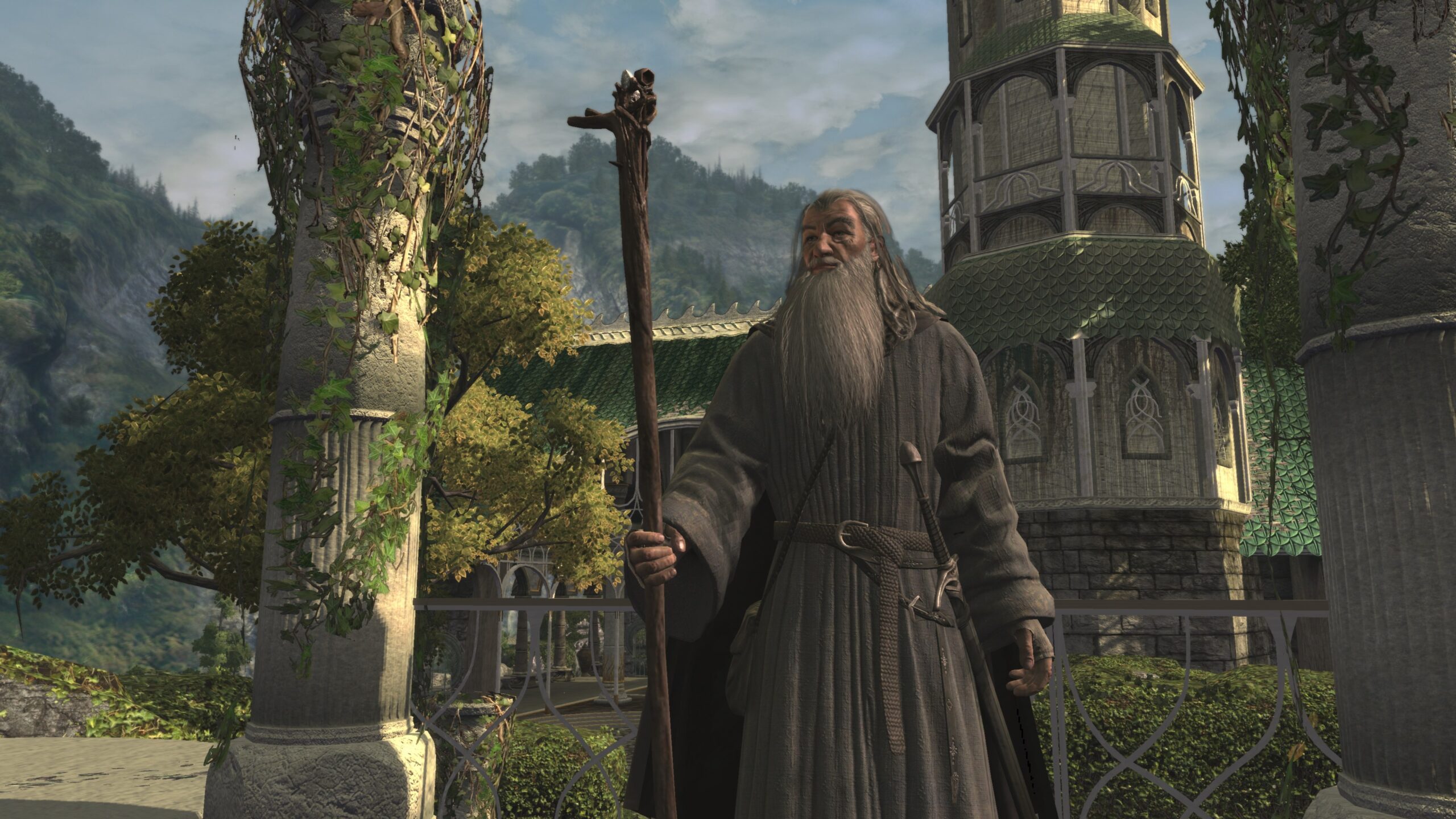
But revisiting it now — especially in the Legacy Edition, which stabilises performance and improves the game for modern hardware — reveals a very different experience. With the benefit of distance, War in the North feels like a lost relic from a time when mid‑budget action‑RPGs were plentiful, experimental, and unafraid to be rough around the edges. In a modern landscape dominated by live‑service grinds, roguelite loops, and sprawling open worlds, its straightforward structure is refreshing. It’s a linear, couch co‑op‑friendly adventure with chunky combat, earnest storytelling, and a focus on character progression rather than endless systems.
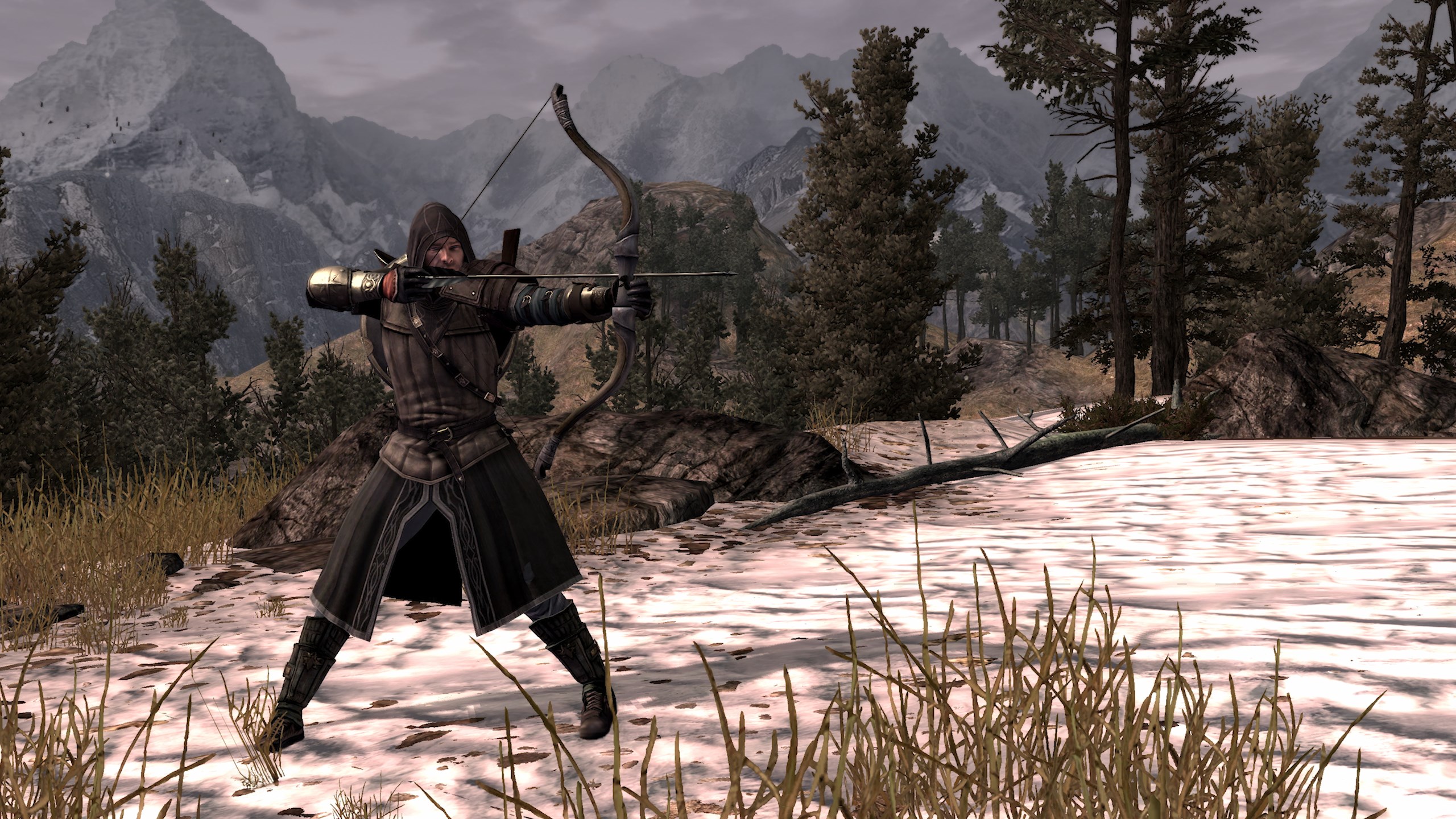
The game’s biggest strength is its tone. Rather than retreading the Fellowship’s journey, War in the North explores a parallel conflict — a desperate struggle against Agandaur, one of Sauron’s lieutenants. This gives it room to breathe, letting it explore corners of Middle‑earth that feel familiar yet distinct. The snowy fortresses, ruined strongholds and windswept wildernesses have a grounded and almost tabletop‑like charm. It’s Middle‑earth seen from the trenches rather than the mountaintops and its characters and locations carve their own path.
Combat, once criticised for repetition, now feels satisfyingly weighty. The trio of playable characters — Eradan the Ranger, Andriel the Loremaster, and Farin the Champion — offer genuinely different options for character building. The Ranger’s versatility, the Loremaster’s support magic, and the Champion’s brutal melee skills all complement each other, especially in co‑op. What once felt simplistic now feels comfortingly direct: you fight, you loot, you upgrade, and you push forward. There’s no bloated crafting system, no convoluted skill trees and crucially, no exhaustive list of open-world junk to grind through.
The Legacy Edition’s improvements help enormously. Performance is smoother, crashes are rarer, and the game simply feels better to play. It’s still unmistakably a product of its time — animations are stiff, environments occasionally sparse, and enemy encounters can blur together a little bit, but it’s a game that knows exactly what it is: a pulpy, earnest action‑RPG set in Middle‑earth, built for co‑op and driven by momentum.
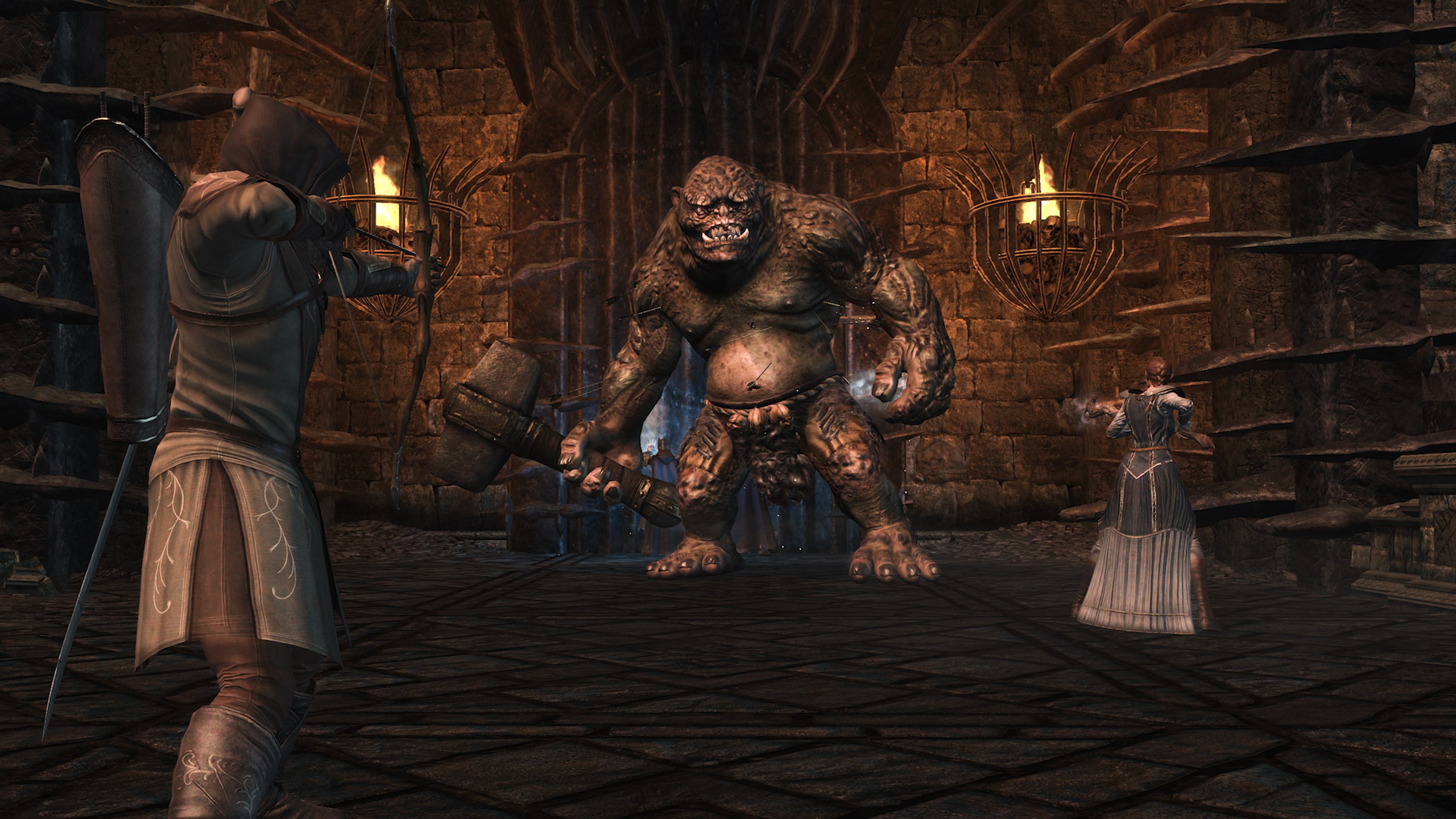
What’s most surprising is how engrossing War in the North becomes once you settle into its rhythm. The campaign is long enough to feel substantial but short enough to avoid fatigue. The loot cycle is Diablo II levels of simple, and yet it’s even more satisfying for its immediacy. The story, while not groundbreaking, is sincere and respectful of Tolkien’s world. And the co‑op — always the game’s secret weapon — remains excellent. Few modern titles offer this kind of drop‑in, narrative‑driven co‑operative adventure without leaning on procedural generation or endless grind.
I’ve mentioned co-op play a few times now and whilst this was one of the highlights of the original release, it now seems an even more powerful inclusion. The ability to sit beside a friend or family member to deliver Sauron’s armies a righteous smackdown on a seamless, split-screen console game is something so rare these days that it has to be called out as a massive plus. All my kids have loved their time in Middle Earth, and watching them work together to defeat tough boss encounters almost brings a tear to my eye.
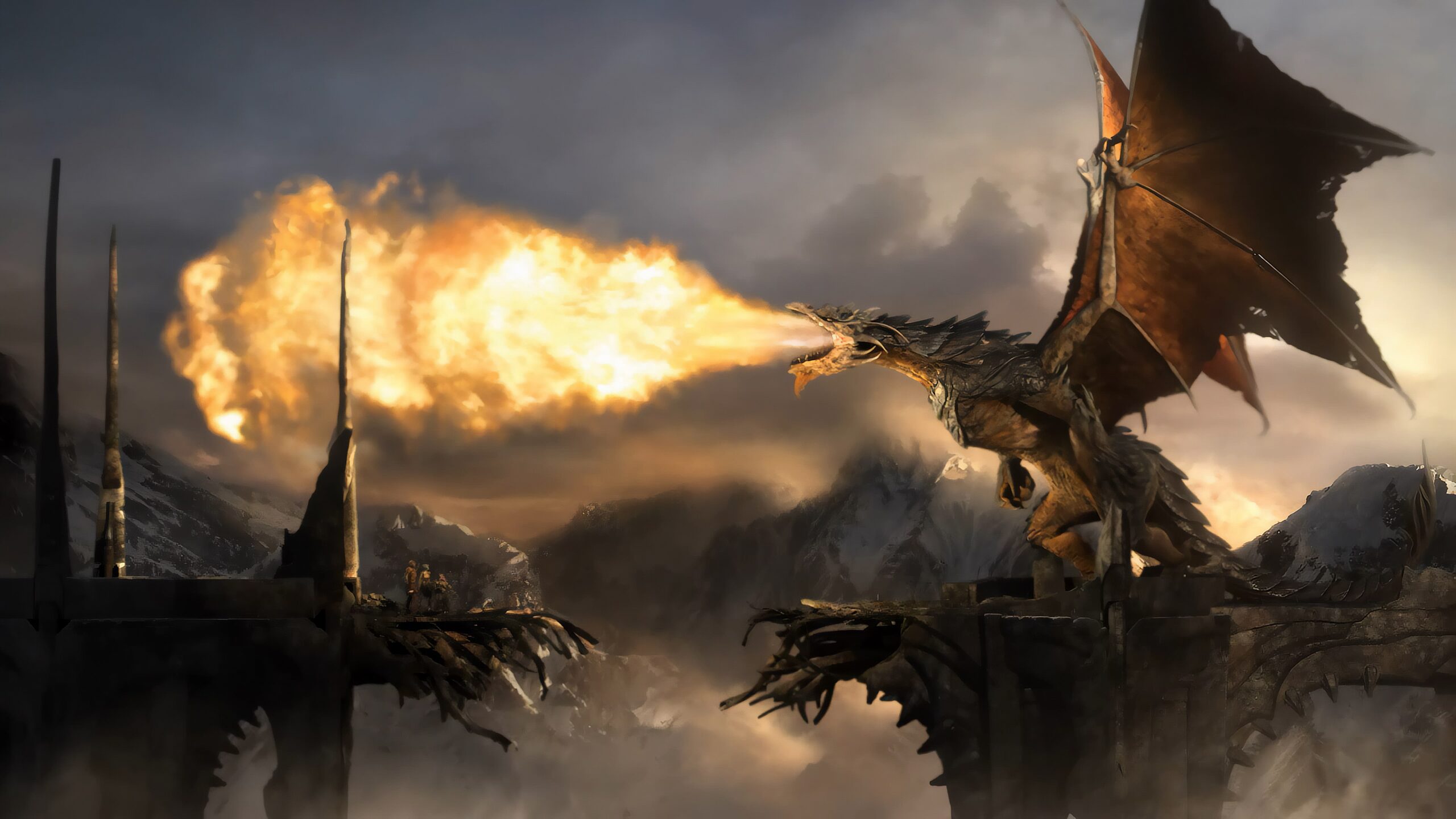
In hindsight, War in the North was a victim of timing. Released during a golden age of genre‑defining masterpieces, it never had a chance to stand out. But in 2026, revisiting it through the Legacy Edition feels almost nostalgic — a reminder of a time when mid‑budget fantasy action games were plentiful, and when a licensed title could be ambitious without being smothered by expectations.
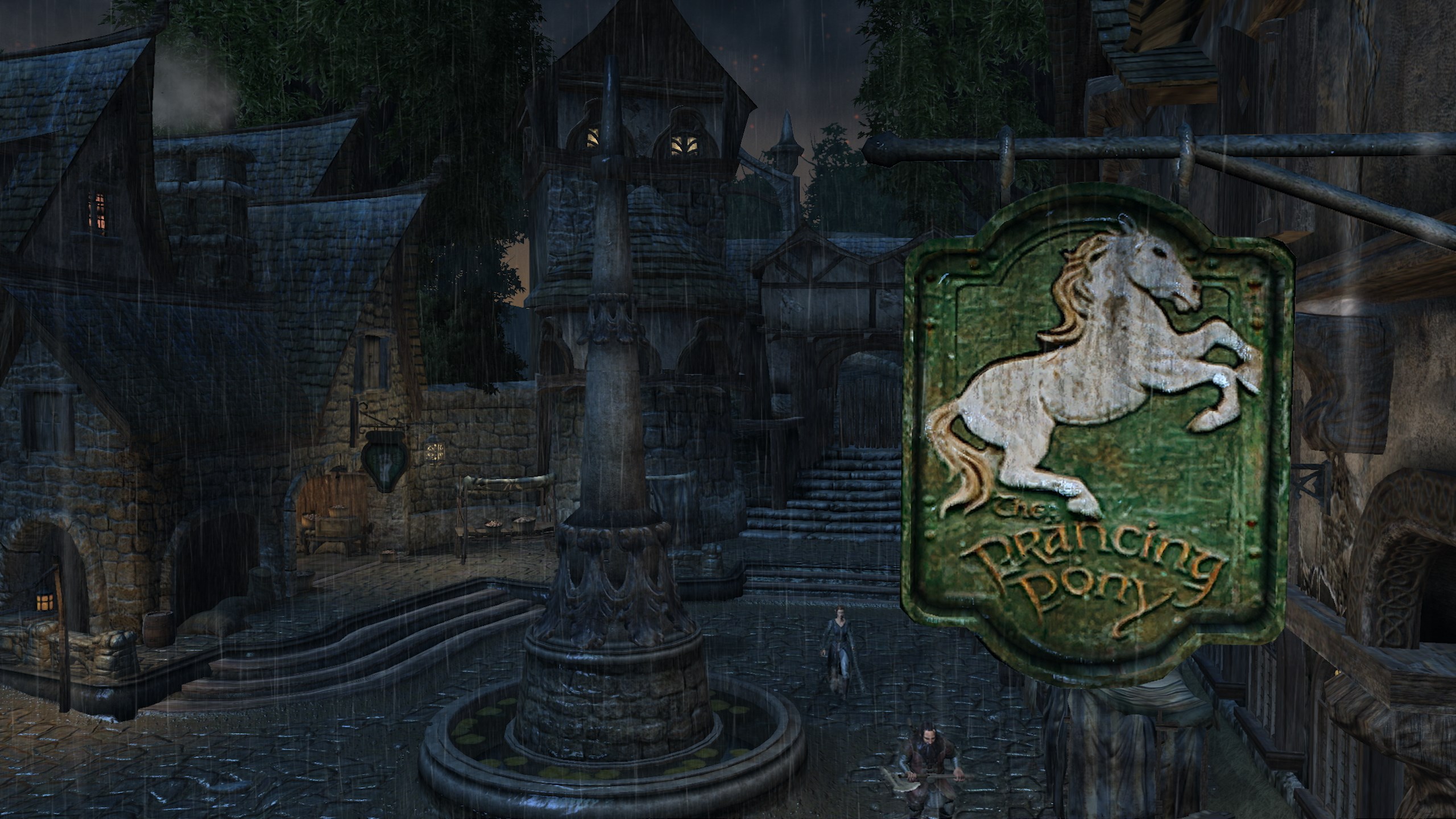
It’s still flawed, of course. Some encounters drag on a bit and the use of shades of brown is a bit too liberal across almost every location which can lead to tedium. The story is serviceable but not brilliant and the visuals show their age a little. Nonetheless, those flaws now feel like part of the texture rather than deal‑breakers. In a gaming landscape where big budget, linear action‑RPGs have become rare, War in the North feels like a familiar, pleasantly warm and slightly scruffy comfort blanket.
Lord of the Rings: War in the North – Legacy Edition is not a masterpiece, but it is a rediscovered gem — a game that shines brighter now than it ever did at launch. If you missed it the first time, or dismissed it because of its early reception, the Legacy Edition is absolutely worth your time. It’s a reminder that sometimes, a game needs a decade to be appreciated.
Lord of the Rings: War in the North is available now on PC, Xbox and PlayStation
