

Hades II is a full‑scale sequel that builds on everything Supergiant Games established in the original while expanding the structure, systems and world in almost every direction.
You play as Melinoë, daughter of Hades and sister of Zagreus, who has been raised and trained by the witch Hecate to confront Chronos, the Titan of Time, after he seizes control of the Underworld and imprisons much of her family. Hades II retains the isometric, room‑to‑room roguelike format, but almost every layer of progression, combat and narrative has been reworked or expanded compared to the original.
Each run begins in the Crossroads, a new hub that replaces the House of Hades. This area is larger and more interactive, with characters who offer training, upgrades, incantations, crafting and story progression in the form of chit-chat. From here, Melinoë descends into a sequence of regions that begin with Erebus and continue through Oceanus, the Fields of Mourning and… let’s just say beyond!
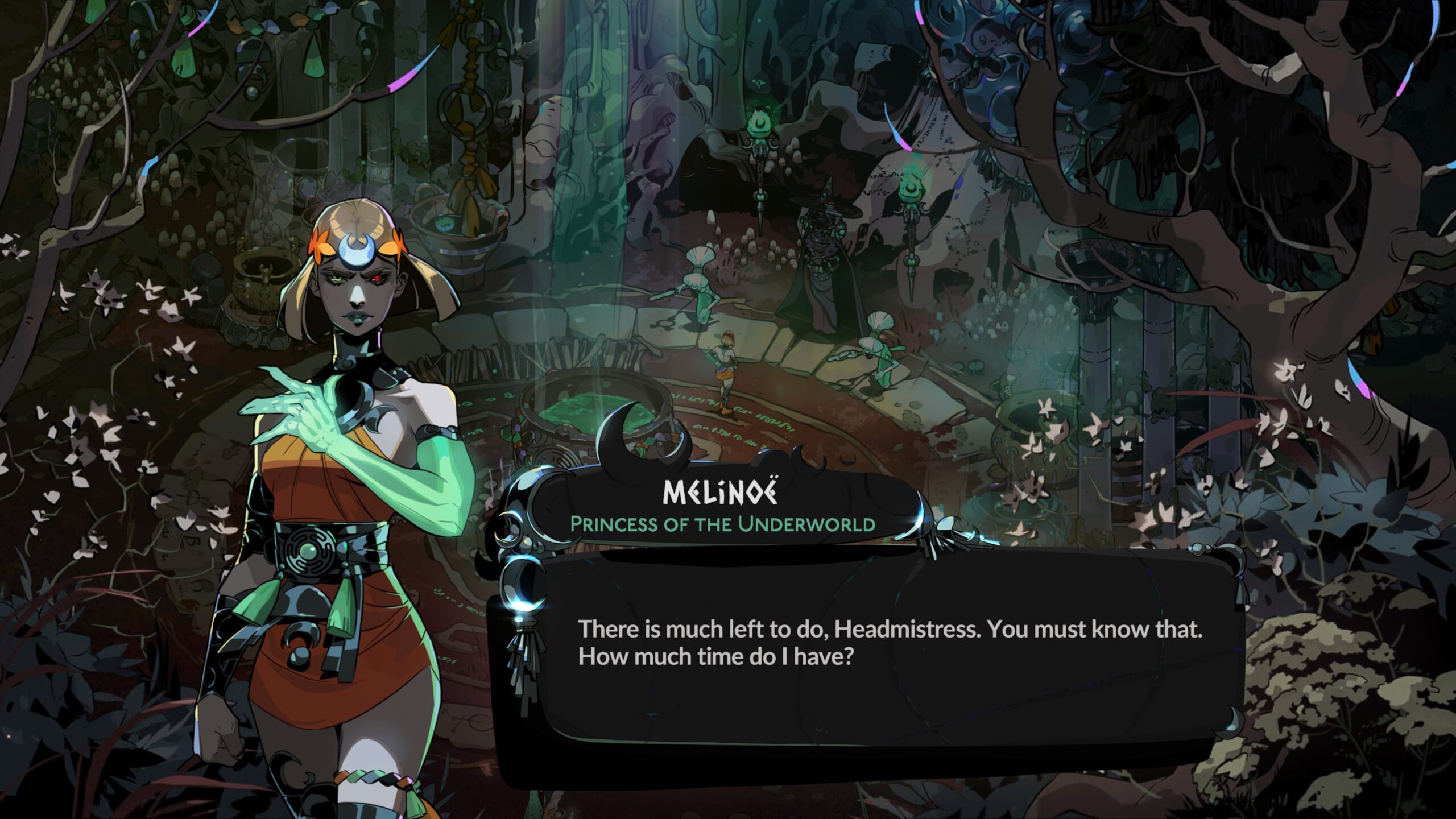
Each region consists of randomly generated chambers filled with enemies, hazards, rewards and occasional NPC encounters. You clear a room, choose your next reward based on the door icon and push forward until you either defeat the region’s boss or fall in battle. Death returns you to the Crossroads, where new dialogue, story beats and upgrades become available depending on what you saw in your last run.
Combat remains fast, responsive and built around tight arena encounters, but Melinoë plays differently from Zagreus. She has a dedicated dash, can move while attacking with many weapons and uses a regenerating magick resource to power enhanced versions of her attacks. Her arsenal consists of the Nocturnal Arms, The Sister Blades, The Moonstone Axe and several others, each of which plays very differently.. Every one of these weapons has a basic attack, a special and a powered up variant that consumes magick, and each can be further customised through Aspects and Daedalus Hammer upgrades that alter their behaviour in significant ways.
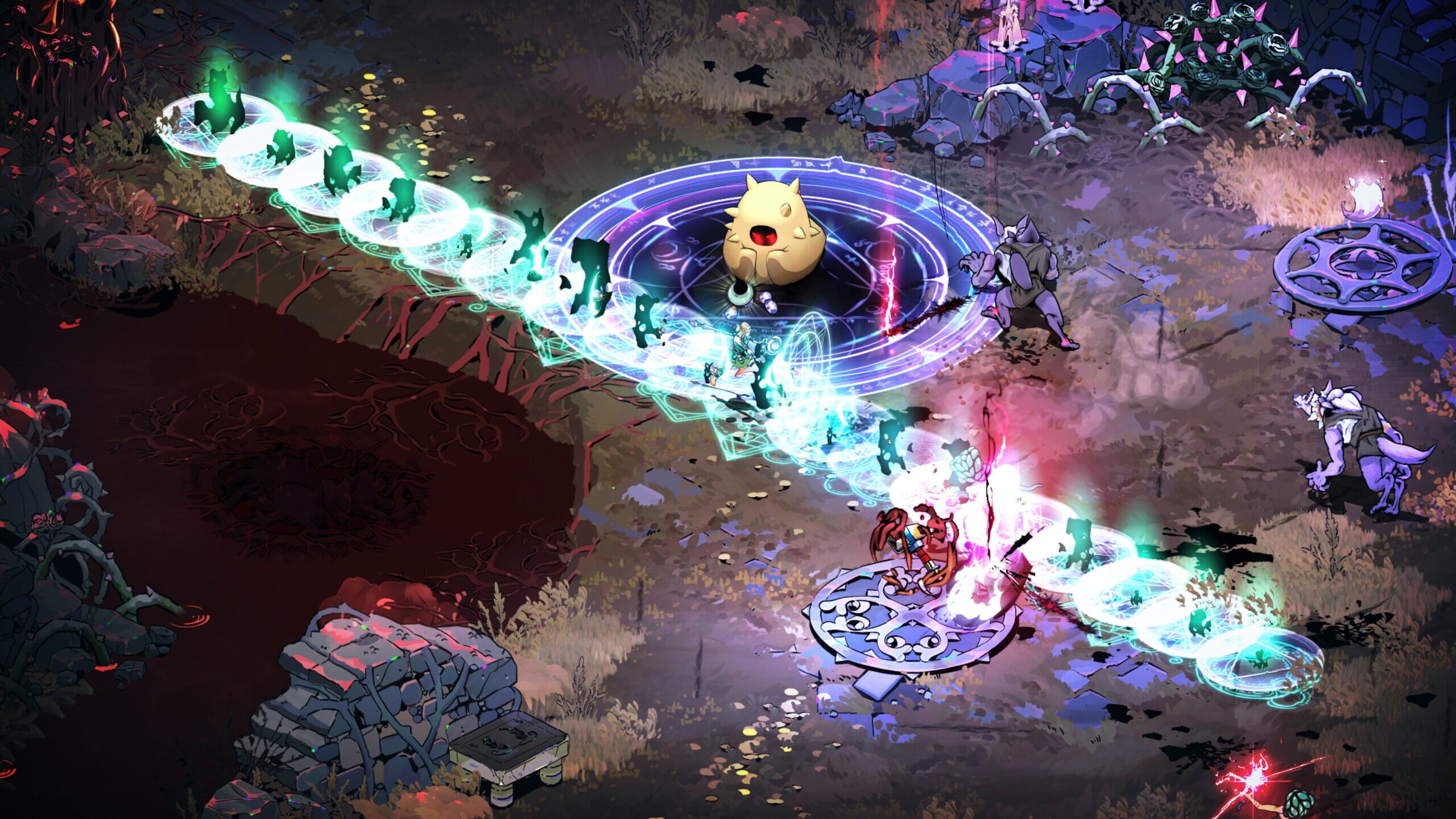
Boons from the gods remain central to buildcrafting. After clearing a chamber, you often choose between boons from Olympian gods or other divine entities. Returning gods such as Zeus, Poseidon and Hermes bring familiar effects like chain lightning, knockback and speed bonuses, while new gods such as Apollo, Hestia and Selene introduce mechanics tied to light, flame and lunar magic.
Boons modify your attack, special, cast, sprint or magick abilities and can combine into powerful Duo Boons when two gods’ effects synergise. Status effects continue to play a major role, with many boons applying or scaling off conditions such as Doom, Chill or Weak. The expanded roster of gods and Melinoë’s magick‑centric kit create a wider range of viable builds than in the first game. For someone who didn’t spend much time with Hades, this could be dizzying, but Hades II introduces the concepts at an exceptionally well-balanced pace that draws you in and educates you slowly and carefully so as not to overwhelm.
Long‑term progression is handled through Arcana Cards, a tarot‑like system that replaces Zagreus’s Mirror of Night. Each card provides a passive bonus, such as increased health, improved magic regeneration, defensive triggers or enhanced resource drops. Cards cost Grasp, a limited resource that determines how many you can equip at once. Over time, you unlock more cards, increase your total Grasp and upgrade individual cards, allowing you to tailor your loadout to your preferred style.
The Crossroads also contains Incantations, ritual‑like unlocks that function similarly to the House Contractor in Hades. By bringing specific resources to Hecate or other characters, you can perform incantations that add new features such as access to new regions, new systems like fishing or Chaos Trials, additional vendors or cosmetic changes. Gathering tools allow you to harvest resources during runs, which feed back into these incantations. Familiars, small companion creatures, can accompany Melinoë and provide passive benefits or occasional active support.
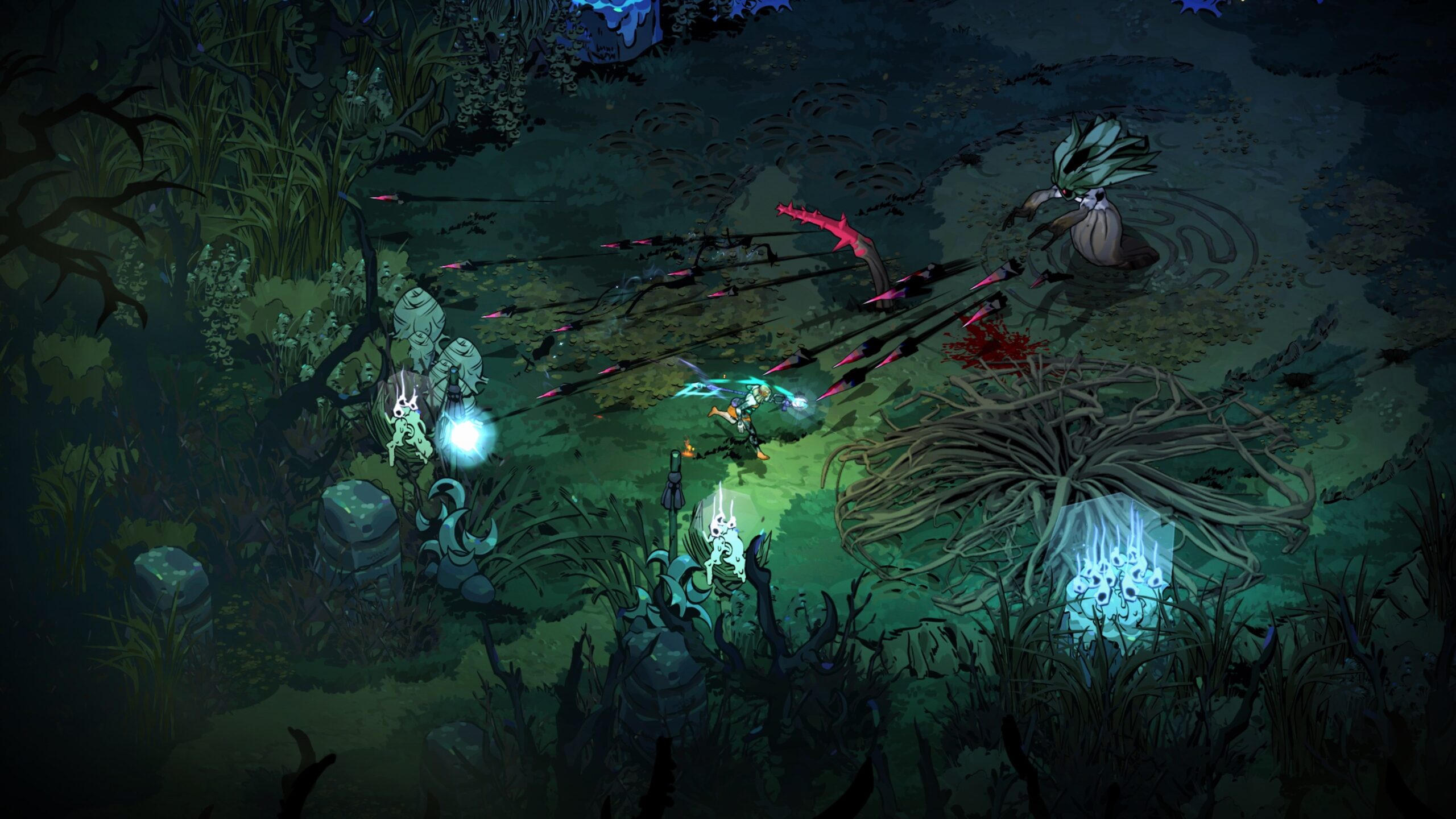
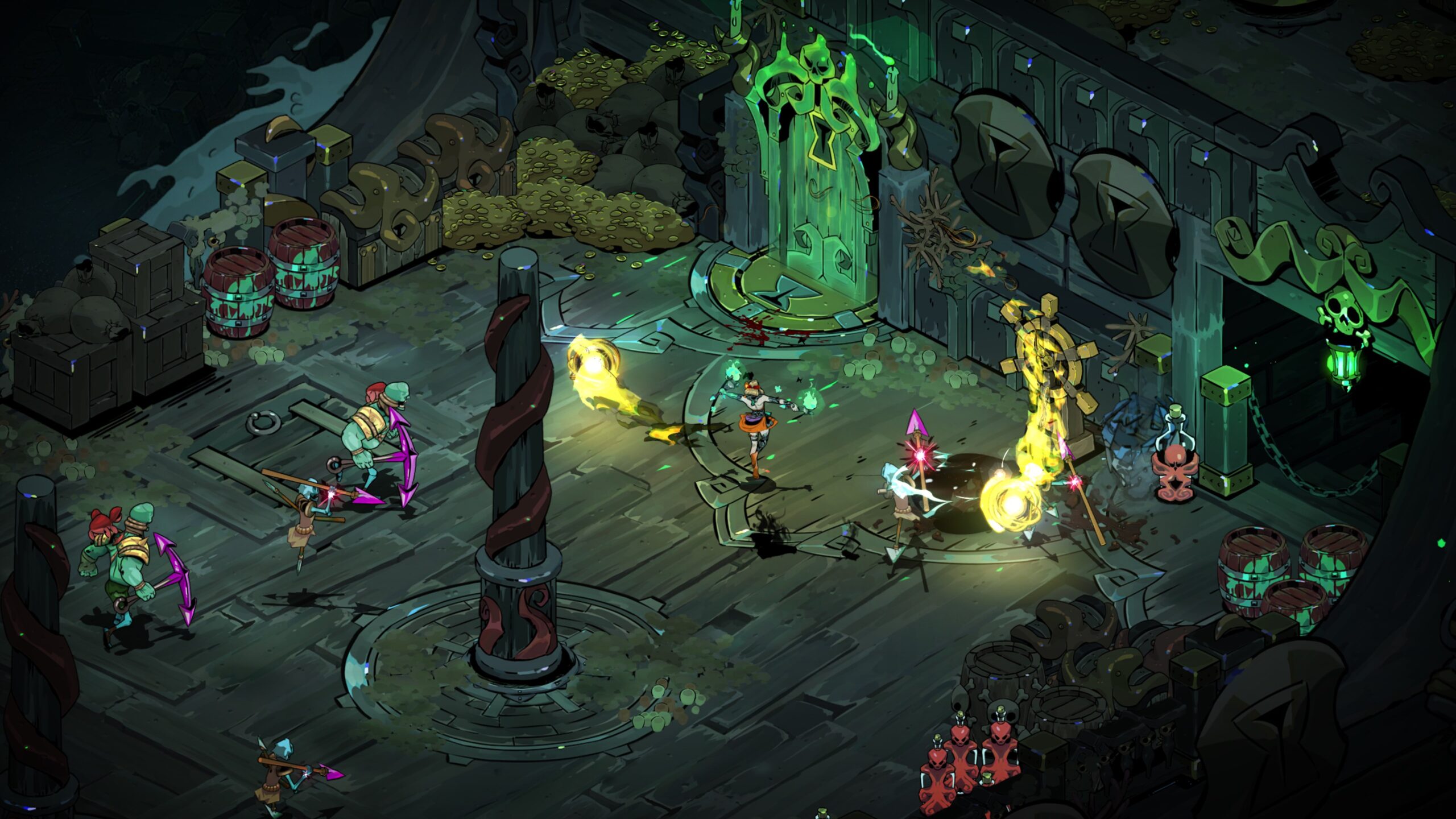
A typical run moves through several regions, each with its own enemies, hazards and boss encounters. Erebus serves as the introductory area with relatively forgiving enemies that teach players the flow of the game. Oceanus introduces undersea visuals, new enemy types and more complex boss patterns that will enforce the need to learn more advanced gameplay techniques and careful buildcraft.
Meanwhile as you transition from mid to late game, the Fields of Mourning add harsher environmental hazards and more demanding encounters. Later regions escalate further, culminating in a confrontation with one of Greek mythology’s most famous bad guys, although no spoilers here. Each region has its own minibosses, room layouts and reward distributions, ensuring that the feel of a run evolves as you progress.
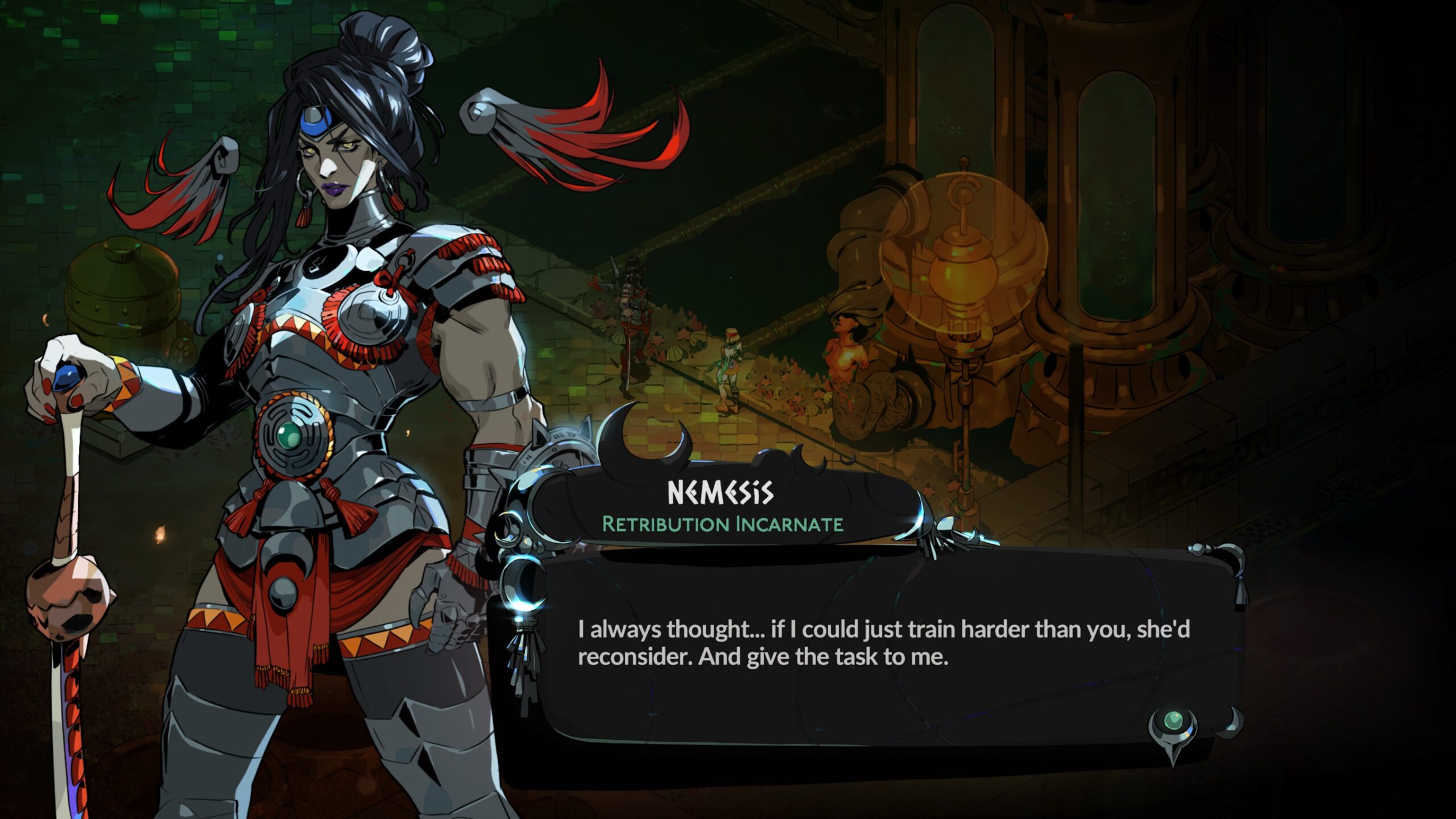
Once you reach the end of Hades II’s story, the game opens up additional challenge systems. The Oath of the Unseen allows you to add modifiers that increase enemy health, damage, speed or boss complexity in exchange for better rewards, functioning as the sequel’s equivalent to the Pact of Punishment. Optional modes such as Chaos Trials provide additional structured challenges that remix encounters or impose constraints. These systems give experienced players ways to continue pushing their skill ceiling long after the main narrative concludes.
I’ve played through on Xbox, where Hades II arrives with all existing content and subsequent balance updates already in place, although I’ve not specifically looked into how this has changed the game since the original PC launch. Hades II targets current‑generation hardware and delivers smooth performance, fast loading and responsive controls that are virtually flawless. The isometric camera, rapid movement and dense particle effects translate cleanly to a controller, and the structure of short rooms and runs that typically last under an hour fits naturally into a living‑room play pattern.
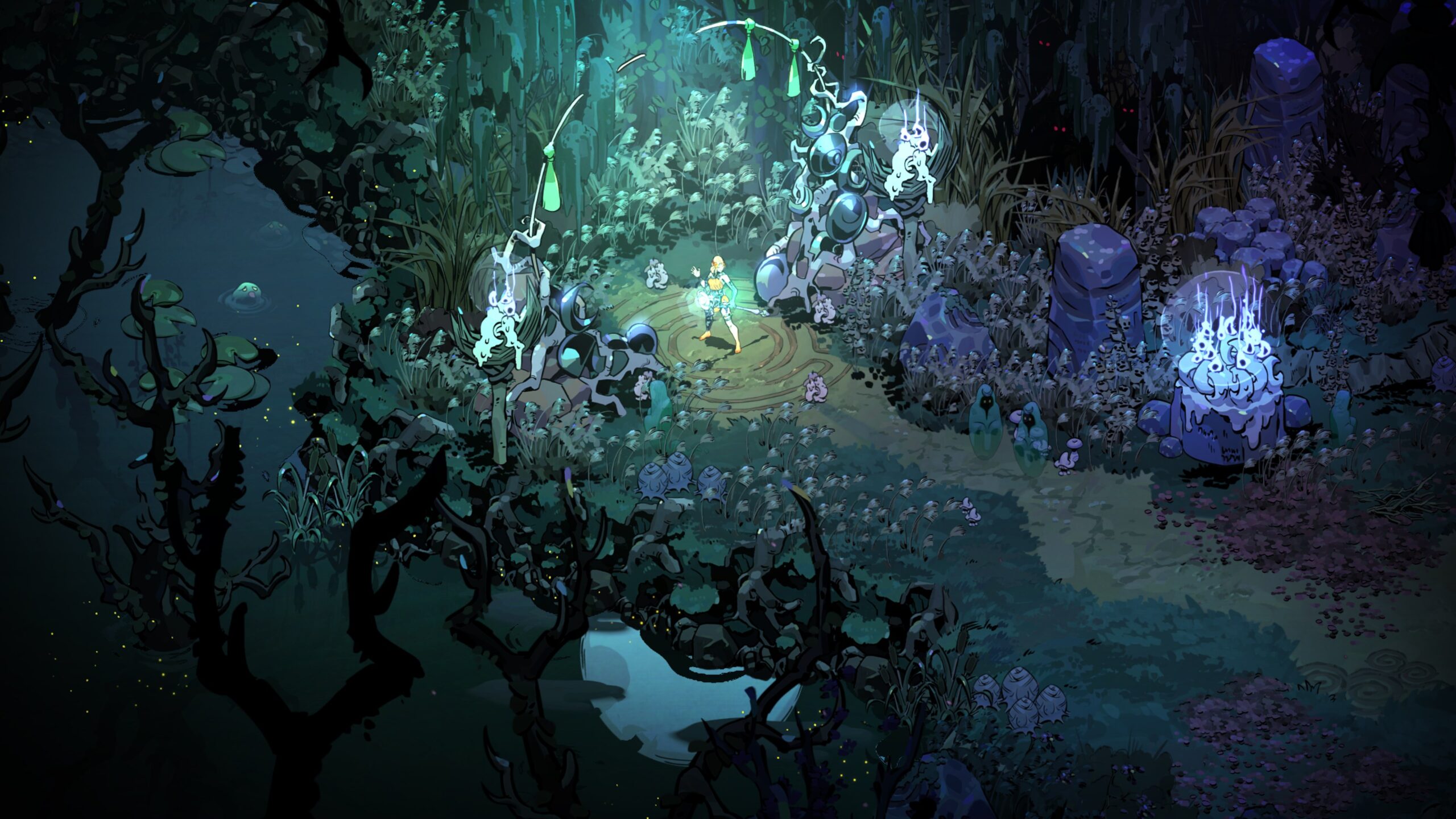
Taken as a whole, Hades II is a comprehensive expansion of the original idea. It introduces a new protagonist with a distinct combat identity, six weapons with multiple Aspects and very different playstyles, an expanded roster of gods and boons, the Arcana Card system for pre‑run planning, incantations and gathering tools for long‑term progression, familiars for additional support, new regions and bosses and a robust endgame built around the Oath of the Unseen. It preserves the clarity and responsiveness of Hades while offering more depth, more variety and a broader range of strategic possibilities. It is, frankly, verging on incredible and for me, is an absolute must-buy.
Hades II is available now for PC, as well as Nintendo, PlayStation and Xbox consoles.
