

Industria II, from Bleakmill is a direct continuation from the first title, putting you into the shoes of scientist and explorer, Nora. With some heavy Half Life inspirations and a surprisingly linear path, Industria II lets you discover the truth behind the ATLAS project as you try to free yourself and return to Berlin.
One of the first things you’ll come across and that features heavily throughout Industria II is physics based objects and (I use this in a very loose way) puzzles. Most of these serve as doors that may be blocked by wooden planks, or some sort of interaction with ATLAS doorways that might require plugging in or entering an item, at first it seems quite intuitive, open doors with your mouse, as well as cupboards and many other objects but by the end of the game, it feels more like a hindrance hiding ammunition and upgrade materials.
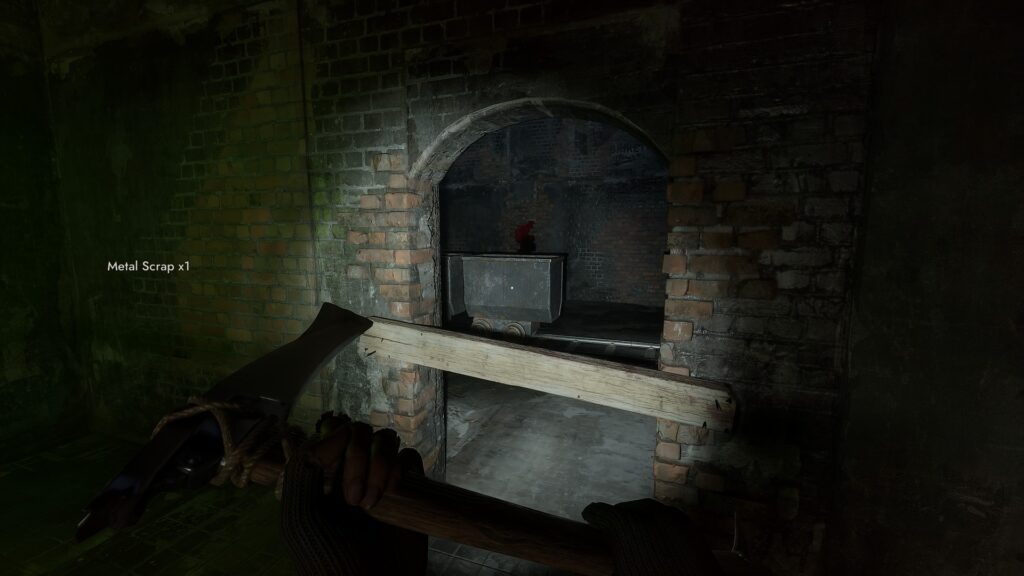
The pacing of Industria II is self-described as slow, this is both its greatest strength and weakness. For some of the more immersive and atmospheric areas the slow trot through some of the more visually appealing environments are few and far between the even slower slogs through the many dilapidated buildings, caves and very similar looking metal hallways over and over again.
It has a similar issue to Beneath where a lot of the environments feel as though they repeat. Combine this with slow pacing and the even slower physics interactions and it ends up making some of the duller areas feel like they take an eternity. This is also extremely surprising, considering I finished the game in under four hours.
One of the more positive elements of Industria II is the inventory system, it’s simple enough to be familiar to anyone who has played something like resident evil but has a level of complexity added with the addition of juggling equipped weapons and items to prepare for what’s to come. You can also craft through your backpack, ammunition, bombs, healing supplies all are available at the cost of precious resources.
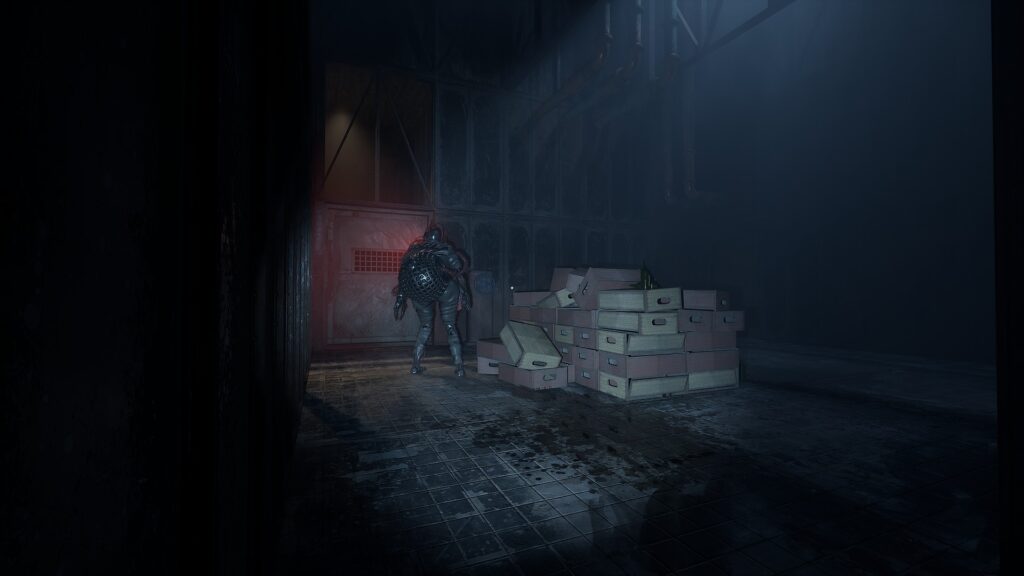
Speaking of resources, I played on normal difficulty and throughout the first half of Industria II I was overflowing with parts and ammunition. I would regularly defeat enemies with the ace when possible to save, which wasn’t too bad but about halfway through my time with Industria II, new enemies were introduced and all of a sudden my stock of supplies disappeared. These enemies are surprisingly tanky and although they do drop ammunition it was never enough to make up for what I had used leaving me in a deficit after every encounter.
The enemies that you’ll mainly come across as you travel through the alternate dimension seem to mostly include close range melee creatures with a few ranged tankier units scattered in the later encounters. There are stealth mechanics available to avoid and sneak past but honestly it was easier and safer to just wipe out all the enemies and you’re awarded with weapon upgrade materials in the form of Petraore, a strange liquid energy source that can be used to add permanent buffs to your guns.
Some of the upgrades available for your weapons include faster reloads, more damage, faster fire rate and a bigger magazine capacity. You can also add unique attachments for a hefty cost to some of your weapons like a stock or a scope, but realistically there’s very few that really make a big difference and I would focus more on damage upgrades to help drop enemies faster.
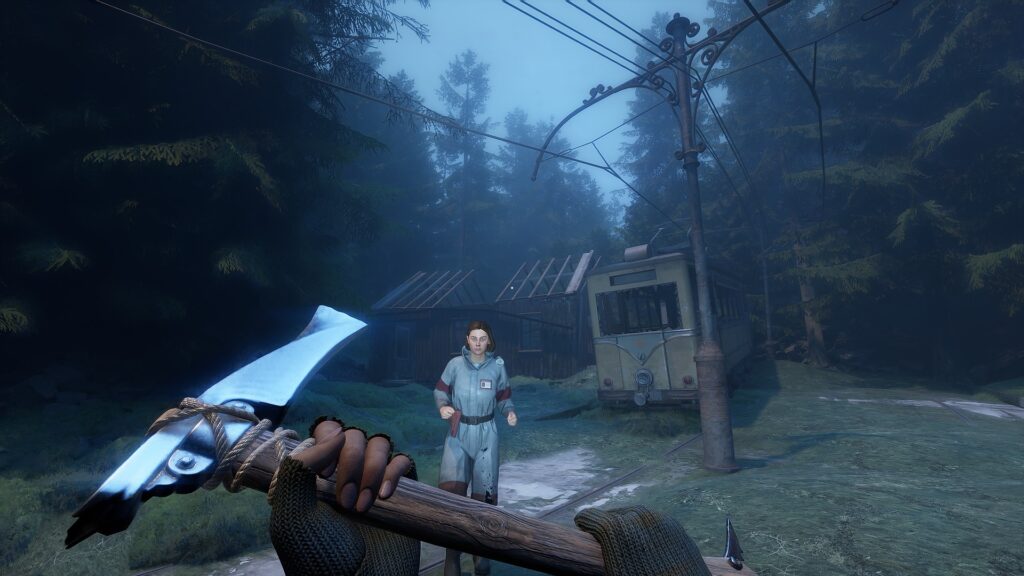
Of the weapons available I actually ran most of the game with the starting pistol and the shotgun, as upgrades were cheap and I had already used my resources before unlocking new items it made sense to me as the ammunition was quite cheap to make as well. This turned out to be a great idea as the pistol could easily clear enemies and the shotgun proved highly effective against larger bosses and tankier units with more health letting me breeze through a lot of the more melee focused encounters.
There’s a lot of story opportunities with optional radios and chances to chat with characters as you explore the world. Some of these do really slow the pacing again and with these encounters not being skippable, some of them really do leave you sitting and waiting for quite some time. Without context from the first game the radio messages were completely lost on me for instance and I had to sit and wait for them to end before I could leave and carry on.
Overall, Industria II is a self-described slow paced linear story, it has heaps of atmosphere but for such a quick experience overall, struggles to really connect on a deeper level and if you haven’t played the first game you will be left with more questions than answers.
Industria II is available now for PC.
