

Flesh pits, spooky temples, luscious forests and snowy peaks provide a diverse and engaging setting for tight resistance-based combat in Verho Curse of Faces, an RPG that doesn’t overstay its welcome and makes every enemy, area and item count. While the Switch 2 port has been hard on developer Kasur Games, they have been quick to identify and fix the issues.
Having recently completed a playthrough of Dread Delusion and adored being sucked into a psychedelic Morrowind and Kingsfield lovechild, I wasn’t sure if Verho Curse of Faces would be an experience I loved or loathed. It turned out, about 25 hours of playtime later, that any flaws the game presented (of which there were a handful) were utterly outweighed by the pace, atmosphere and joy of discovery Verho offers.
In a genre usually quite shy about narrative, Verho presents a coherent and engaging story — with a twist I genuinely didn’t see coming that recontextualises the entire game. If you’re a Lunacid and Dread Delusion fan then this is more of a similar vein, and if you’ve never played a “Kingsfield-like” before then Verho provides a dense, approachable way to join the club.
Switch 2 ports are notoriously hard
This might not be PS3 levels of console architecture, but ports to the Switch and Switch 2 are notorious for adding in unintended artifacts and bugs. Verho Curse of Faces doesn’t avoid that particular…curse.
In my playthrough the most egregious issues were text size in menus, controls being labelled as “Attack input” rather than with an actual button, and 3 specific interior areas having walls, ceilings and objects constantly clip out of existence. I also had cutscenes freeze and was forced to skip them, thankfully still being able to complete the fight the cutscene was attached to.
It sounds like a trainwreck of a port, but the thing is I finished the game perfectly well regardless. It definitely harmed the experience at times, but nothing actually game-breaking occurred. Not to mention, all the issues I just mentioned went in an email from us at B3 to the dev team (Hi Tomasz!) and they were able to recreate and identify all the specific problems. A patch is set to drop before release which will mean the single complaint I had about Verho, the Switch 2 bugs, will be gone…
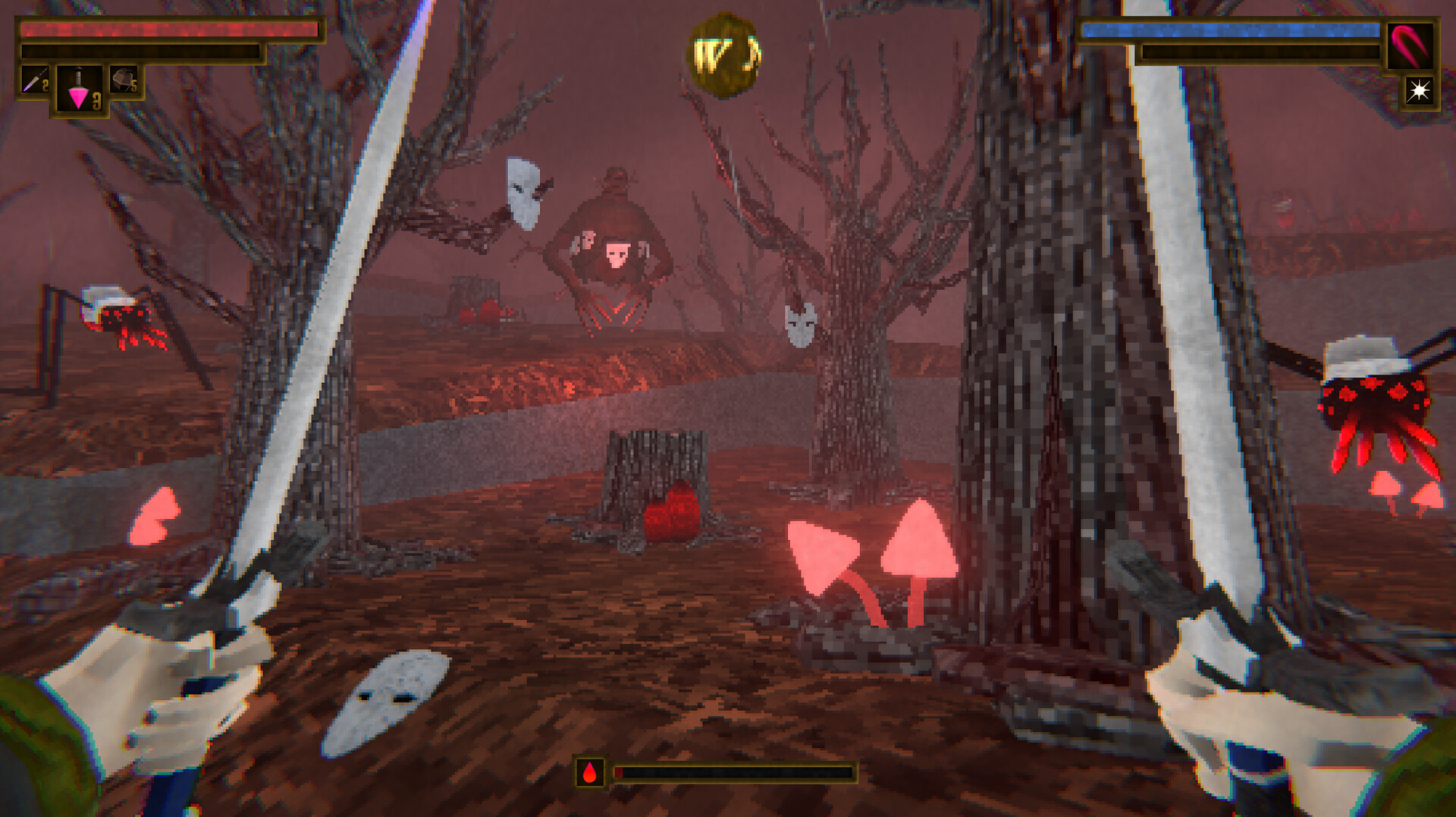
With the bugs fixed, all that’s left is to strap in
I can’t say I’m not a little envious that you all get to enjoy a post-patch Verho on your Switch 2s. It’s that good of an experience that I wish I could go through it again without even those minor issues I faced. It’s been out a while on other platforms and so the mechanics and vibe have been covered extensively already, but I’ll allow myself to glaze the game a little, as a treat…
- An intriguing narrative told via implication. Until the final big reveal (which you have to earn by thoroughly exploring and completing an NPC quest), all the storytelling in Verho is told with tidbits and tells. You are told there was a curse that killed people whenever they saw a human face, but that’s about it. Learning about the demon incursions, foreign lands and schools of magic all comes through dialogue and descriptions.
- Spells and weapons that mean something. It can be easy to say a game has a million weapons and never actually touch on what makes them special. Verho contains a pool of unique, specifically-placed instruments of death that can define a playstyle or help solve a specific combat challenge you’re facing. I played a resistance-targeting Identity mage, but a specialised warrior would have been able to access those elements through 120-Str-Requirement axes and the like. Because every elemental type is useful in at least one part of the game, every weapon and spell feels like a piece of a puzzle you actually care about.
- Secrets upon secrets. While the core game can be completed with relatively little lateral thinking, there’s a host of secret interactions and environmental puzzles to take on. You won’t be piling coffins on top of each other to break the game like in Lunacid, but there’s some wiggle-room for jumping or sneaking past areas and activating shortcuts early. There’s also a wide range of NPC questlines that require you to pay real attention to the dialogue to work out where they may be next.
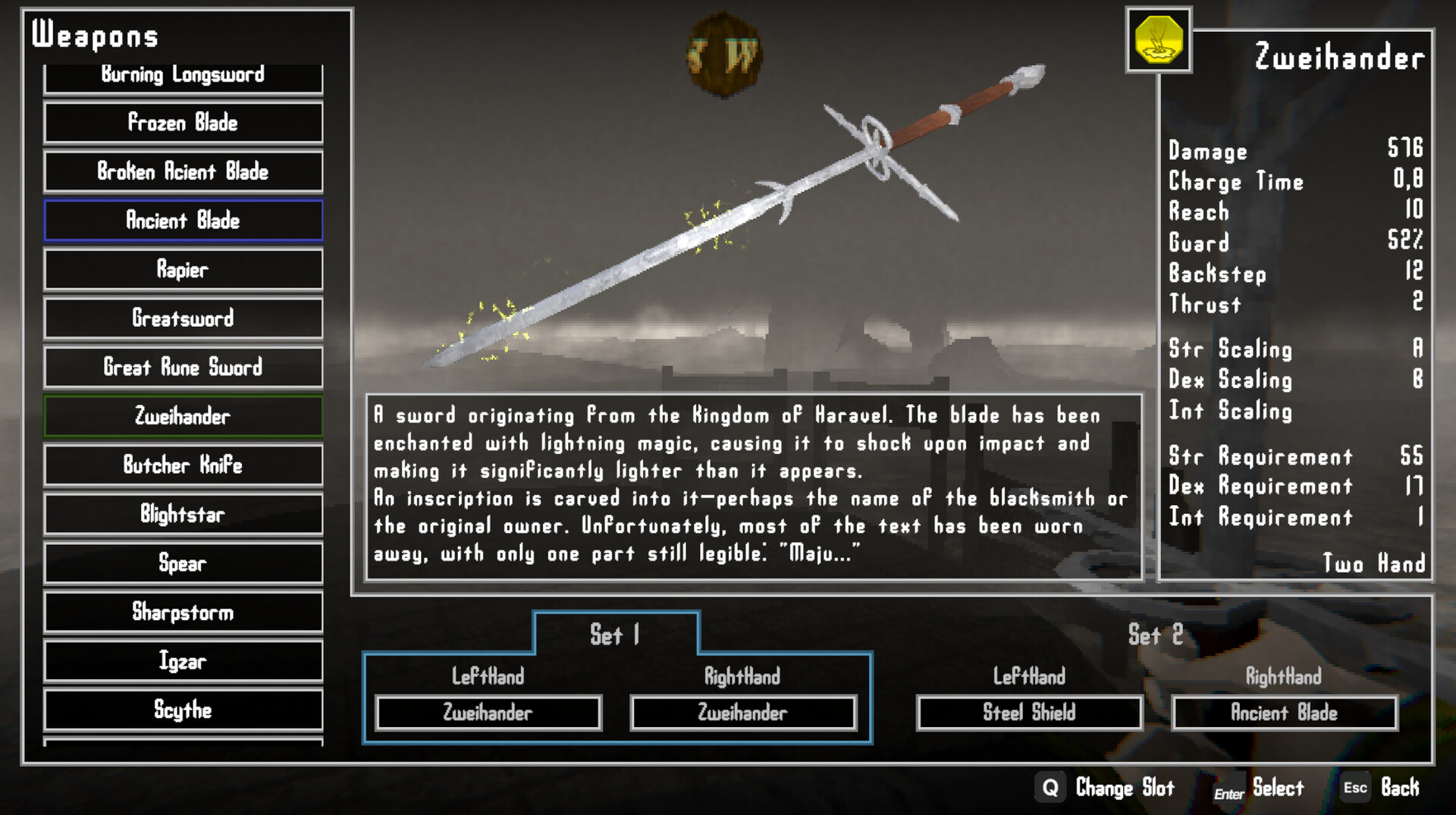
Small but detailed areas make progression smooth and steady
While you might get stuck at a locked door or wonder why an area leads to a dead end at times, the world of Verho is tight and condensed enough that backtracking, where necessary, isn’t a chore. Not only will you be able to slay your way more easily through older areas, but your knowledge on how the game operates will help too. I was never stuck not knowing where to go, although I will (solemnly) admit that I missed an entire area and boss fight in my playthrough, despite getting the full story revealed!
The psychedelic world of Dread Delusion is a flawed masterpiece
For fans of the genre this is an easy buy, but even for people who haven’t dived into it for fear of difficulty or labyrinth level design Verho actually makes a more accessible entry point. Small levels with detailed looting, enemies with specific elemental weaknesses and bosses that rely only on timing jumps and movement, rather than i-frames or parries, all make Verho a more easily-played game than many of those in the retro-RPG genre.
Verho Curse of Faces is available on Nintendo Switch 2 and PC via Steam
