
Mindbug x King of Tokyo is a fast-paced, small box design that is packed full of smart ideas

Mindbug x King of Tokyo is a surprising and yet extremely well-suited crossover. Richard Garfield has spent decades refining two very different strands of design: the tight, tactical cardplay of Magic: The Gathering and the big, swingy, personality‑driven chaos of King of Tokyo. Mindbug, co‑designed with Marvin Hegen and Christian Kudahl, sits somewhere between those poles — a distilled duel where every card is powerful and every decision matters.
Mindbug x King of Tokyo brings together the monsters of King of Tokyo to create a system that feels like Garfield revisiting his own design history and stitching together lessons learned across thirty years of iteration. I may be wrong, but I have a sense here of a designer who (when some of his other designs like Bunny Kingdom are also considered) has been refining his designs down to a razor sharp, super fast experience that maximises big decisions and fun outcomes at a reduced level of complexity.
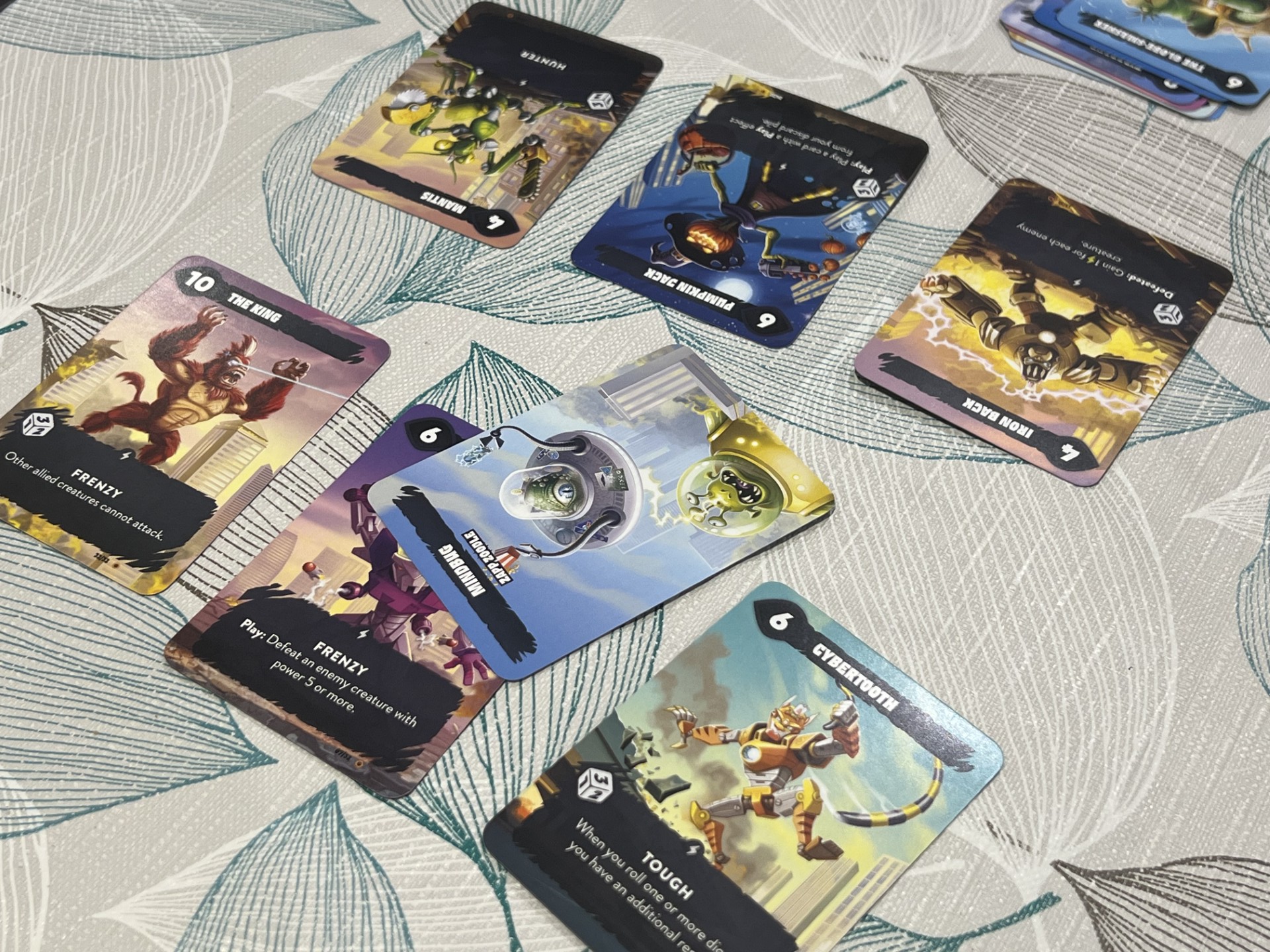
At its core, this is still Mindbug: A two‑player duel where you summon creatures, attack, defend, and try to out‑tempo your opponent with a tiny deck of extremely potent cards. The twist, as always, is the Mindbug itself, which gives each player the ability to steal one of your opponent’s freshly played creatures, turning their best move into your advantage — but only, and exactly, twice per game.
This single mechanism remains one of Garfield’s most elegant pieces of design work; a kind of built-in balancing valve that keeps games tense and prevents runaway leads. It’s the same philosophy that underpins Magic’s stack or King of Tokyo’s push‑your‑luck dice: give players the tools to feel powerful and empowered, but equally, give them a potent way to disrupt their opponent and swing the game in their favour.
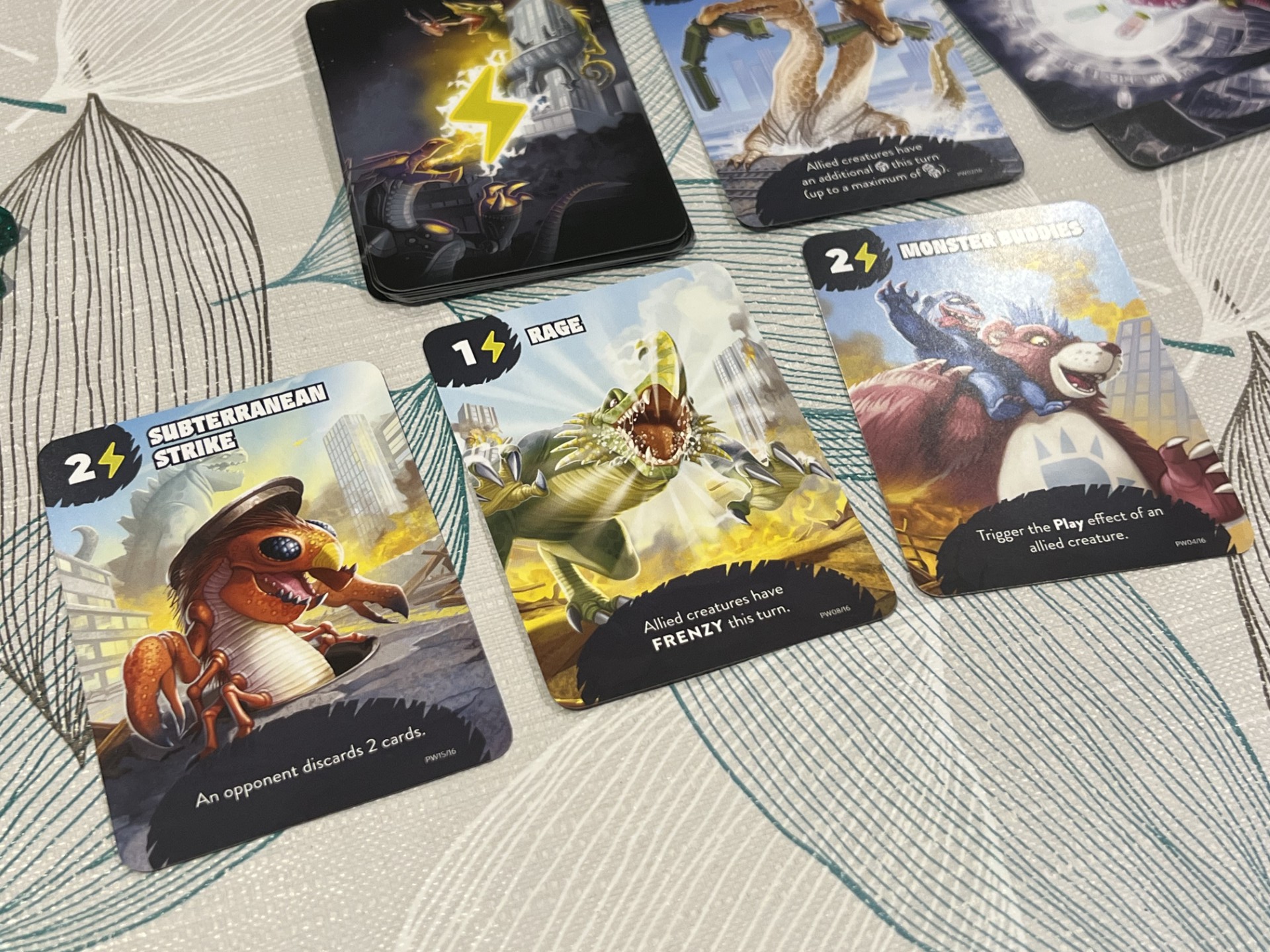
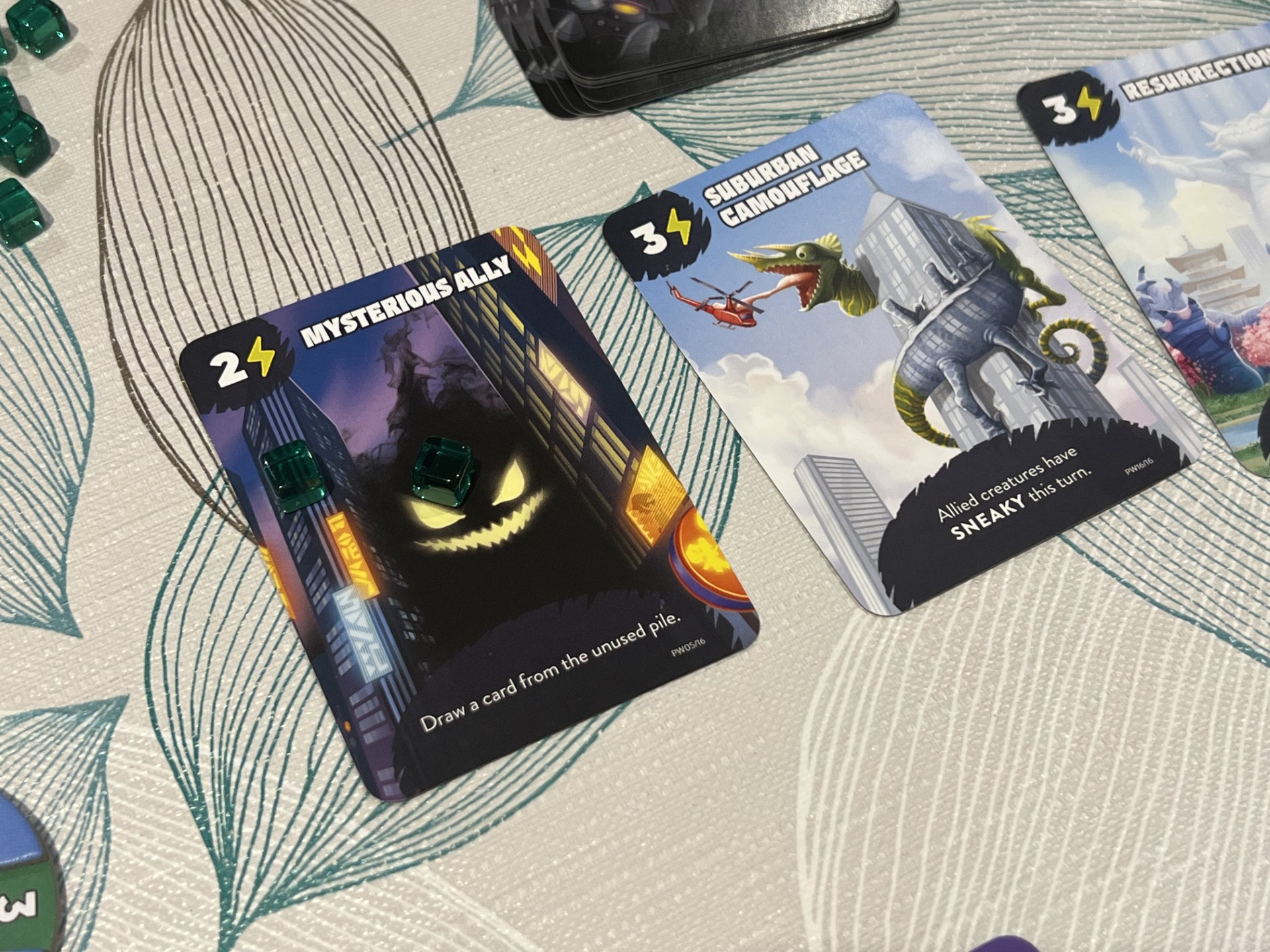
What Mindbug x King of Tokyo adds is flavour, texture, and a different kind of spectacle. The creatures here are the iconic kaiju and characters from King of Tokyo, and they bring with them the energy, dice‑triggered effects, and power‑card economy that define the King of Tokyo series. Attacks can now trigger special die rolls, echoing the original game’s blend of unpredictability and showmanship. Power cards, a staple of King of Tokyo, now appear as one‑off boosts that let you bend the rules or swing a combat at the right moment. It’s a clever addition that adds a light smattering of new rules, but which broadly feels fully integrated into the core experience.
As a new Mindbug player, I was surprised how much cleaner this game feels than Magic: The Gathering — which is a game that I have always (and still) love. Garfield has spoken often about how Magic grew organically, with complexity increasing over time. As I said earlier, Mindbug is the opposite: a deliberate attempt to strip away everything except the decisions that matter.
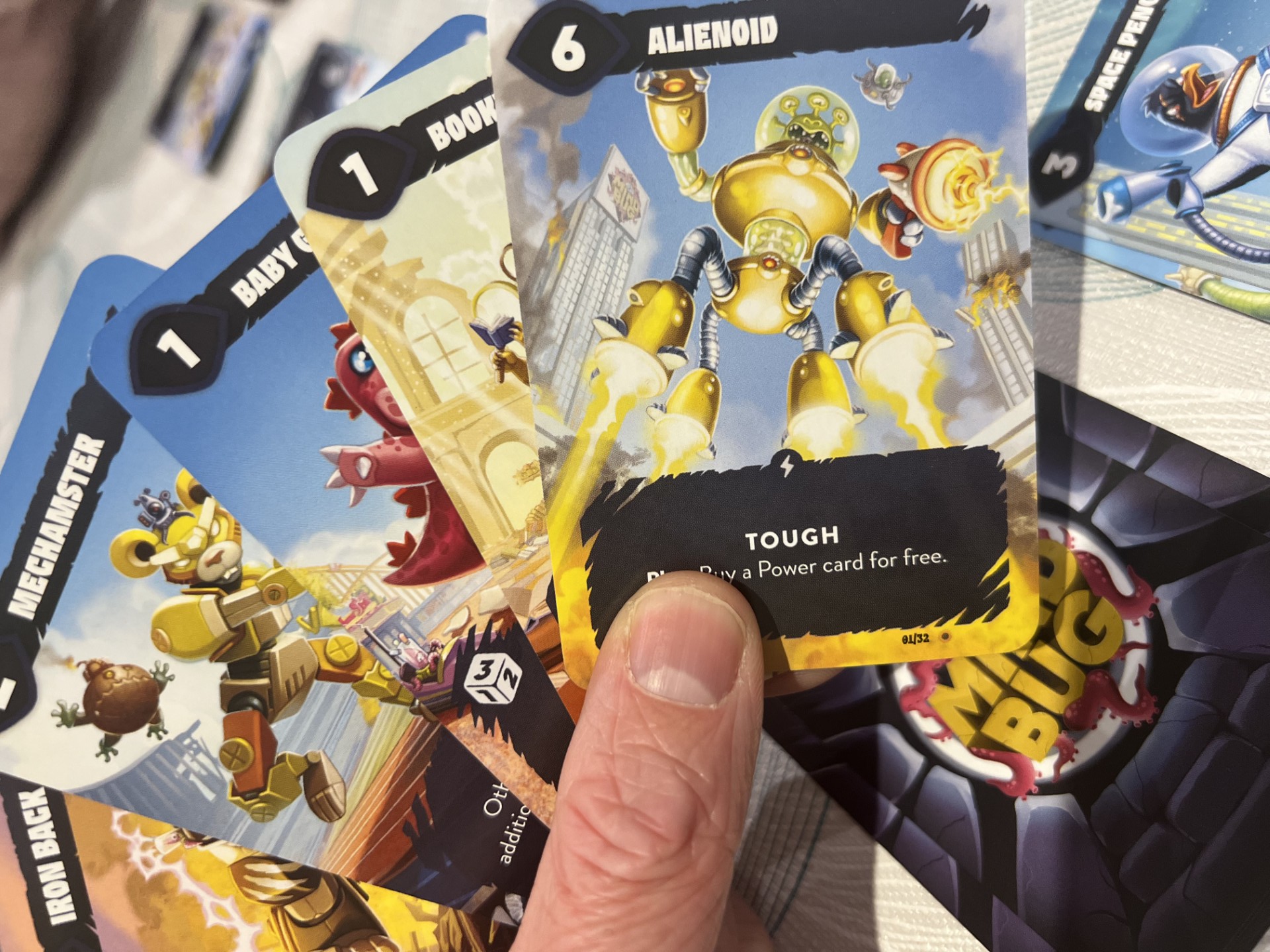
In Mindbug x King of Tokyo, you can see Garfield applying that same discipline to the King of Tokyo formula. The iconic dice are still there, but they’re focused. The powers are still wild, but they’re contained and all occur “immediately” without the fuddle of ongoing effects to manage. The monsters still have personality, but they’re expressed through tight, readable abilities rather than upgrade cards that came in the King of Tokyo: Power Up expansion. It’s as if Garfield is revisiting his own earlier ideas with the benefit of decades of refinement and…
The result is a game that plays fast but feels substantial. Every creature is dangerous. Every attack threatens to swing the game. Every Mindbug is a loaded gun. And because the card pool is small, you learn the ecosystem quickly, which shifts the emphasis from discovery to mastery. That’s a hallmark of Garfield’s best work: games that are easy to teach, quick to play, but reward repeated duels with the same opponent. King of Tokyo has that quality. Magic is perhaps the best at this since Chess… Mindbug x King of Tokyo sits comfortably in that lineage.
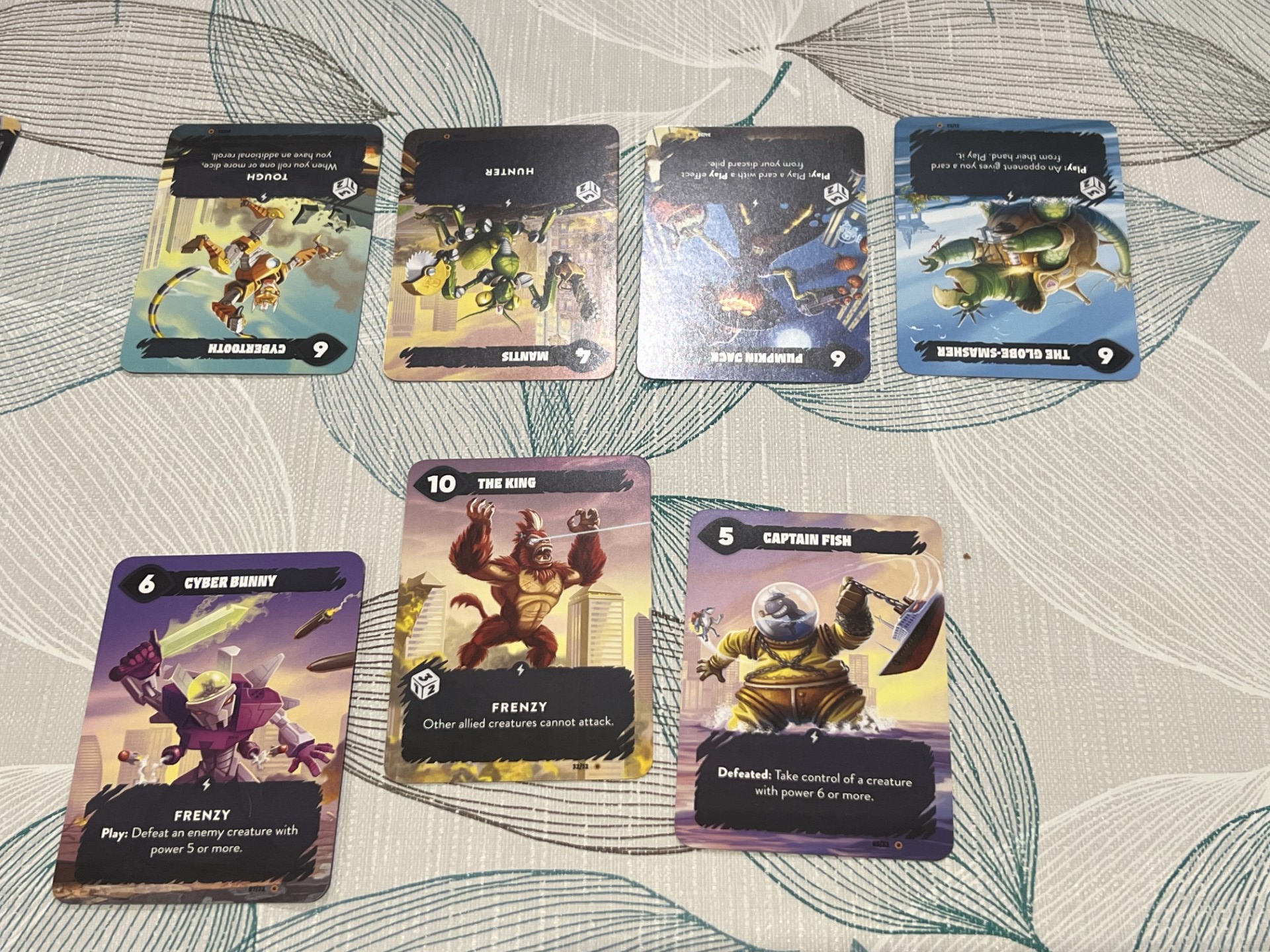
What elevates this crossover is how naturally the two systems mesh. The monsters feel like they belong in Mindbug, and the Mindbug mechanic feels like it is well-augmented by King of Tokyo. The push‑your‑luck energy of the dice adds a layer of volatility that suits the kaiju theme, while the tight decision space of Mindbug reins in the excesses that sometimes make King of Tokyo swingy. It’s a meeting point between precision and chaos, and it works because Garfield has spent his career exploring both extremes.
For players who enjoy Mindbug, this set adds a new flavour without diluting the core. For fans of King of Tokyo, it offers a sharper, more tactical way to experience those monsters that youngish players (probably around seven or eight upwards) can still enjoy. And for anyone who has followed Garfield’s work across Magic, King of Tokyo, Netrunner, and beyond, it’s fascinating to see how ideas echo across decades — how the lessons of one design inform and iterate the next.
Mindbug x King of Tokyo isn’t just a novelty crossover. It’s a small, clever, confident game that feels like the product of a designer revisiting his own history with a scalpel rather than a paintbrush. The concept of Mindbug isn’t specifically Richard Garfield’s though and perhaps I haven’t given enough credit to the other designers here, because this really is a superb design simply made better for the influence of Garfield’s other product line (King of Tokyo.) Mindbug is a quick, punchy and personality-filled game, and Mindbug x King of Tokyo shows just how much elegance can be squeezed out of a handful of cards when the design is this sharp.
Mindbug x King of Tokyo is available now on Amazon.
