

Ancient Greece has always been fertile ground for video games — gods, monsters, epic battles, and tragic heroes practically beg to be pixelated. But while most titles lean into sweeping narratives or open-world exploration, Achilles: Survivor and Legendary Hoplite take a different approach. These are games about standing your ground — One lone warrior against endless waves of enemies.
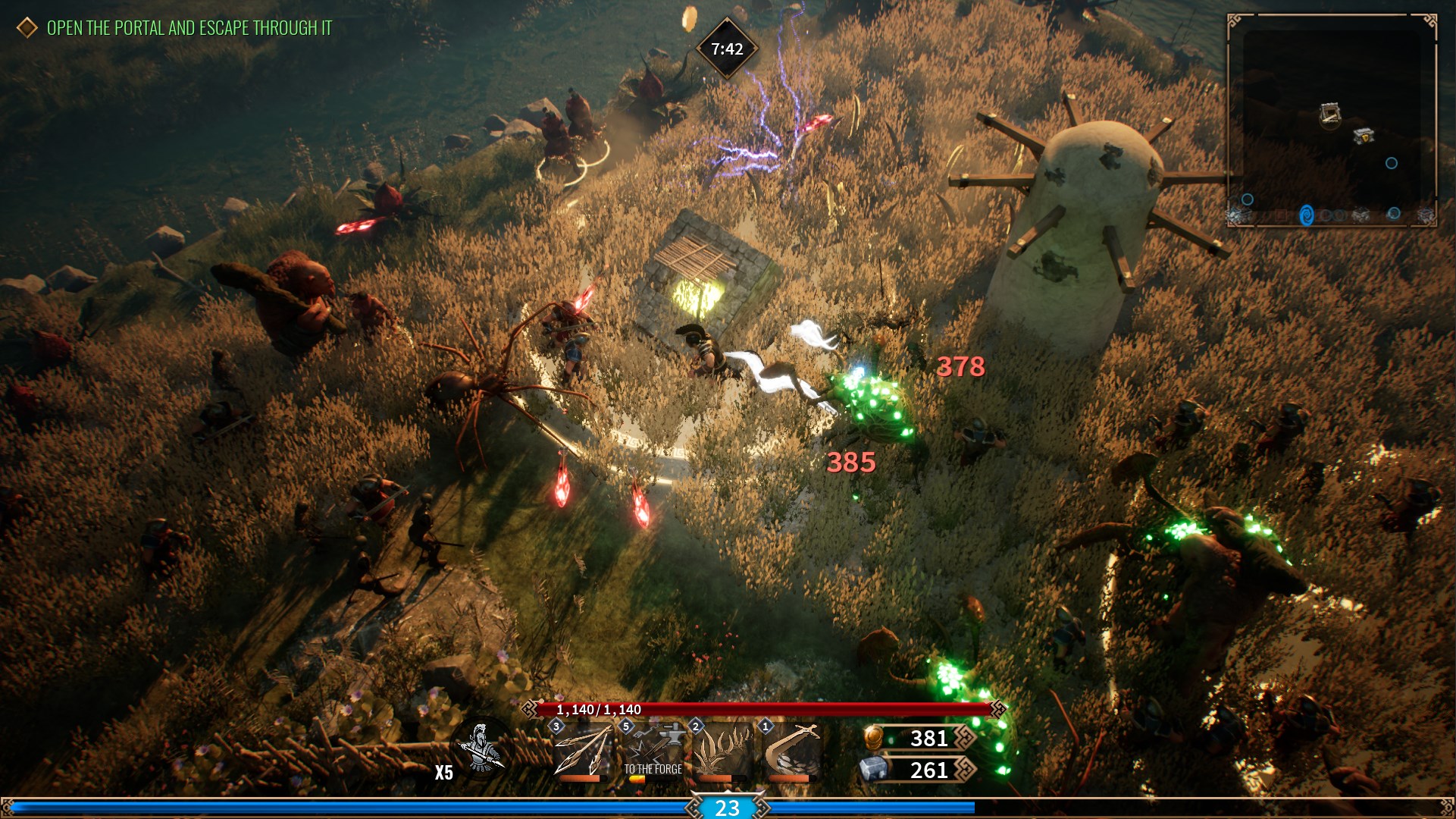
Let’s start with Achilles: Survivor, a spin-off of Achilles: Legends Untold that ditches the ARPG format in favour of a roguelike auto-shooter with tower defense mechanics. You play as Achilles (or one of many unlockable heroes), dropped into Tartarus with nothing but a basic attack and a hope of survival. The gameplay loop is familiar if you’ve played Vampire Survivors: Kill enemies, collect orbs, level up, choose new abilities, repeat. But Achilles: Survivor adds a few twists that make it stand out.
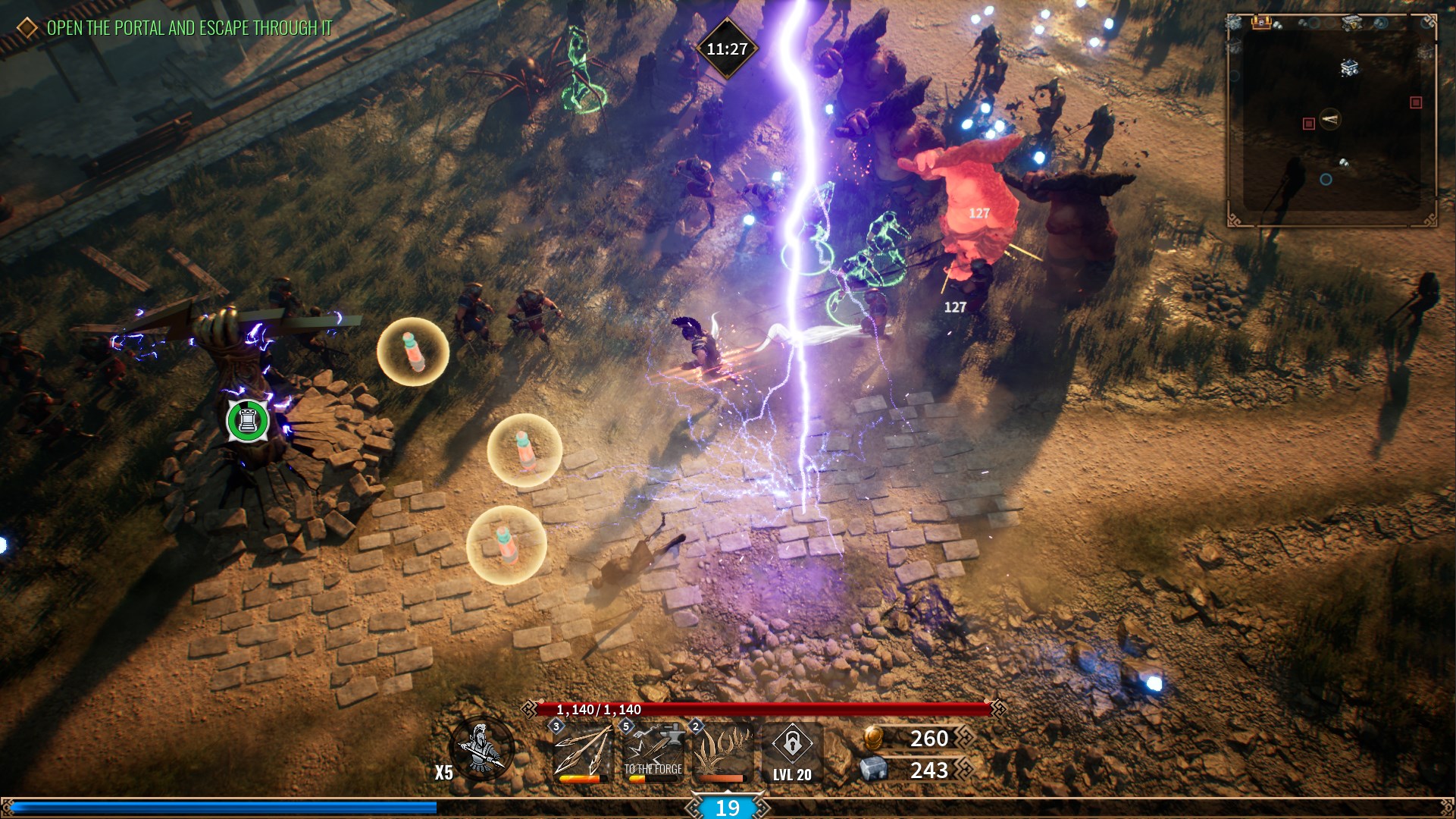
First, there’s the tower defense layer. As you fight, you collect stone — a resource used to build structures like flamethrowers, spike turrets, and lightning towers (among others). These towers have limited lifespans, so you’re constantly rebuilding and repositioning them to funnel enemies into kill zones. It’s a clever mechanic that forces you to think spatially, even while dodging exploding spiders and harpies. You’re not just running away all the time, you’re actually engineering your own battlefield.
Second, there’s exploration. Each level has optional objectives: open treasure chests, find hidden basements, build a certain number of towers. Completing these earns permanent upgrades, which feed into the roguelike progression system. It’s not just about surviving the current run — it’s about building a stronger Achilles for the next one, or perhaps even unlocking more complex and highly specialised characters as you learn.
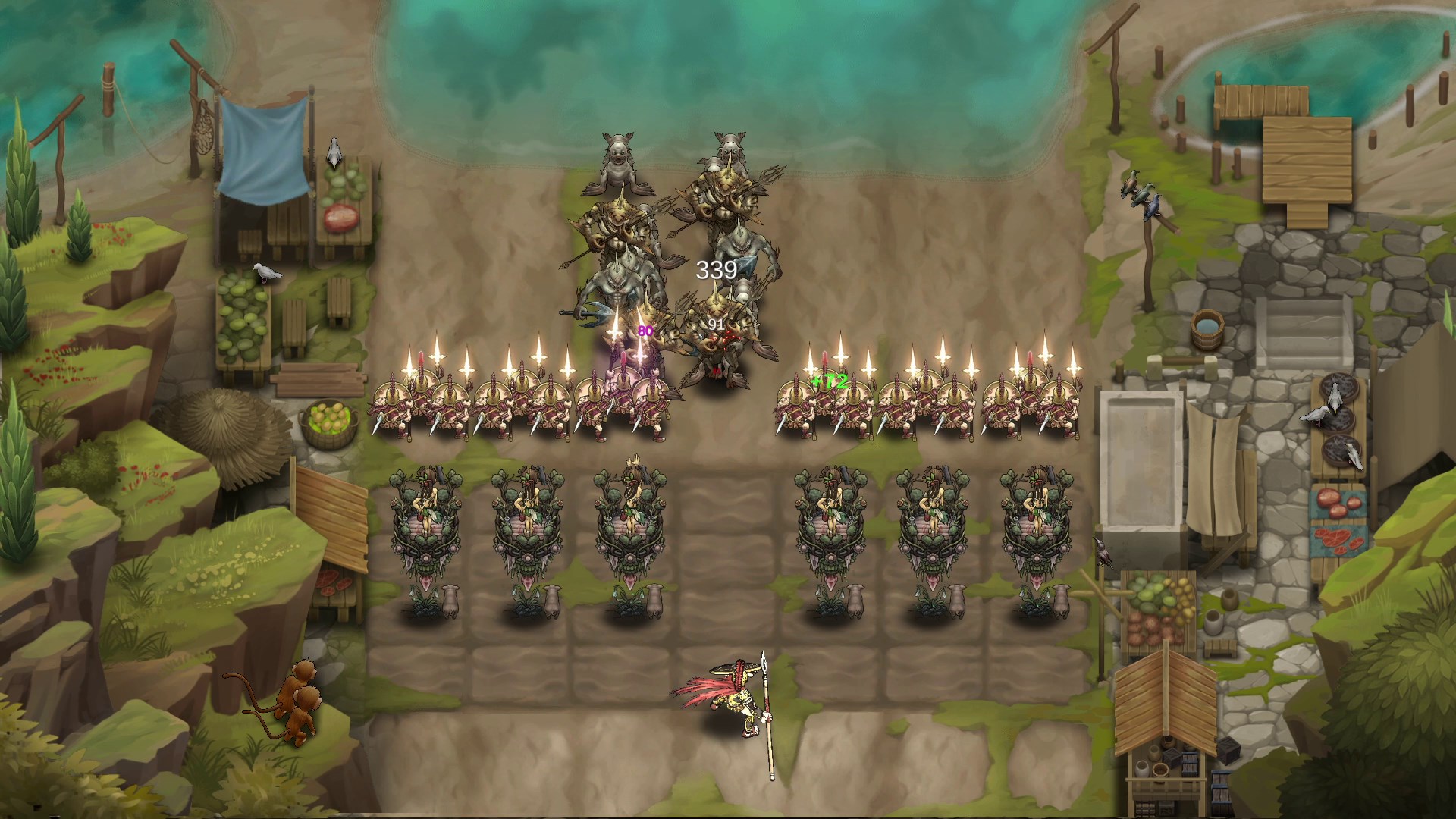
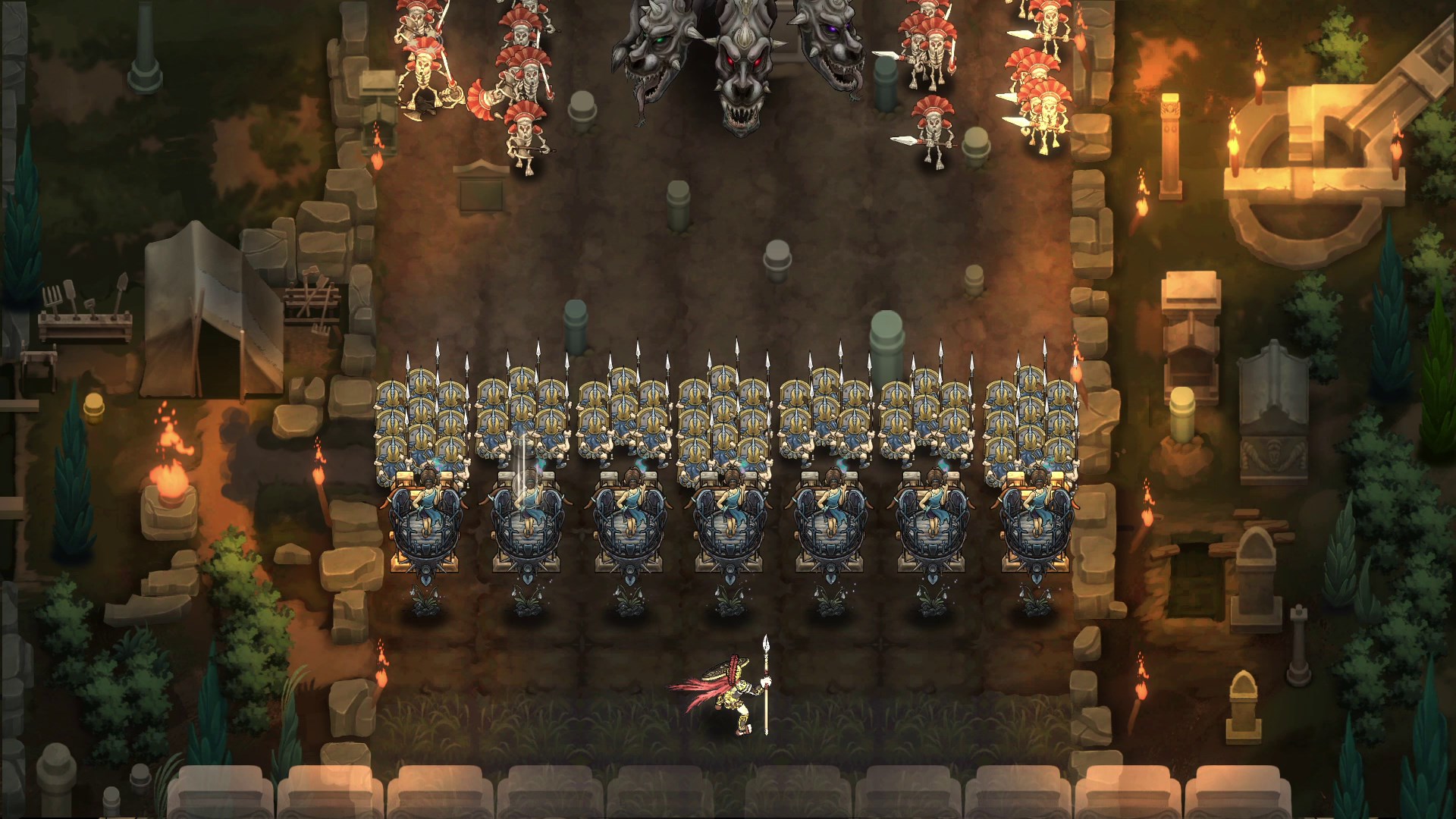
Now contrast that with Legendary Hoplite, a game that feels like Plants vs. Zombies by way of 300. You play as Dio, a hoplite commander defending Ithaca from waves of mythological enemies. The action is lane-based, with enemies marching from the top of the screen to the bottom. You control Dio directly, moving him between lanes, throwing spears, swinging swords, and activating special abilities. It’s fast, frantic, and surprisingly tense.
Combat points are the currency in Legendary. You earn them by killing enemies or triggering early waves, and they’re used to deploy troops — spearmen, archers, barrel throwers, and more. Each troop type has its own upgrade tree, and you can respec them freely between levels. That’s a godsend, because Legendary Hoplite is tough. You’ll fail levels often, rethink your strategy, and rebuild your army from scratch. But when it clicks — when your troops are perfectly positioned and Dio is darting between lanes like a mythological ninja — it’s incredibly satisfying.
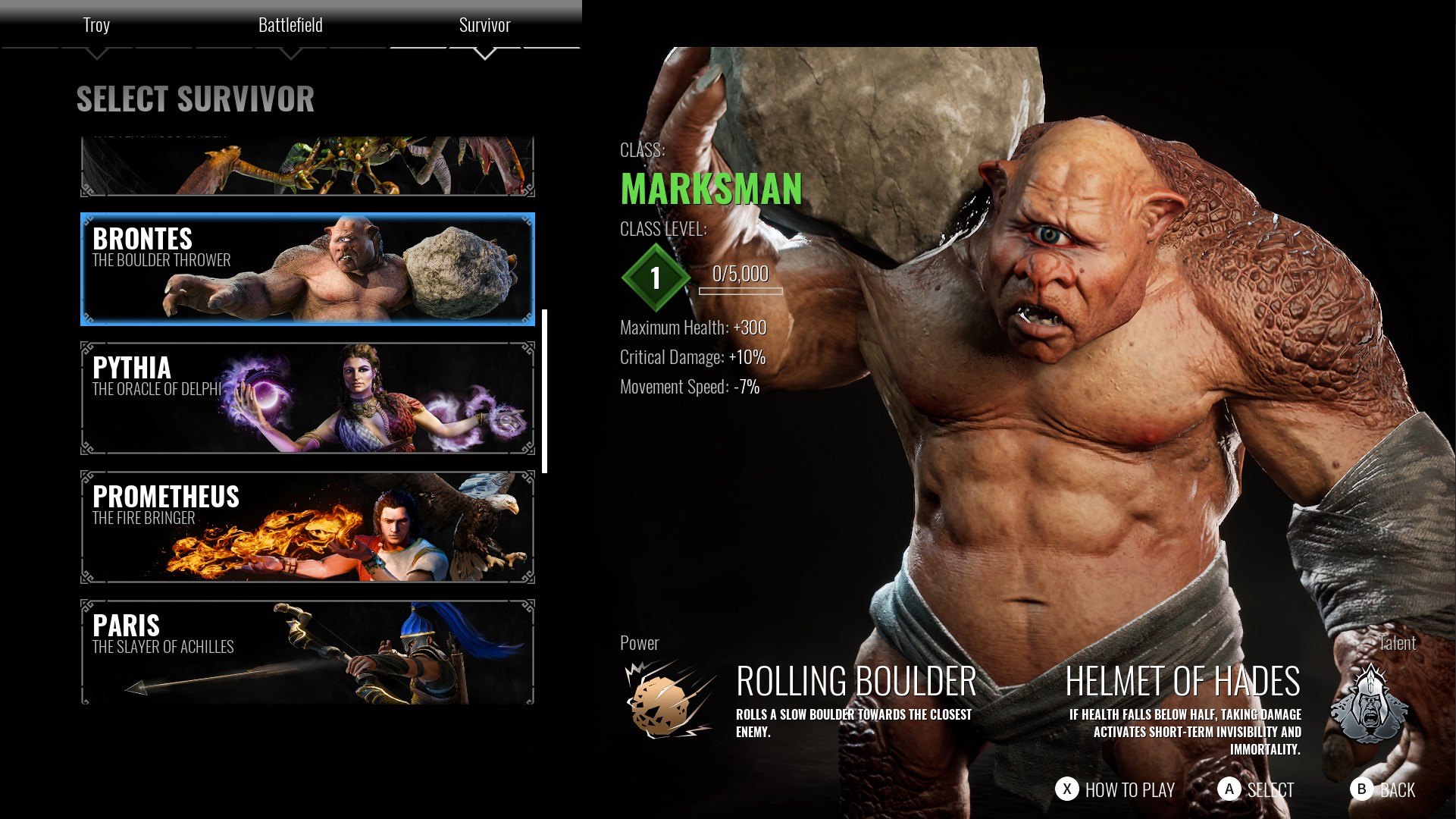
Both games lean heavily into upgrades. In Achilles: Survivor, you’re choosing new abilities every few levels — some active, some passive — and building a character that suits your playstyle. Want to kite enemies with poison clouds and summon lightning from the gods? Go for it. Prefer brute force and area-of-effect damage? That’s viable too. The game limits you to four active abilities per run, which forces meaningful choices and prevents ability bloat.
Legendary Hoplite takes a broader approach. Almost everything is upgradeable — Dio’s weapons, his abilities, his gear, and every single troop type. You’re not just building a character — you’re building an army. Because respeccing is free, you’re encouraged to experiment. Try a ranged-heavy build one level, then switch to melee and barrels the next. It’s a sandbox of strategy, and the game rewards creativity in clever ways.
Thematically, both games are steeped in Greek mythology, but they use it differently. Achilles: Survivor is more abstract — Tartarus is a backdrop, and the monsters are mostly there to be mowed down. There’s a nugget of narrative about Achilles death by Paris’ arrow and escaping the underworld, but it’s not the focus. The emphasis is on action, upgrades, and survival.
Legendary Hoplite tries to tell a story. Dio is defending Ithaca from Hades’ forces, and as you progress, the mystery deepens. Skeletons give way to cyclopses, and the stakes rise. The writing isn’t going to win awards, but it adds flavour, and the enemy designs are genuinely impressive. You’ll want to see what’s coming next, even if the plot itself is thin. English clearly isn’t the first language of the dev team, but hey, it’s good enough.
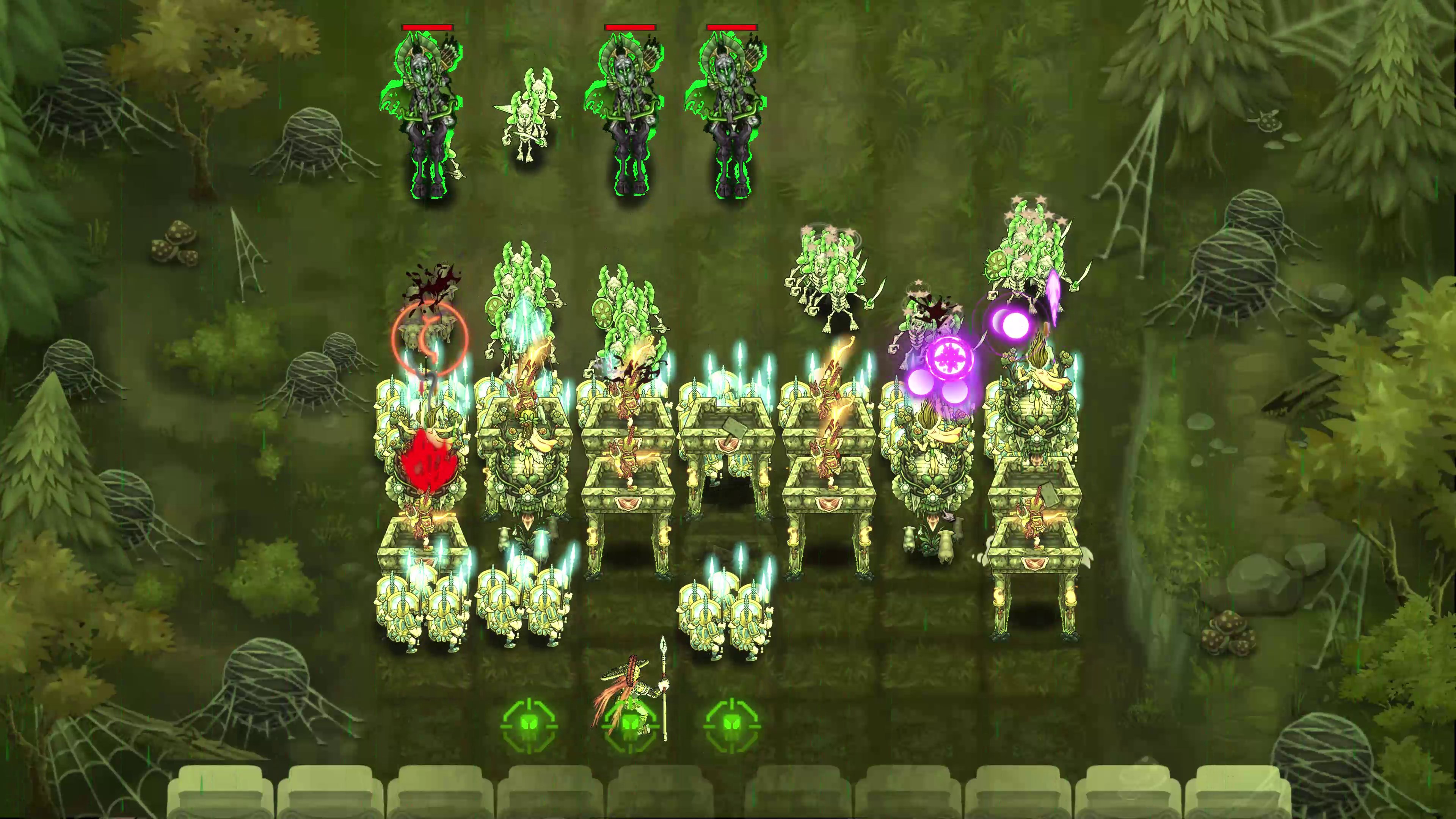
Visually, Achilles: Survivor is clean and functional. The graphics aren’t flashy, but the enemy variety is excellent, and the tower effects are satisfying. It’s built for performance, and it runs well even when the screen is flooded with enemies. Legendary Hoplite has a more stylised look, with crisp sprites and detailed animations. The lane-based format keeps things readable, and the UI is intuitive. Both games know their limits and play to their strengths.
So which should you go for? If you want a roguelike auto-shooter with tower defense mechanics, bite-sized runs, and a ton of unlockable characters, Achilles: Survivor is a bargain. It’s fast, addictive, and surprisingly strategic. You’ll spend hours and hours chasing the perfect build, and the price point is absurdly low for the content on offer.
If you prefer direct control, lane-based strategy, and the satisfaction of building and commanding an army, Legendary Hoplite is your game. It’s tougher, more granular, and demands more from the player. But it also offers deeper tactical options and a more traditional sense of progression.
Both games are love letters to Greek mythology, reimagined through the lens of modern indie design. They’re not AAA blockbusters, but they don’t need to be. They’re focused, fun, and full of clever ideas. And if you’ve ever wanted to stand alone against the hordes of Hades, spear in hand or lightning tower at your back, they’ve got you covered.
Achillies: Survivor and Legendary Hoplite are both available now for PC and Xbox One Series consoles.

Comments are closed.