

Back to the Dawn is a game that sneaks up on you. At first glance, it looks like one of a thousand pixel art throwbacks — the kind of game you might expect to find buried in a Steam sale bundle. The longer I played it, though, the more I realised that beneath the retro aesthetic lies a surprisingly deep, choice-driven RPG that’s as much about social manipulation and moral ambiguity as it is about escaping the prison in which it’s set.
Taking place almost entirely within the walls of Boulderton penitentiary, Back to the Dawn casts players as one of two protagonists: Thomas, a journalist who’s been framed for a crime he didn’t commit, or Bob, a secret agent with a murky past and a mission that’s anything but straightforward.
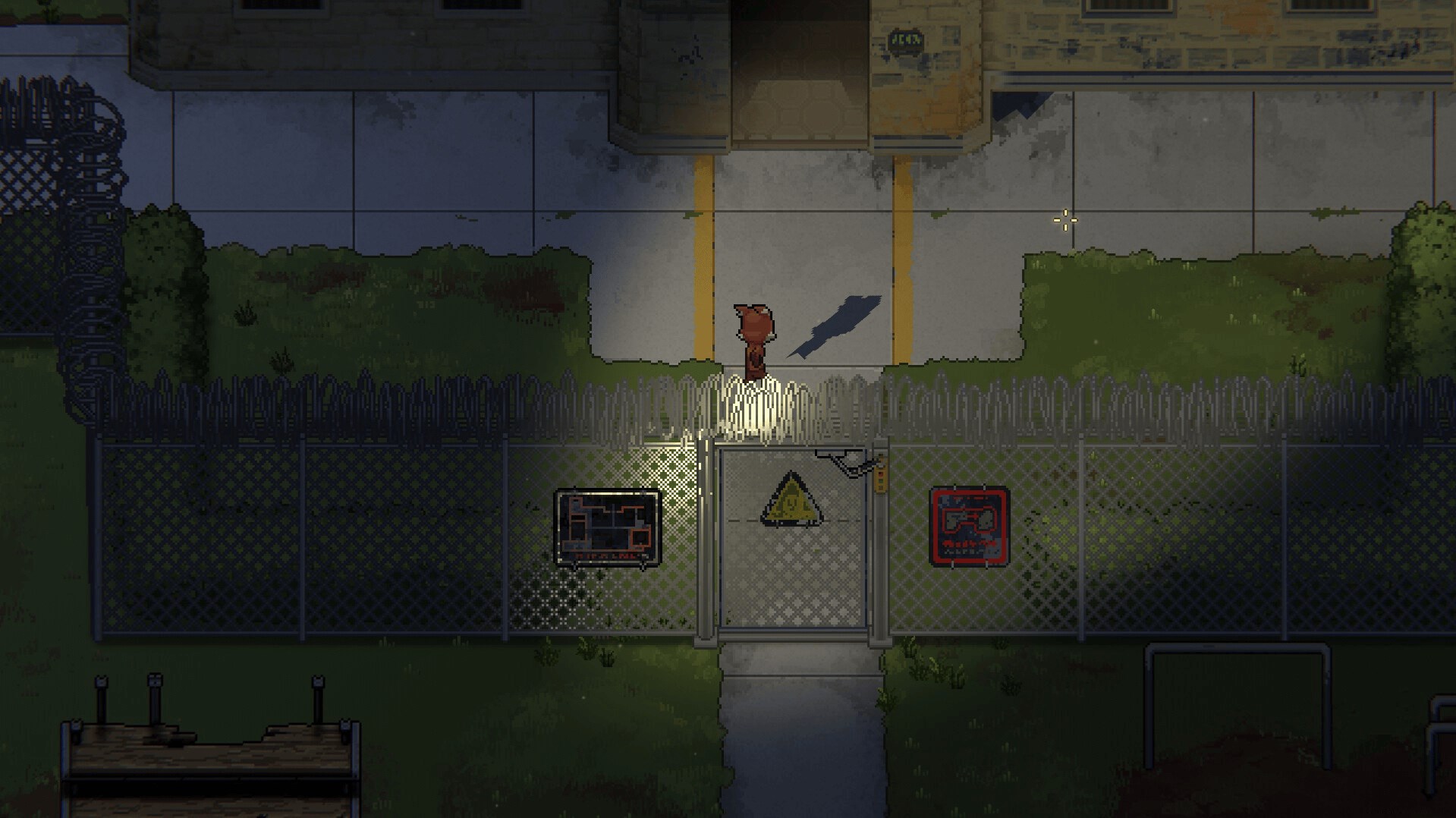
Choosing a character is more than just a cosmetic decision — each character has their own story arc, unique interactions, and multiple possible endings, both good and bad. Back to the Dawn actively encourages multiple playthroughs, and it’s easy to see why. Every decision you make — every conversation, every alliance, every betrayal — nudges the story in a different direction.
At its core, Back to the Dawn is a social RPG—- a subgenre where, probably, Disco Elysium is the current standout choice. There’s (turn-based) combat, sure, and a bit of stealth here and there, but the real meat of the game lies in how you interact with the other inmates, the wardens and the other characters who might have reason to be there. This isn’t a prison break simulator in the style of The Escapists, with the similarities ending at the look and the setting.
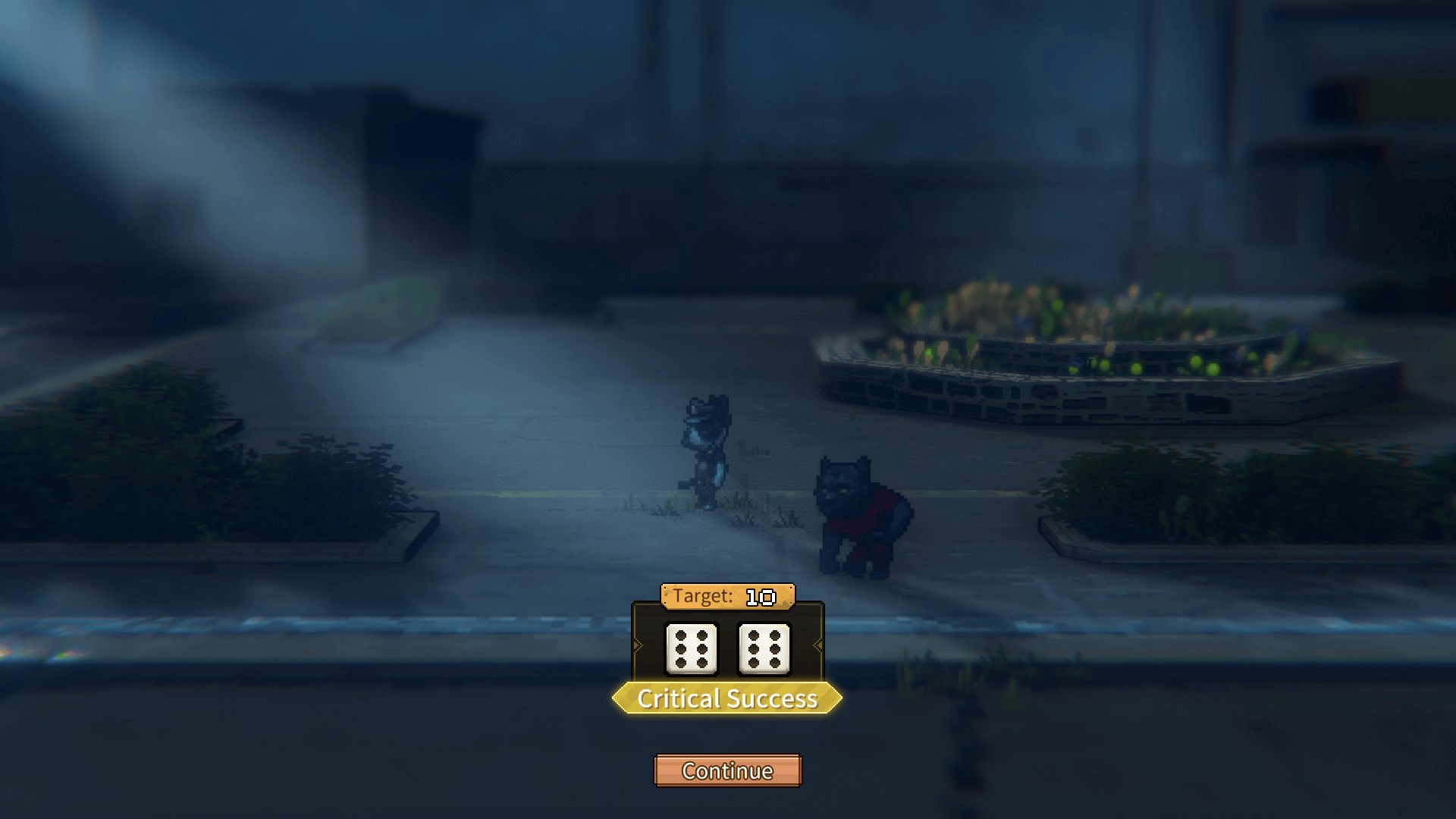
On that note, you’re not digging tunnels or crafting shivs (well, not just that). Instead, you’re navigating a complex web of relationships, factions, and power dynamics. You’ll need to earn trust, manipulate rivals, and sometimes (often) make morally grey choices to survive — and maybe even escape.
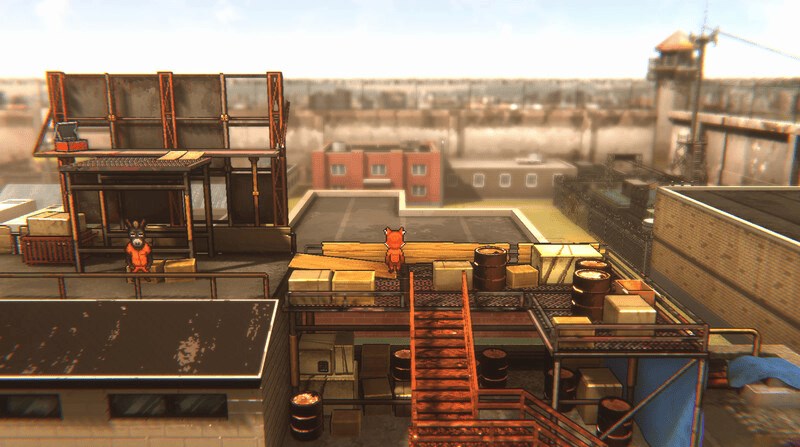
The prison itself is a character in its own right. It’s a sprawling, multi-layered environment filled with secrets, side quests, and colourful personalities. From the grizzled lifers to the twitchy newcomers, every inmate has a story, and most of them have something they want – or something they’re hiding. The writing is sharp and often surprisingly funny, with a tone that balances the grim setting with moments of levity and absurdity. It’s not afraid to get dark, but Back to the Dawn rarely feels gratuitous.
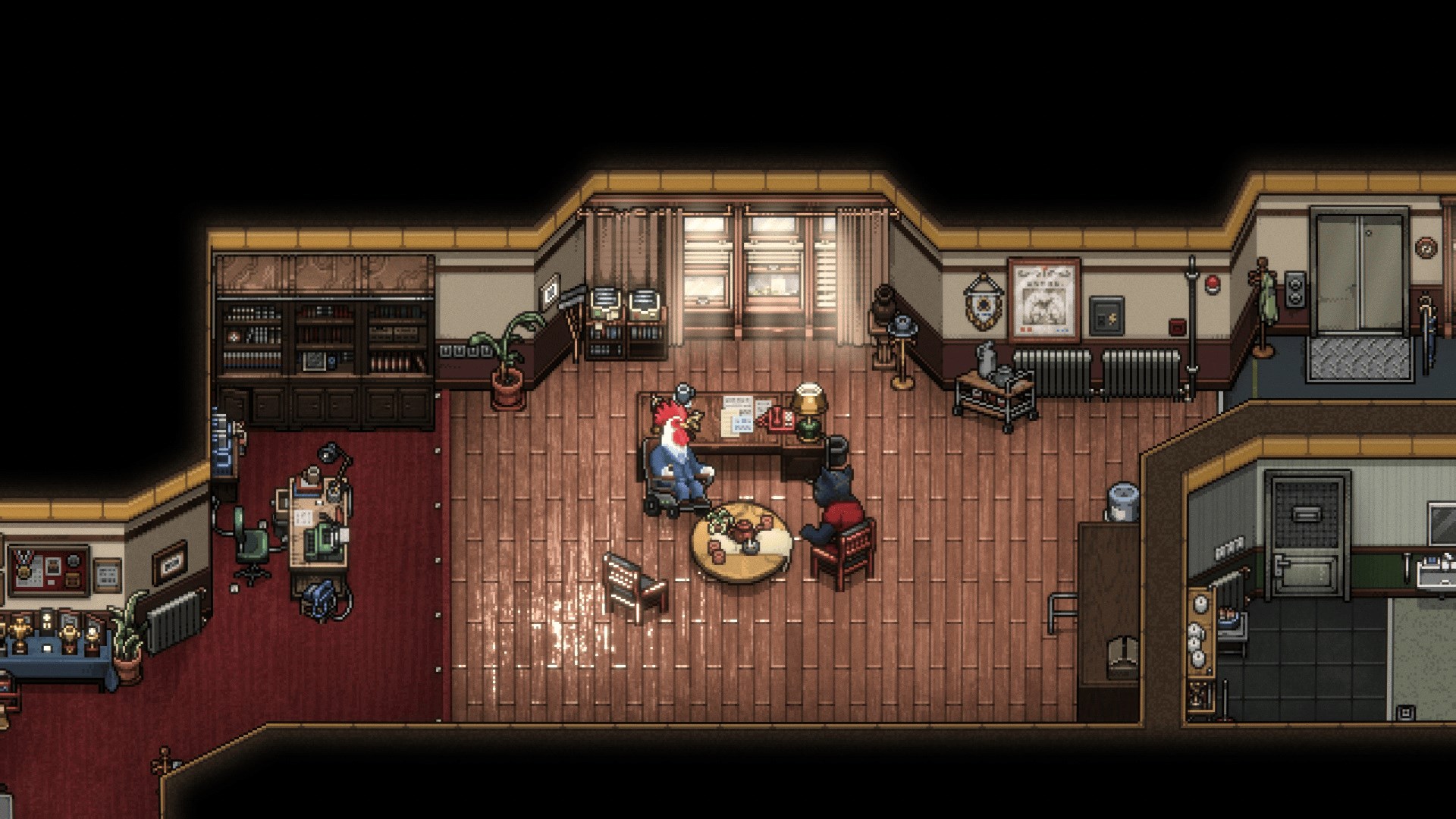
What really sets Back to the Dawn apart is how it handles choice and consequence. This isn’t a game where you pick “good” or “evil” from a dialogue wheel and watch the same cutscene play out whilst a “morality slider” moves. Player actions ripple through the prison in subtle, sometimes unexpected ways. Help one inmate and you might earn a powerful ally — or make a dangerous enemy. Rat someone out and you might gain favour with the guards, but lose access to a crucial questline. The game doesn’t hold your hand, and it doesn’t always tell you when you’ve made a mistake. That ambiguity is part of what makes it so compelling.
Both Thomas and Bob offer distinct experiences. Thomas’s story leans into investigative elements — gathering evidence, uncovering conspiracies, and trying to clear his name. Bob, on the other hand, is more about espionage, subterfuge and perhaps on finishing fights decisively. He’s not just trying to survive; he’s on a mission, and that mission can go very differently depending on how you play. The fact that both characters can reach multiple endings — some triumphant, others tragic — adds a layer of replayability that’s rare in games of this scale.
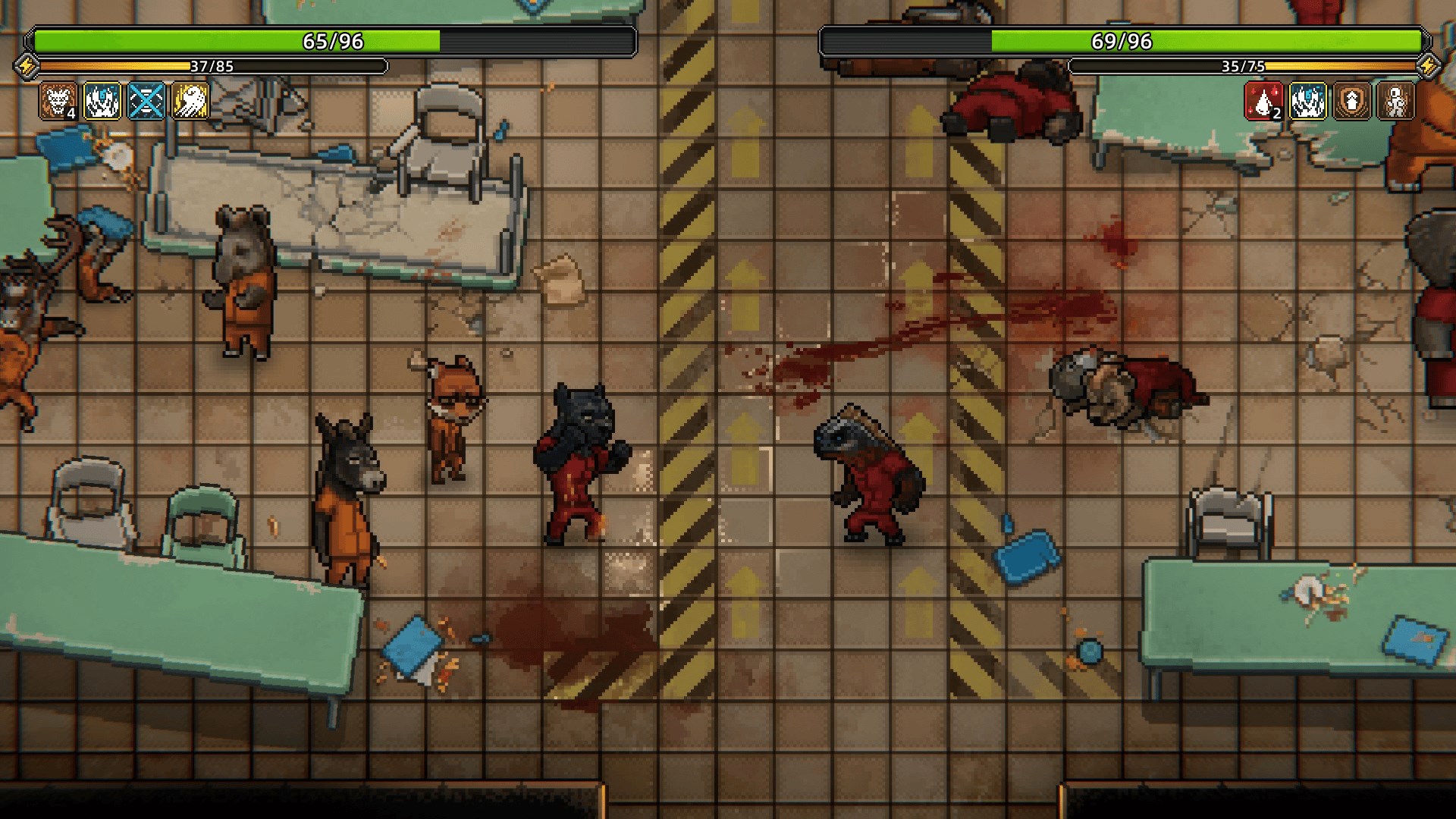
Visually, Back to the Dawn is a treat assuming you like this kind of look. The pixel art style is classically old-school, evoking the golden age of 16-bit RPGs, but it’s paired with smooth, expressive animations that give it a modern edge. Characters emote clearly, environments are packed with detail, and the whole thing moves with a fluidity that belies its retro aesthetic. It’s a great example of how pixel art can still feel fresh and contemporary when done right.
The soundtrack deserves a mention too. It’s moody and atmospheric, shifting from tense to melancholic and then hopeful depending on what’s happening on screen. It never overwhelms the action, but it always enhances it — the kind of score that quietly gets under your skin.
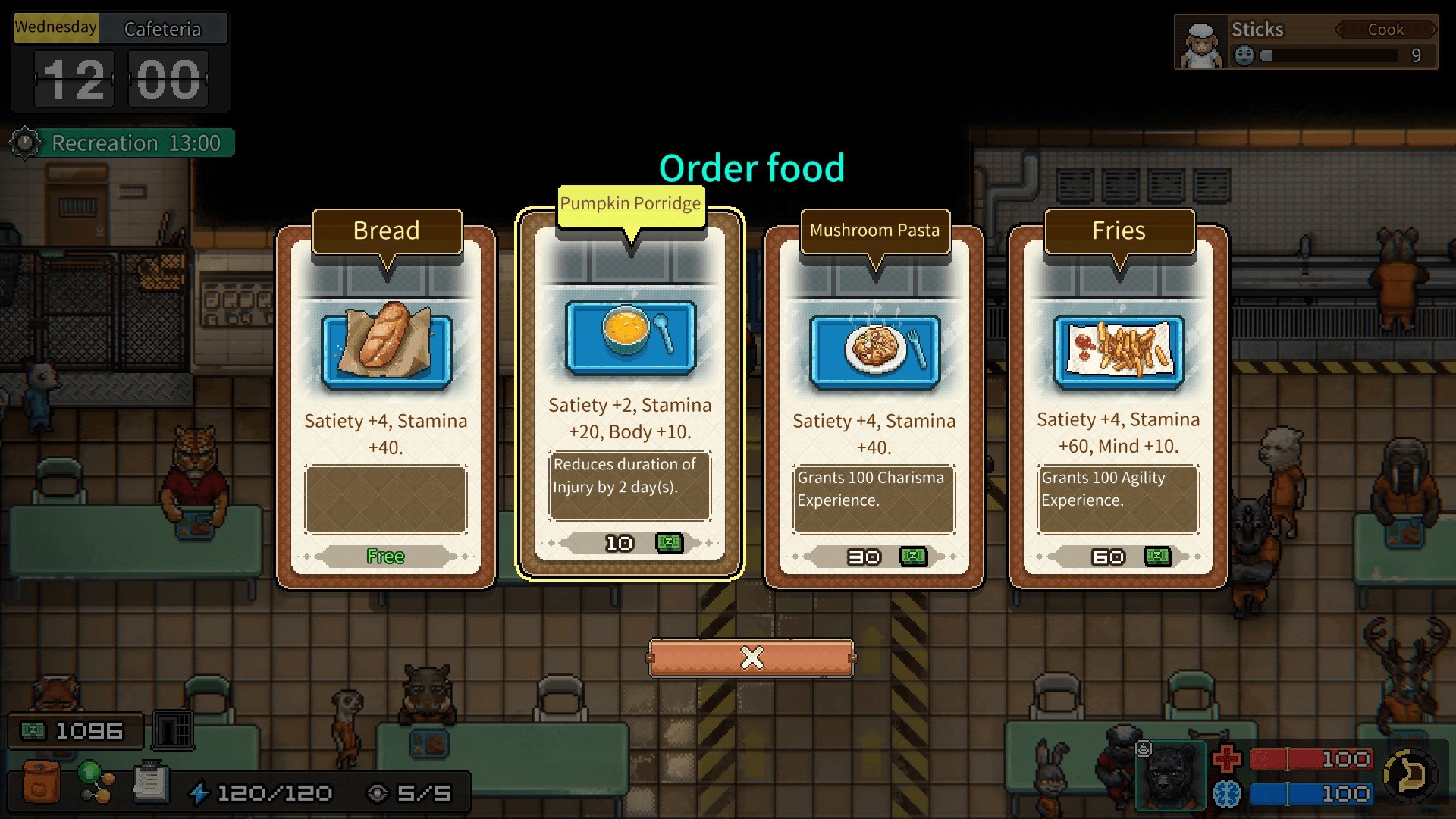
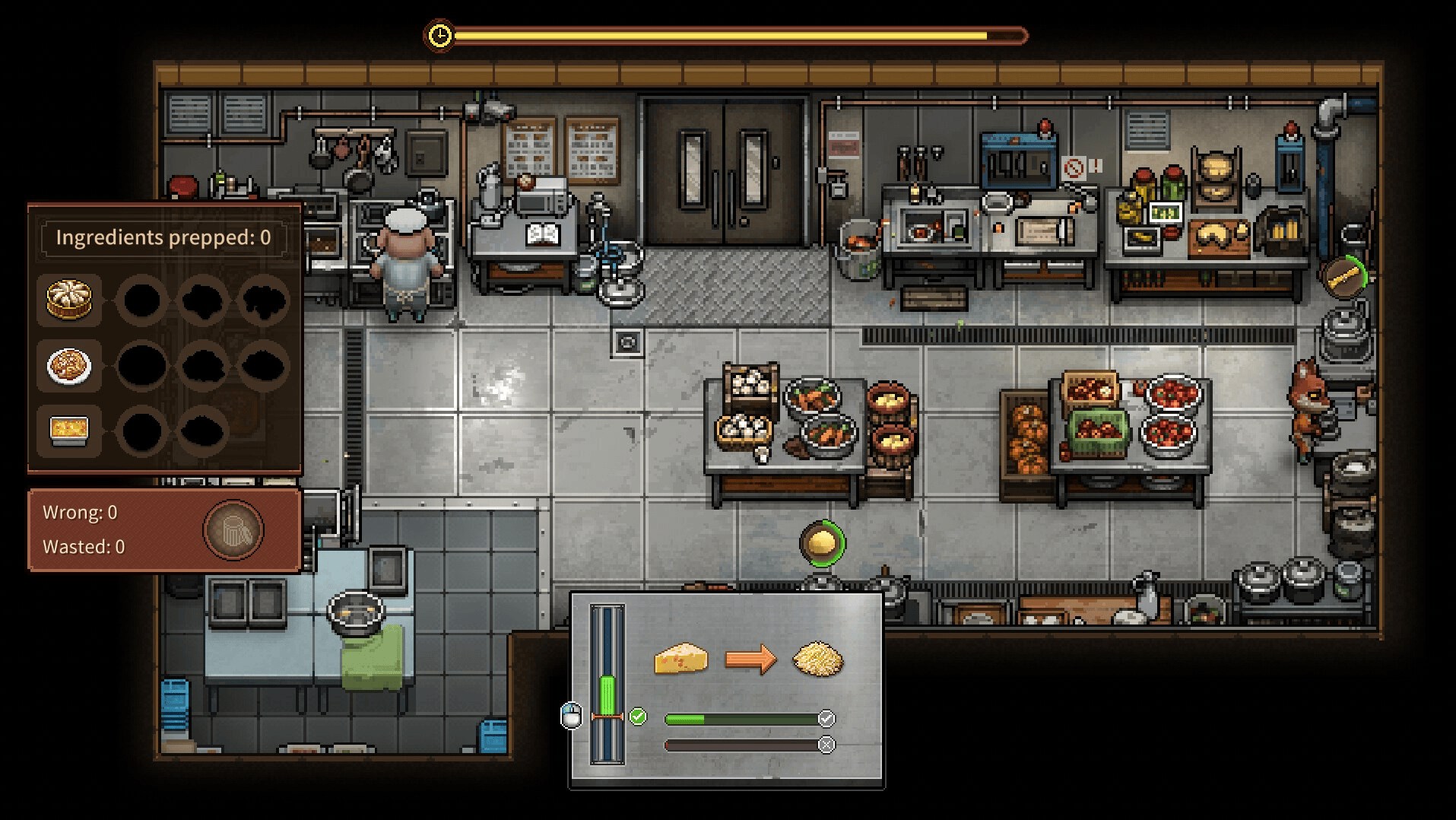
Mechanically, Back to the Dawn is solid. There’s a light crafting system, some turn-based combat, and a skill tree that lets you tailor either character to your preferred playstyle. Want to be a smooth talker who can charm their way out of trouble? Go for it. Prefer to sneak around and avoid confrontation? That’s viable too. The systems aren’t overly complex, but they’re deep enough to support a variety of approaches. And because so much of the game is about social interaction, your build can have a real impact on how the story unfolds.
That said, Back to the Dawn isn’t without its rough edges. Some of the UI elements can feel a bit clunky, especially when managing inventory or navigating dialogue trees. There are occasional pacing issues, particularly in the mid-game, where progress can feel a bit grindy if you’re not sure what to do next. And while the writing is generally strong, there are a few moments where the translation feels a little off — not enough to break immersion, but noticeable.
It is perhaps also quite noteworthy that Back to the Dawn takes place over 21 in-game days, and then it ends — regardless of what you’ve achieved or otherwise. There’s a memory recall feature that helps the player save time based on “things they’ve already experienced” but this has a limited time window and doesn’t really reduce the overall 10-ish hour playtime of each run. I guess what I’m saying here is that to see everything Back to the Dawn has to offer across both characters is going to take a lot of time and patience, even though the game does well to avoid outright repetition.
Still, these are minor quibbles in what is otherwise a remarkably ambitious and well-executed game. It’s clear that the developers poured a lot of love into Back to the Dawn, and that passion shines through in every pixel, every line of dialogue, and every branching path. It’s a game that respects your intelligence, rewards your curiosity, and challenges you to think carefully about the kind of person — or prisoner — you want to be.
In a market flooded with open-world epics and live-service behemoths, Back to the Dawn feels refreshingly small, clever and focussed. It knows what it wants to be — a deep, choice-driven RPG set in a single, richly detailed location — and it delivers on that promise with style and substance. Whether you’re drawn in by the pixel art, the branching narrative, or the chance to roleplay as a wrongly accused journalist or a morally flexible secret agent, there’s a lot to sink your teeth into here.
Perhaps most importantly, Back to the Dawn is a game that wants you to come back. Not because of daily quests or unlockable cosmetics, but because you genuinely want to see what would happen if you made a different choice, sided with a different faction, or played as the other character. That kind of replayability is rare — and it’s what could make Back to the Dawn one of the most compelling indie RPGs of the year.
Back to the Dawn is available now for Windows PCs.
