

In a world where three indie titles were vying for Game of the Year at The Game Awards for the first time in its history, there’s more motivation than ever for small or even solo devs to crack on and create something. Among the list of new dev teams are Marmot Lab, a team of just two people creating open-world puzzler The Valley Beyond. The project is recognisable as a “first game”, but if you’re armed with that knowledge and can pretend the game released to Early Access rather than in full, then The Valley Beyond’s 2-6 hour runtime could be of interest.
The core vision and direction of The Valley Beyond is solid. The idea of being lost in this open-air museum filled with little trifling puzzles as well as more intense “Masterpieces” provides varying levels of challenge, chances to explore between each exhibit, and an opportunity for the impressive view-distances to really “wow” you. You’re dropped into the world and told to get started in any way you see fit. The only on screen elements are your character and the green energy beam running down their spine, which is your life gauge. Then, like a puzzle-solving Isaac Clarke, you’re off.
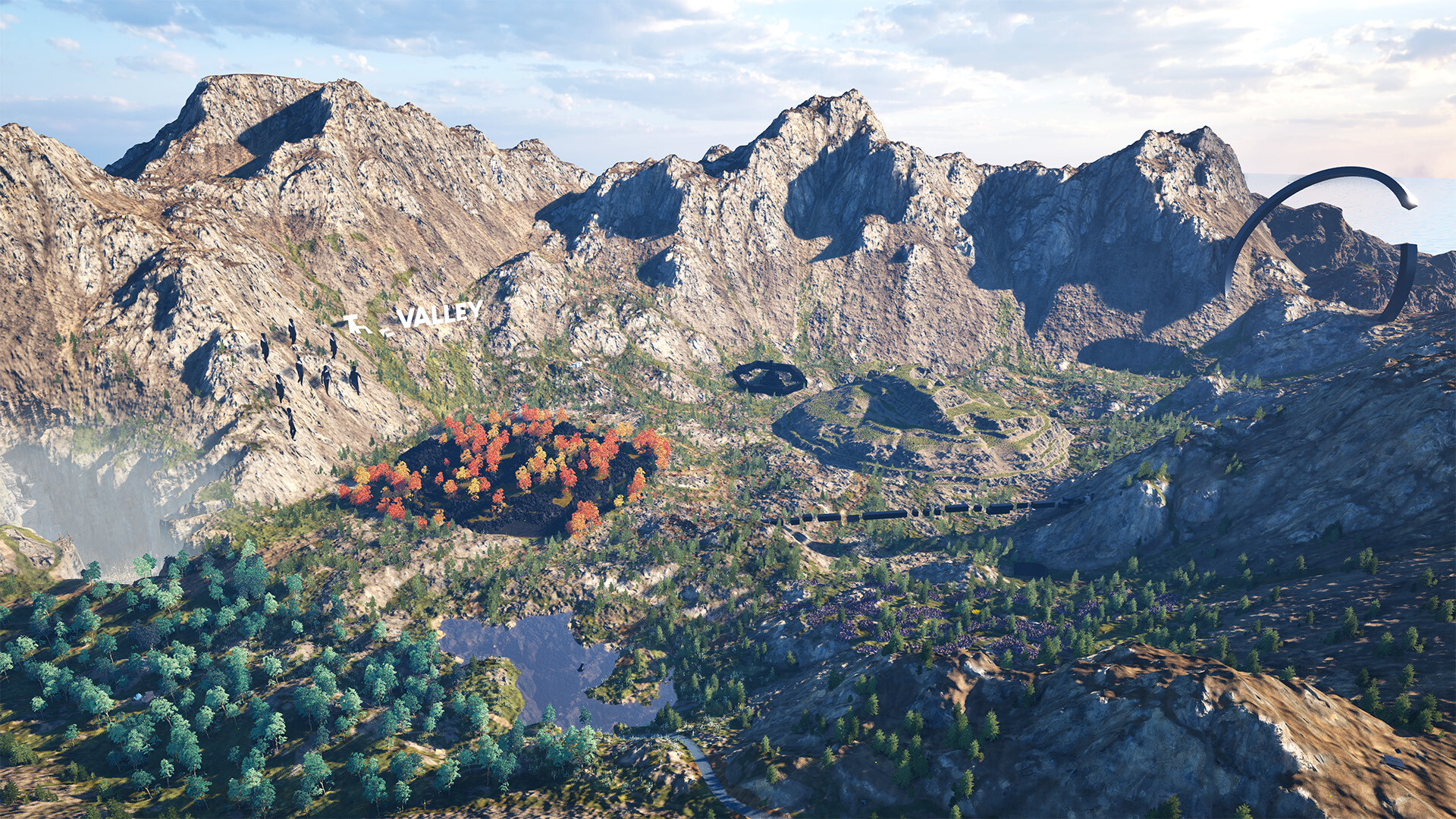
Things like reaching the top of a mountain for an exhibit, only to look around and be able to trace your route through the world to that point, with all the little artworks you solved on the way being visible (And all the ones you missed now easier to find!) make the concept of The Valley Beyond intriguing. Another example is a puzzle involving a huge hex-based wall. The revelation of a staircase in the darkness of the wall is reminiscent of the bridge in the finale of Indiana Jones and the Last Crusade. Execution of these ideas is another kettle of fish, but the core philosophy and design behind The Valley Beyond does work, and could produce a truly excellent final game if given the attention and time it needs.
Life is good because it is varied
In addition to the “Artworks” and “Masterpieces” there are also environmental interactions and items. Similar to how in The Witness the puzzles slowly shift from being on tablets to being embedded in the world. The Valley Beyond doesn’t reach near that level of symbiosis between world and puzzle, but the contrast between the “Art” puzzles and “Real world”/environmental ones is intriguing enough to keep things interesting as you run about the park.
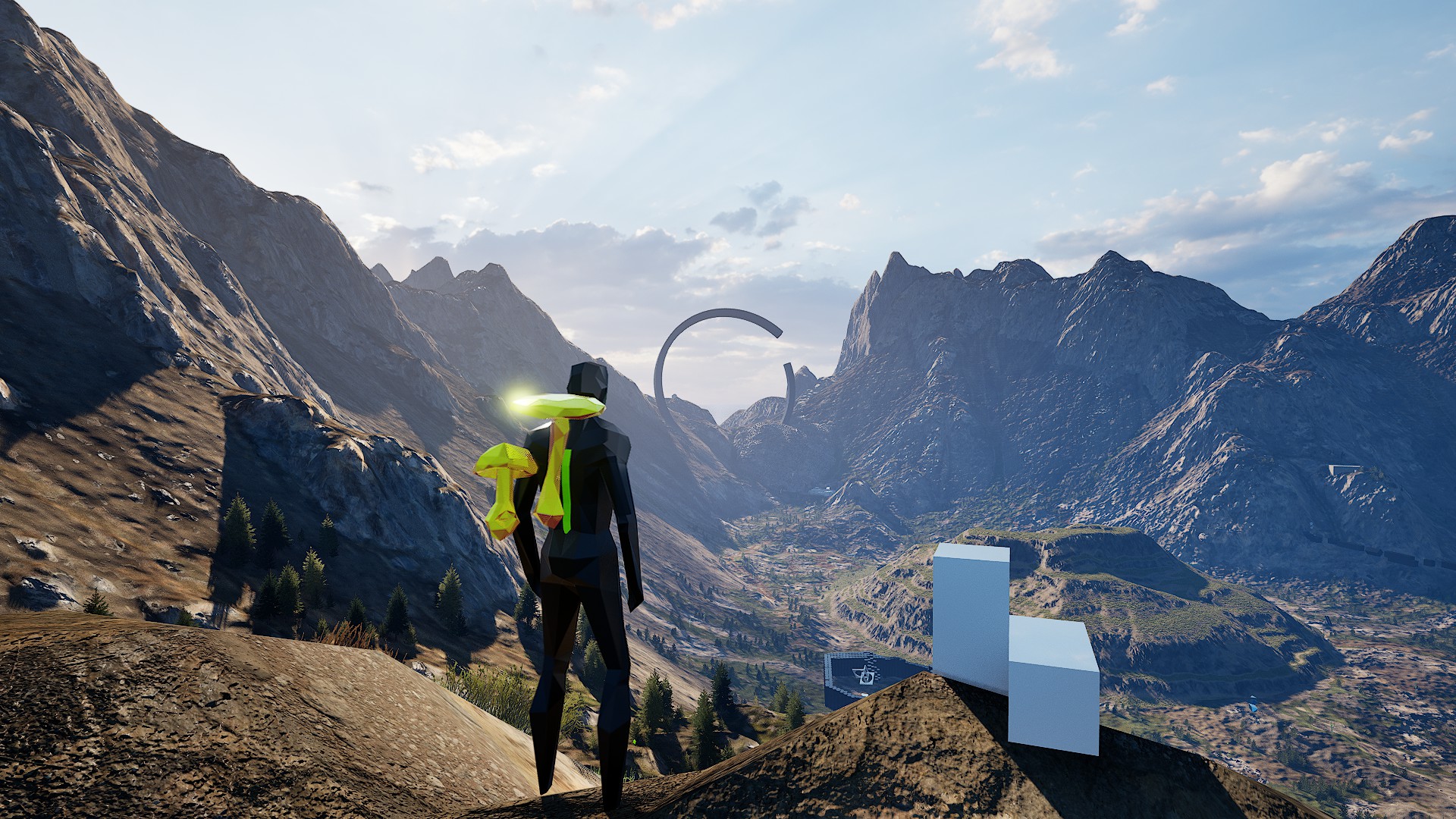
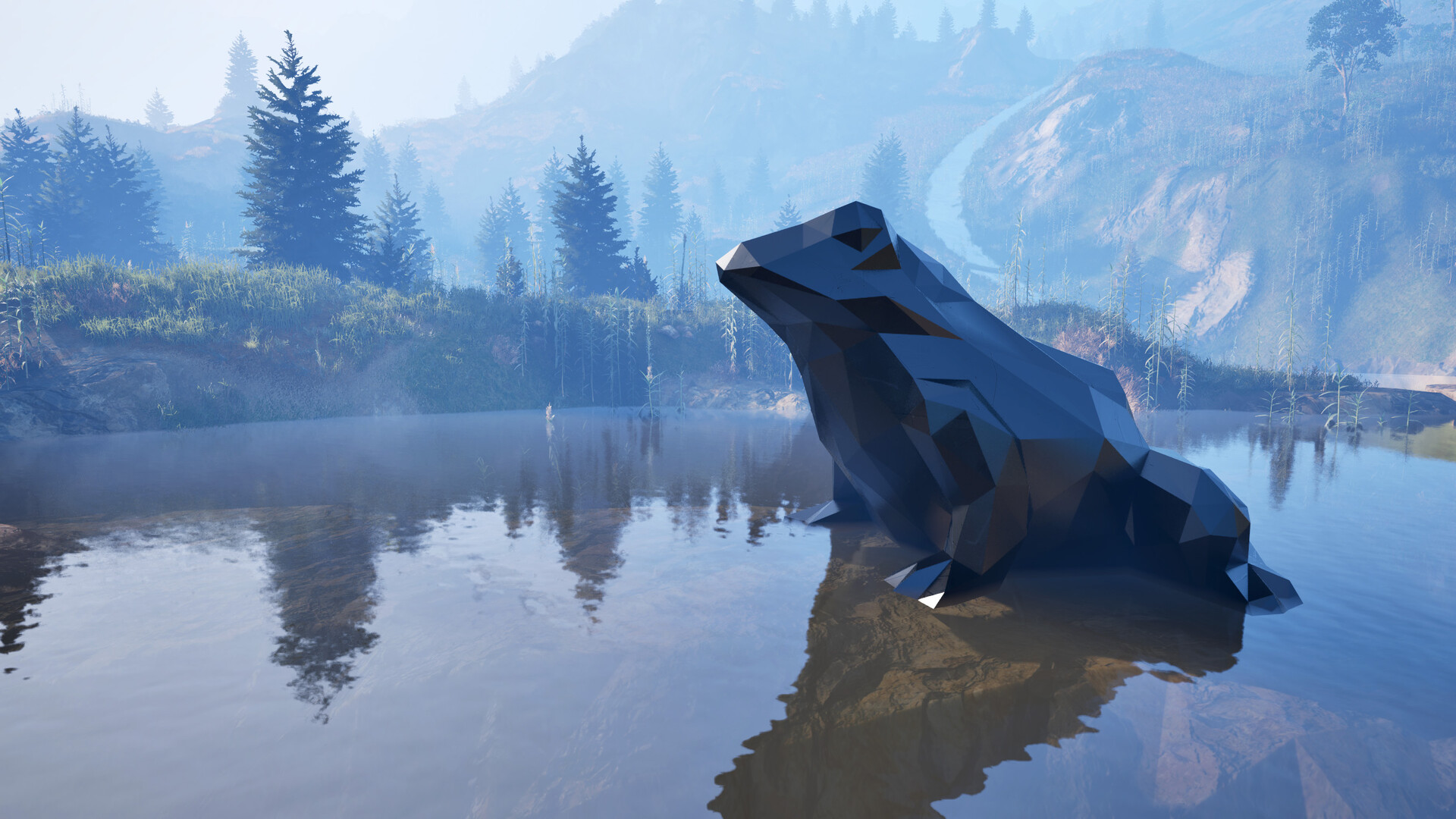
There’s also “Lost Art” and “Animals”, these are simple statues that can be found in particularly hidden or hard-to-reach spots. Finally, there’s “Tetra”, stacks of three cubes which play jingling music. Like an Argonian madly hunting for the hum of Nirnroot you can sprint around the map listening for the tune and hunting these little bonus challenges.
Lights, camera, now we need action
Talking about The Valley Beyond makes the idea and potential exciting all over again, however it would be disingenuous not to recognise the state of the product as-is. While the core game functions well enough, it feels like the world has done “Lights” and “Camera” but is yet to properly implement “Action”. It’s a world that fits all the puzzles, provides great sight-lines to key elements and has many hidden secrets. But, despite that, it doesn’t feel like a world ready to be played in.
With traversal between exhibits being such a large part of the game, some more engaging mechanics wouldn’t go amiss. There’s a lot of holding W and Shift, and even though the world you’re sprinting through is interesting and full of little puzzles to do — and animated wildlife to see — there could stand to be more interesting traversal. Something like Final Fantasy 15’s timed sprint that you can actively recharge by timing your input, or music that reacts to your footsteps and changes based on the surface you run on. It’s not that the world is empty, because it’s actually incredibly filled with exhibits and Tetra throughout – but travelling in it still feels empty without music, or reactive footstep sound; any audio-visual feedback or reason to press an input would be welcome.
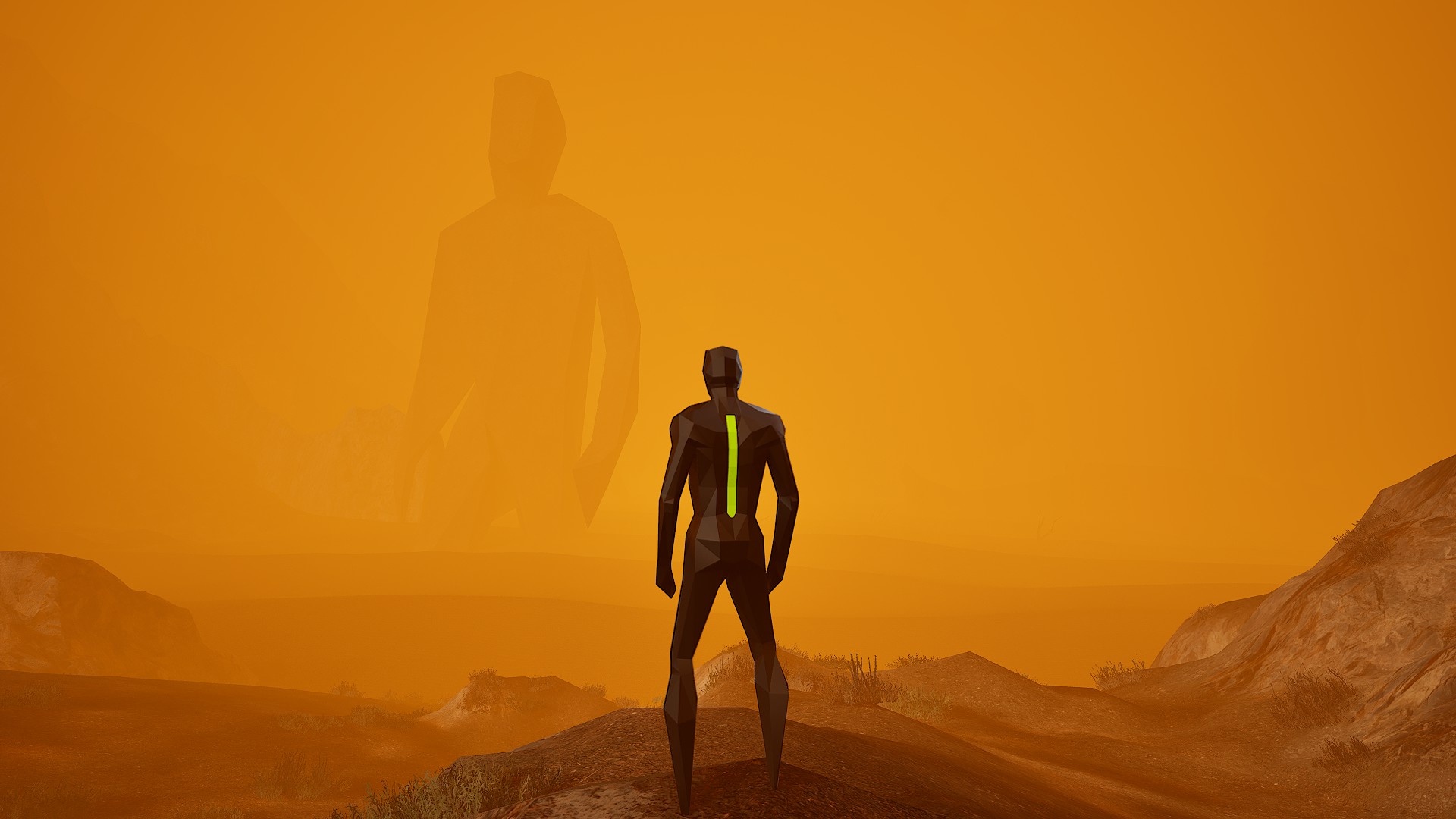
Similar issues include:
An energy seed isn’t a full refill of your life / timer, which can make peaceful exploration and the idea of “patience”, which the game mentions multiple times, a little at-odds with actual gameplay.
The lack of a unique death animation means there’s no pay-off for failure. If the crystalline character tragically shattered upon hitting the ground the reaction would be “Oh, right, why did I not expect that?” rather than the current understated flop and respawn. It’s a little detail, but in a game clearly wanting you to take your time and observe, the death animation could use some flair. Not to mention, it would provide some visual feedback and variety when failing, which is just as important as the feedback you get for succeeding.
There’s no consistency in where you can and can’t walk without sliding down hills. The game insists that grass is safe and rocks are slippy, but in my 4 hours there was no consistency in that rule. It can lead to situations where the world isn’t communicating clearly enough where it is valid and invalid to move, which can lead to frustration as the incorrect route is “labelled” by grass.
It also bears noting that the game does use AI for translation and voice work of the narrator. As far as we are aware, no assets for the game world or any art has been AI generated. It’s a shame not to have a voiced narrator, as other exploration-puzzle games like The Stanley Parable are built on the work of a talented voice actor – but when two people want to craft a game of this nature and include dialog for exploration, each art piece and other interactions the resort to AI might seem inevitable in 2025. Nonetheless, it might be jarring to play a game that mentions “art” so much and yet has AI voice lines.
But, even with these issues, I want to get to the puzzles. I want to find the wheel and unlock the waterways and make a new river on the mountain. I want to know what is possible in this world. There’s a core joy and curiosity the game wants to tap into, it just needs to be polished enough to communicate that to a player in a way they will enjoy.
A core idea worth taking the time to explore
The dev team are incredibly proactive, with a glitch that I experienced and reported fixed within the day, and even the idea for a more unique death animation being worked on too. If this had been an Early Access release, I’d be more comfortable with that sort of approach, but as a full release it does feel a little lacklustre.
With more players trickling in I am sure the game will only improve. Once again that makes Early Access seem like the best option rather than going straight to release, but I don’t know the logistics of running EA on the Steam side so this might have been their only viable option.
Hopping in to experience the vision and idea of the game, get a few hours of puzzling exploration, and then calling it a day is a valid approach to this. If players go in thinking it’s the next The Witness, they’ll be disappointed. But, measure your expectation (and maybe wait for a few updates) and The Valley Beyond could turn into a great example of how a first-time dev can create something interesting, varied and engaging. Not every game needs to be the best at everything, and the core vision of The Valley Beyond is solid enough to build a successful game around.
The content is there, and the ideas abound, but it should also be engaging to play that content and in turn experience those ideas. This isn’t a request for map markers and Yellow Paint, but for more interesting traversal mechanics and a higher degree of polish. Not being stuck working out which hills are walkable for 30 minutes and if failures were met with a dramatic explosion of crystalline body parts then I can imagine being engaged with The Valley Beyond for a few more hours.
My hat’s off to the dev team at Marmot Lab and best of luck in crafting this combination of exploration and art.
The Valley Beyond is available now on Steam
