

Star Wars: Zero Company is a fast, character‑driven tactics game that both looks fantastic and absolutely drips with Star Wars theme. It looks cinematic — and it absolutely is — but beneath the spectacle sits a classic, readable ruleset that punishes hesitation and slow build-up play, rewarding decisive and aggressive advancement across the map.
Like any turn-based tactical shooter, Star Wars: Zero Company expects you to know the basics: movement and cover matters, and small, repeatable actions often beat big, high AP moves that sound flashy and underdeliver.
To ensure success, every activation should be taken with purpose: reposition to threaten, use an ability to change the state of the map, or take a low‑risk shot to keep pressure on the enemy. The cheap, reliable and unremarkable pistol is an example of this. Firing the pistol is a 1 AP action that quietly becomes one of the most powerful tools in a beginner’s toolkit because you can often get two or even three shots away in a single turn.

There’s a lot to learn in Star Wars: Zero Company and I’ve spent quite a bit of time with it now, so here are my Top Ten (plus a bonus one) Starter Hints and Tips:
Learn the rhythm and pace of the game
Star Wars: Zero Company isn’t a game where you need to manage a grand strategic plan. In general, you need to deal with the objective in front of you as quickly and efficiently as possible. The game is designed with enemy spacing that enables most situations to be dealt with as long as you press forwards decisively. Don’t turtle up, just move your crew up efficiently and use Overwatch to stay on top of counter-offensives.
Build a squad with purpose.
Pick a clear identity for your team with highly specialised characters. Ultimately you’ll need sharpshooters, soldiers, scoundrels, healers and all the usual Star Wars tropes that I won’t spoil here, but I’ve found that Star Wars: Zero Company rewards players for going deep on specific characters and then focussing on squad composition more than it does when you build a team of generalists.
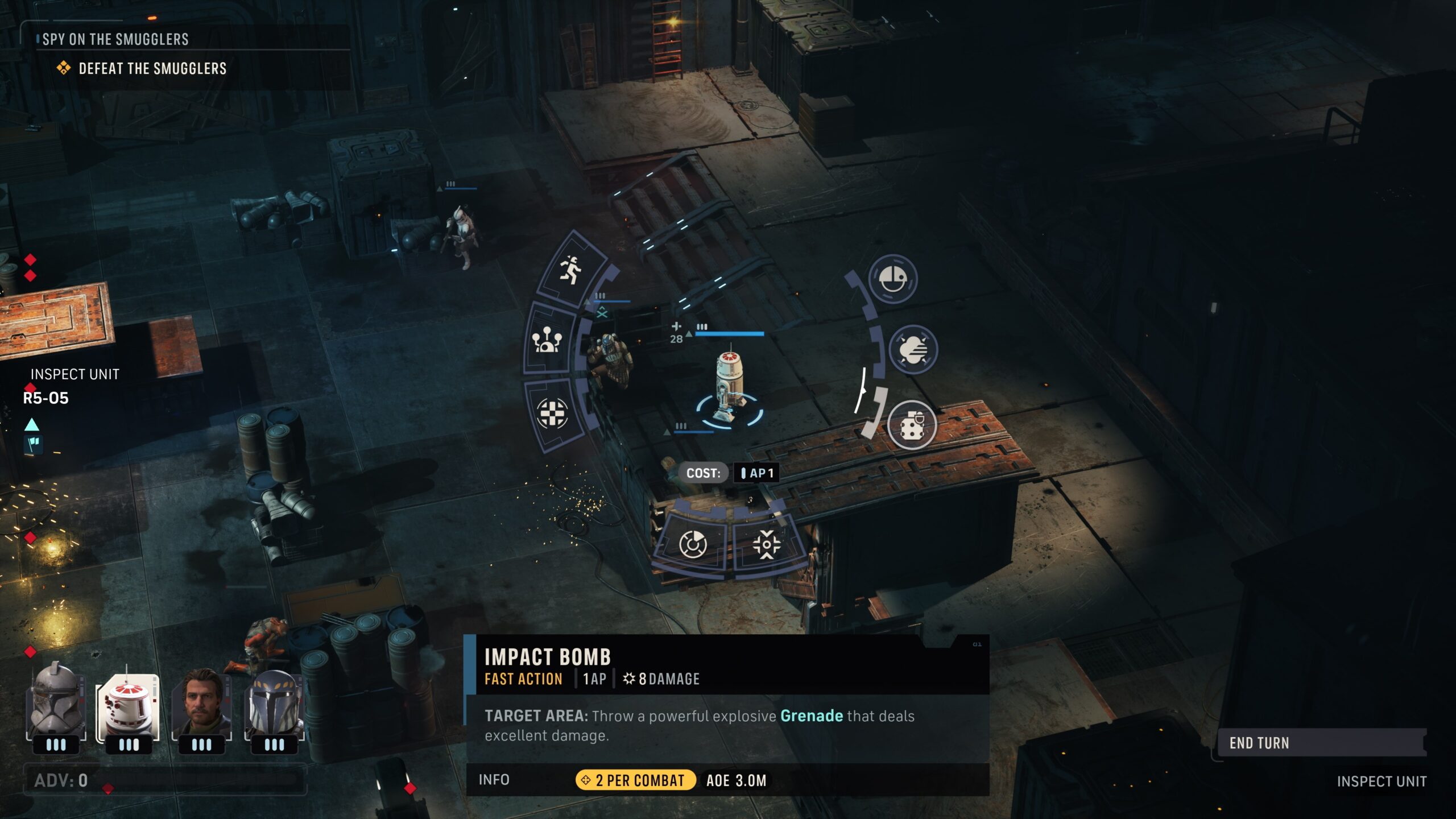
Understand the three‑Action‑Point turn.
Unlike traditional turn‑based games where an attack ends your turn, Zero Company’s system is flexible and interleaved. You can move, attack, use abilities, and even switch between Operators mid‑turn. This means the “budget” of 3 AP per Operator is not just about one character’s efficiency — it’s about how the squad as a whole sets up and pays off actions.
Read the map before moving.
Zero Company differs from games like XCOM because enemy positions are usually visible from the start. That visibility is a gift because it lets you plan openings, but it also tempts beginners into rushing forward. Reinforcements, scripted triggers, and explosive terrain can (and will) punish careless advances. The map is your first line of defense — if you read it properly, you’ll avoid wasting AP and prevent early mission collapses.
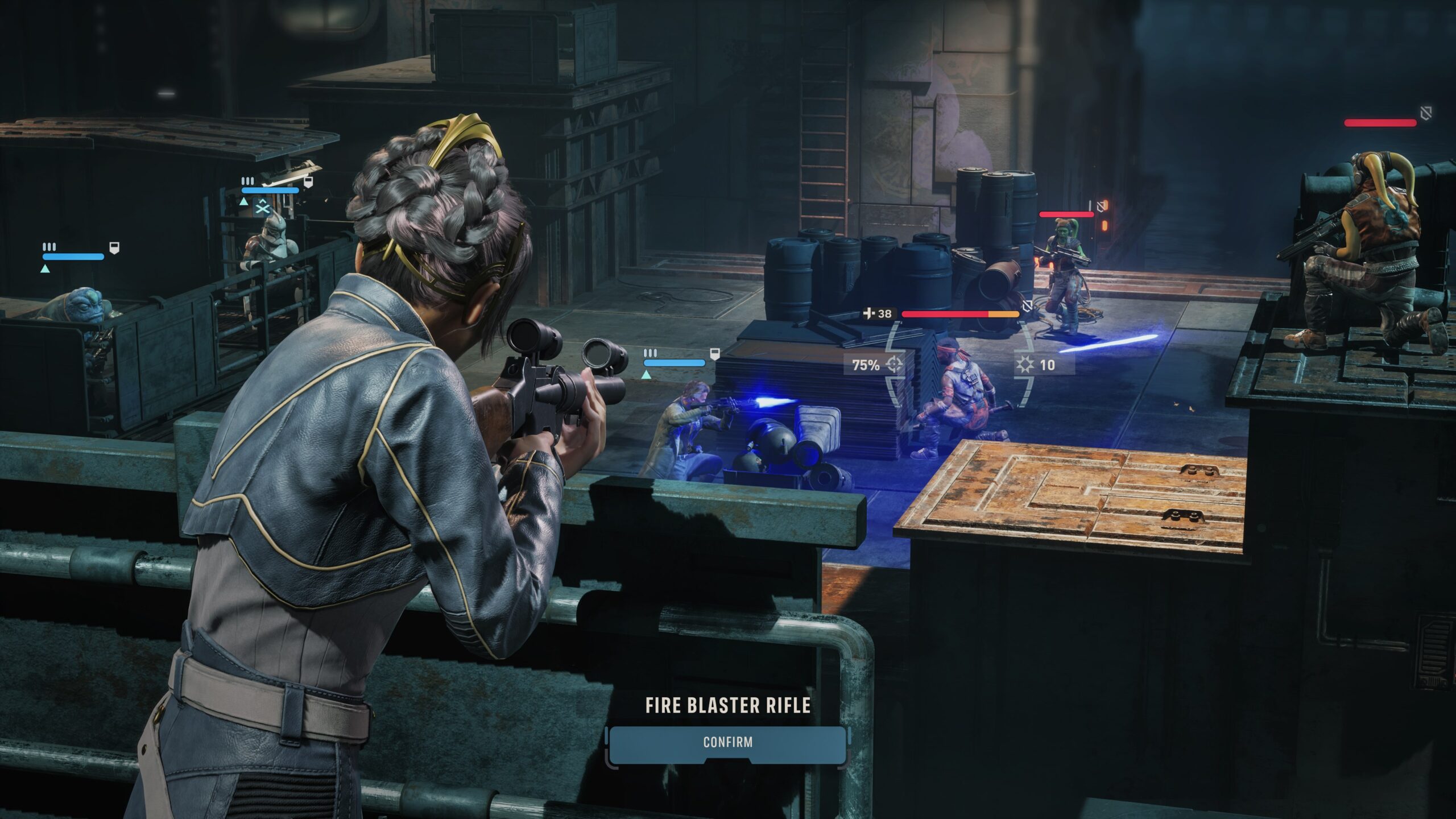
Use cover, range, and flanking together.
Cover is the backbone of Zero Company’s combat loop, but it’s not a guarantee of safety. Light cover only reduces damage modestly (around 25%), while heavy cover halves incoming ranged damage and negates critical hits from standard droids. However, if an enemy take your flank (meaning that they have a clear line of fire from either side or rear and without obstacles) then your cover bonus disappears. High ground also changes the calculation, with enemies firing from height gaining significant accuracy and critical bonuses, effectively treating your cover as if it were partial or nonexistent. Of course, this all works in reverse too, so make sure you’re the one saying “Anakin, I have the high ground.”
Treat objectives as the real win condition.
In Zero Company, most tactical missions are objective‑driven jobs, not map‑clearing contests. Each mission has a primary completion test (rescue, capture, sabotage, or elimination) and a failure condition (squad wipe, missed evac, or expired timer etc). Reinforcement waves and evacuation signals are built into the mission structure, meaning that if you linger just to kill enemies, you risk triggering extra waves or losing Operators unnecessarily.
The game is also made up of both critical missions and optional ones, the critical ones advance the story, while optional missions provide credits, Intel, or Influence. Chasing every fight delays the campaign clock and can cause missions to expire before you reach them, so bear that in mind if you don’t actually “need” extra resources.
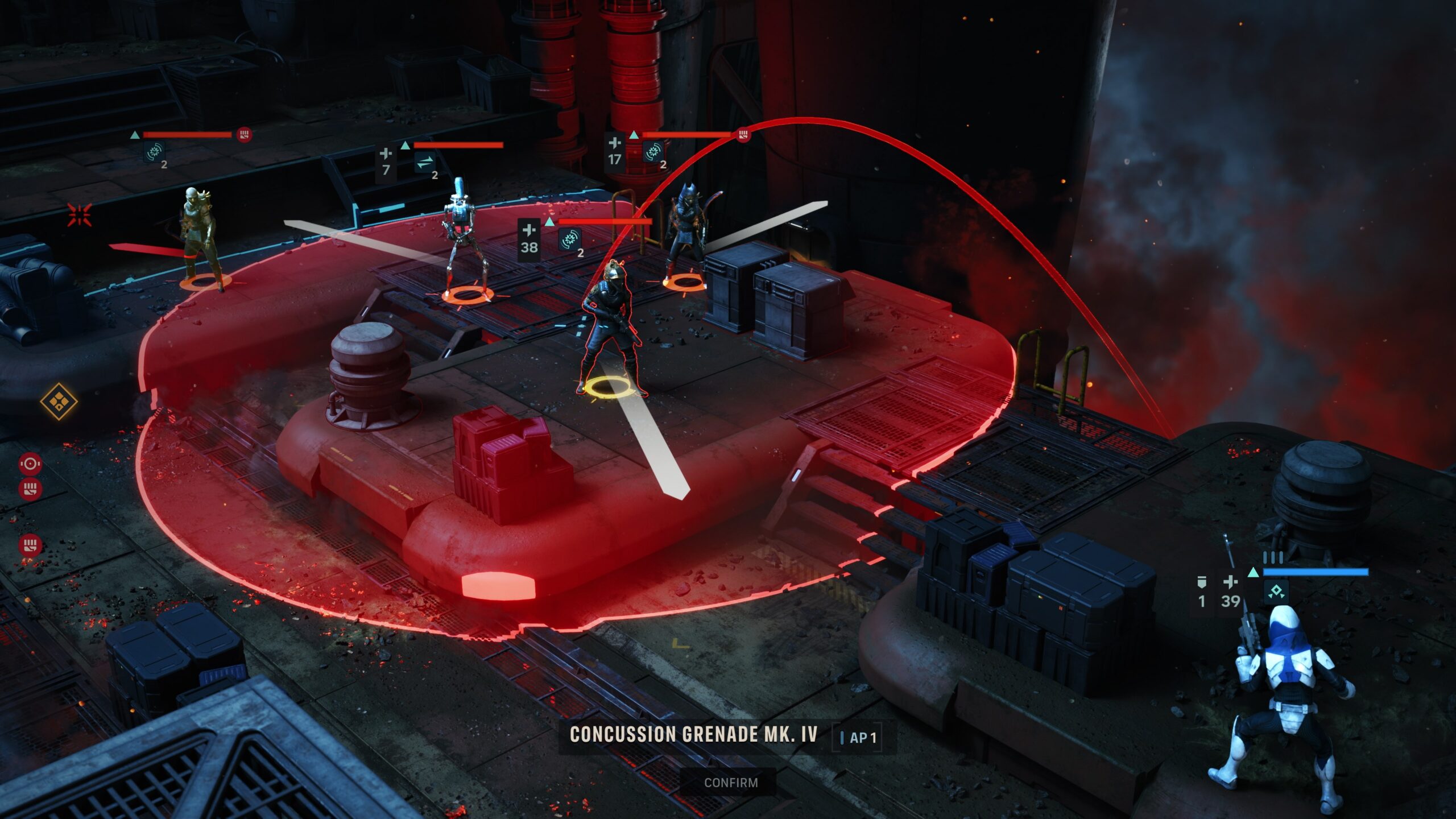
Build and spend Advantage wisely.
Advantage is a shared squad resource that is designed to reward consistency. Bank it with safe hits, then unleash ultimates or squad‑wide effects when they’ll swing the fight. Every hit, flank, or environmental interaction adds to the pool, and it’s available to the whole squad. Unlike AP (which is personal) Advantage is collective — meaning one Operator’s pistol shot can fuel another’s ultimate. This creates a rhythm of low‑risk actions that willb build towards a much bigger action.
Respect injuries before they become deaths.
In Star Wars: Zero Company, injuries are not just temporary setbacks, but represent campaign‑long penalties that reduce combat effectiveness and can lead to permanent death if ignored. Each time an Operator is Downed, they gain an Injury. Rallying them mid‑mission gets them back on their feet, but the Injury persists until treated at The Den’s Medbay. With permadeath enabled, the third Injury permanently kills an Operator, so managing wounds and rotating reserves is critical. On that note, don’t enable permadeath if you’re just starting out; it’s not sensible!
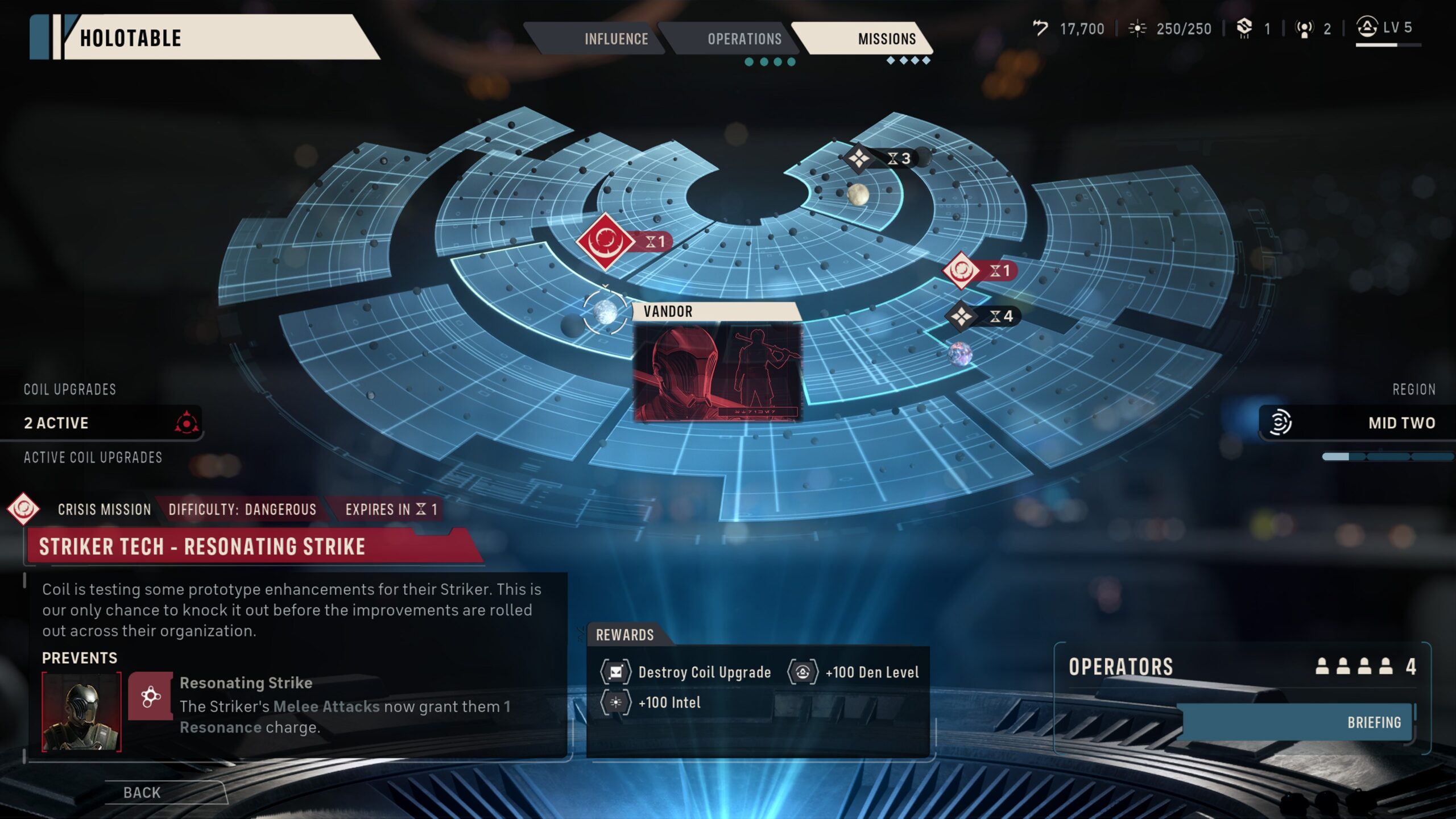
Run The Den cycle every mission.
Running The Den cycle every mission in Star Wars: Zero Company means treating downtime as an important planning phase and not just something to skip through. You should heal injuries, rotate reserves, review expiring Operations, upgrade facilities, and interact with companions before launching the next Tactical Mission each and every chance you get. Skipping this cycle risks deploying wounded Operators, missing limited‑time rewards, or wasting construction slots that could have solved bottlenecks.
Use Astromech droids.
Astromech droids in Star Wars: Zero Company are dedicated support units that don’t carry blasters but instead manipulate AP’s, defenses, and utility items. Their abilities — like Built‑In Comlink (granting allies extra AP), Enhanced Scanners (stripping enemy defenses), and Coordinated Support (giving the whole squad bonus AP) — make them important tools. Used correctly, they swing missions more often than simple brute force.

Don’t waste actions — the pistol is king.
The pistol is the most efficient weapon in Star Wars: Zero Company because it costs only 1 AP per shot, making it the cheapest and most flexible action in the game. It allows you to chip damage safely, maintain tempo, and reposition without over‑committing. When unsure of what to do, the default “pistol then move” sequence is almost always correct, as it keeps pressure on the enemy whilst potentially giving you the AP to do something else if needed.
Zero Company rewards practice and a willingness to learn from difficult losses, as is often the case in this genre. You won’t be able to escape every fight unscathed, and some missions will feel extremely punishing, but I really enjoyed my time with Star Wars: Zero Company and I think that the tactical shooter genre really works in the Star Wars universe. I hope these tips help you to enjoy the game as much as I have.
