
S.T.A.L.K.E.R: Legends of the Zone is a long overdue return to an important series

There’s a certain atmosphere that only games like S.T.A.L.K.E.R. can conjure — a blend of dread, decay, and desperate survival that’s as much about mood as it is mechanics. With the recently “enhanced” S.T.A.L.K.E.R: Legends of the Zone Trilogy, GSC Game World has brought its cult-classic series to modern consoles for the first time, bundling Shadow of Chernobyl, Clear Sky, and Call of Pripyat into a single package for Xbox Series X. These are games that were groundbreaking in their day — and while they still carry immense weight and character, their age is more apparent than ever.
Originally released in 2007, the first game in the S.T.A.L.K.E.R. series (Shadow of Chernobyl) was a revelation. It dropped players into the irradiated wasteland of the Zone — a fictionalised version of the Chernobyl Exclusion Zone — and let them loose in a world that was as hostile as it was haunting.
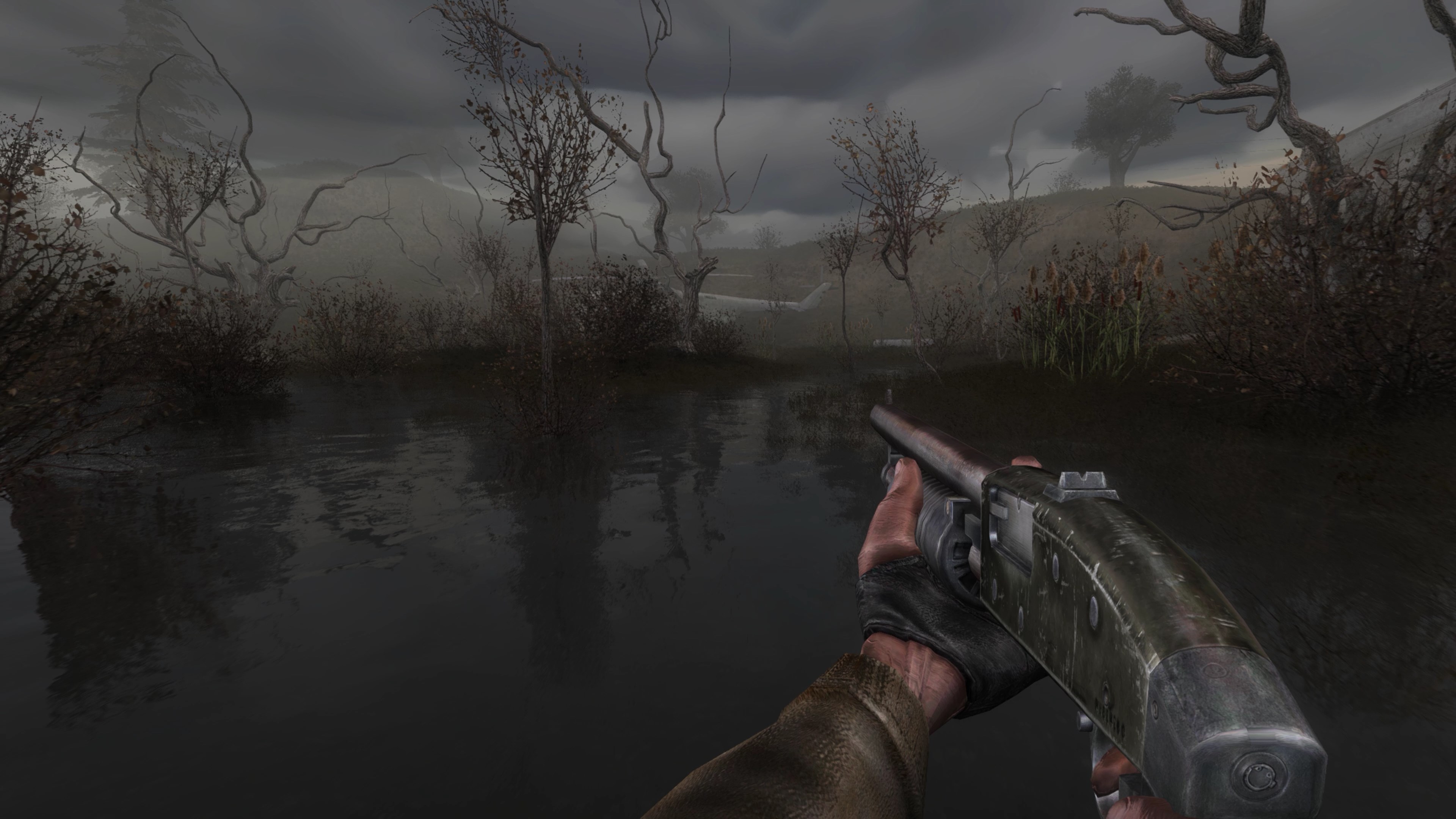
The game’s blend of open-world exploration, survival mechanics, and emergent AI behaviour was years ahead of its time. It wasn’t just about shooting mutants or looting gear — it was about surviving in a place that felt both alive with NPC’s going about their business and deeply indifferent to your presence at the same time.
On Xbox Series X, Shadow of Chernobyl benefits from the recent “enhanced” treatment as a free update — although it was originally released in a more original form. The resolution is higher, the frame rate is smoother, and the lighting has been subtly improved, but this is still very much the original game – inventory management is clunky, the UI is dated, and the tutorial is practically non-existent.
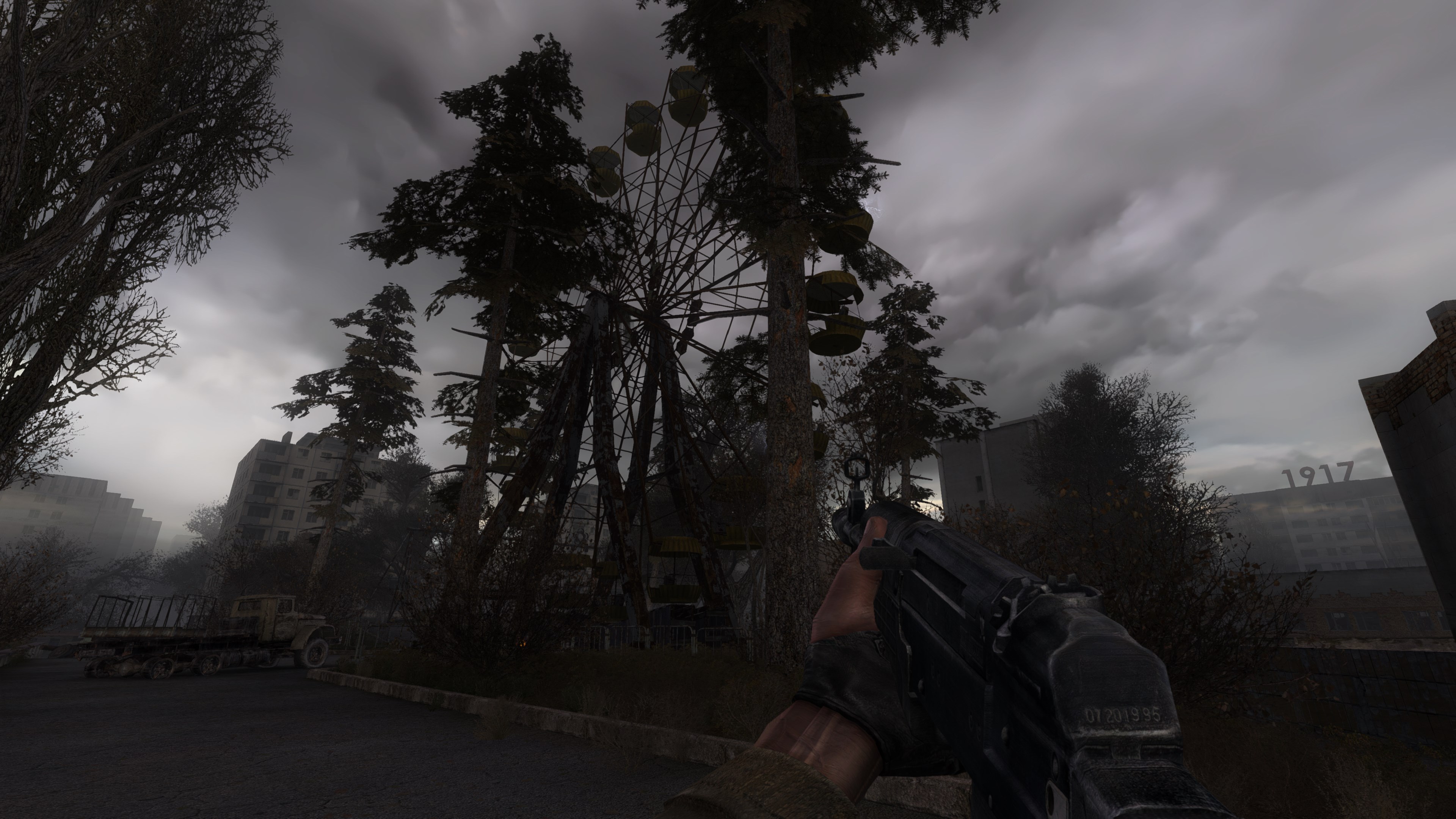
That said, the atmosphere remains unmatched. The Zone is still terrifying, still beautiful in its bleakness, and still capable of delivering moments of unscripted tension that few modern games can replicate. I particularly liked the sandbox approach here, with many situations set up as a set piece that could be tackled any way you wanted.
Following quick behind Shadow of Chernobyl was Clear Sky, which arrived in 2008 as a prequel. I don’t remember this one, but looking back at reviews, it was clearly met with a more mixed reception. It introduced faction warfare — a system that allowed different groups in the Zone to fight for territory — and expanded on the original’s systems with more complex weapon upgrades and environmental hazards. It was ambitious, but also buggy and unbalanced at launch.
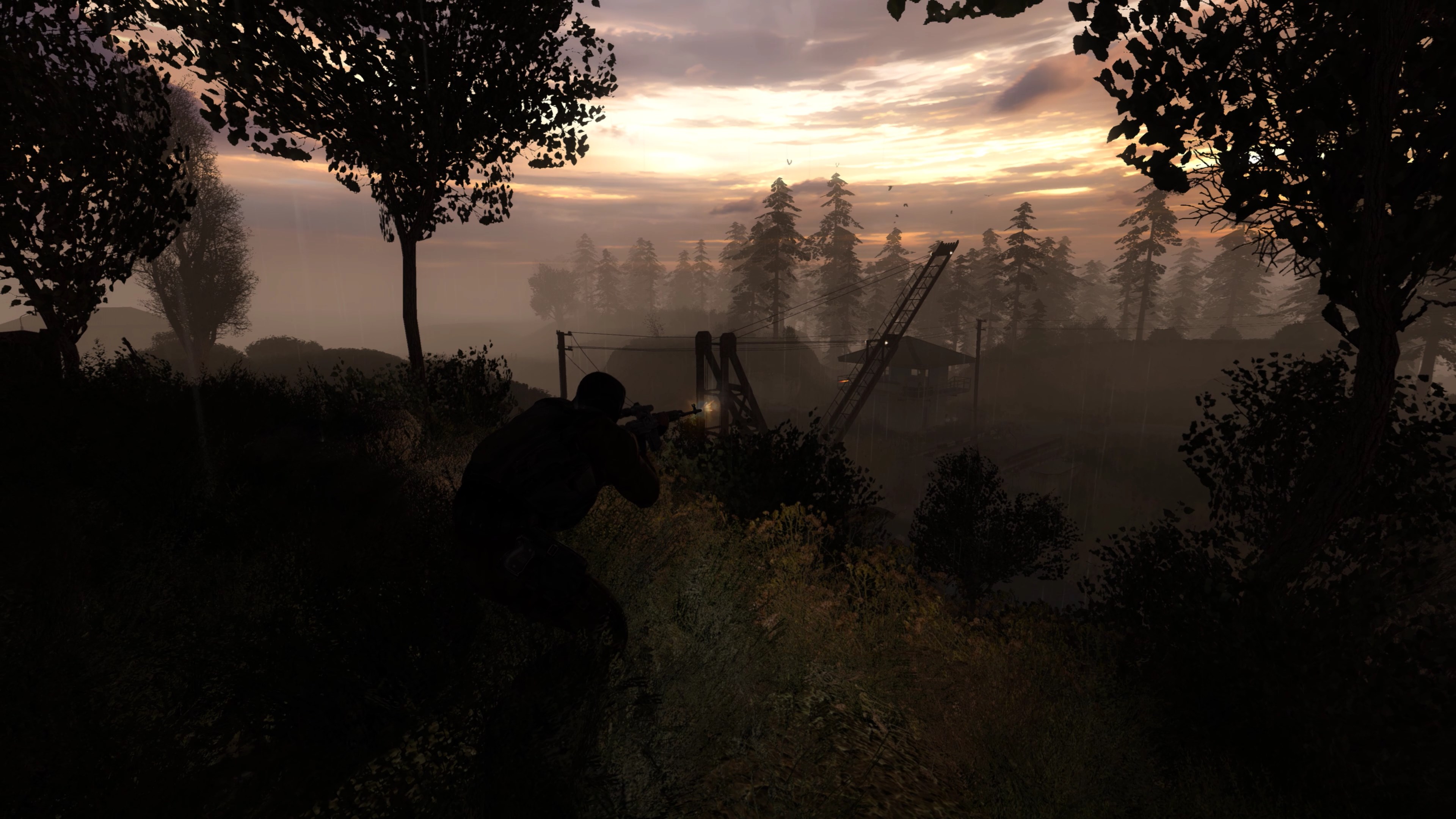
The Xbox Series X version smooths out many of those rough edges. The enhanced visuals help bring the swamps and industrial ruins to life, and the improved performance makes the faction battles feel more dynamic — or at least dynamic enough to me. Nonetheless, Clear Sky is still the most uneven of the trilogy from a newcomers perspective. The difficulty spikes are brutal, the early game is punishing, and the story lacks the mystery and momentum of its predecessor. Still, it’s a fascinating piece of the puzzle — a game that tried to push the formula forward, even if it stumbled along the way, and I could well imagine that if I had played it almost twenty years ago, I’d have been suitably impressed.
By the time Call of Pripyat launched in 2010, GSC had learned from its earlier missteps. This third entry is the most polished and accessible of the trilogy, with a more coherent structure, better pacing, and a greater emphasis on player choice. It’s also the most technically stable, both in its original form and in this enhanced console release.
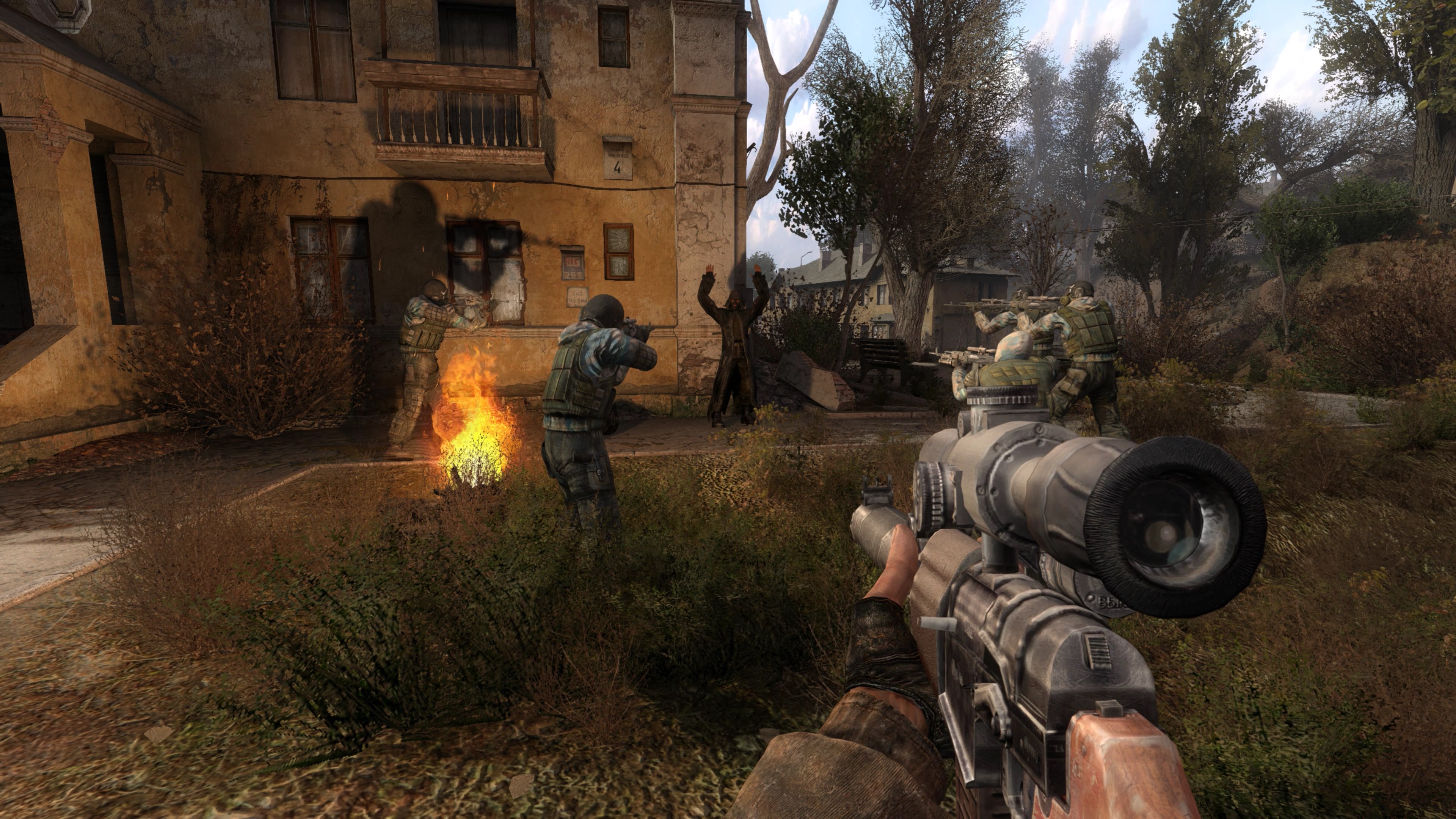
On Xbox Series X, Call of Pripyat looks the best of the three. The lighting upgrades are noticeable here, especially during the game’s eerie nighttime sequences and dynamic weather events — and I put this down to the original game having more modern underpinnings than its older siblings. The world feels more reactive, and the quests are more varied and meaningful. It’s still a tough, unforgiving game — but it’s also the most rewarding, offering a sense of progression and agency that the earlier titles only hinted at.
Having read a lot about the enhancements and having only experienced the games in this form, it’s still clear that the updated versions of the trilogy bring a number of welcome improvements. All three games now run at higher resolutions with improved texture filtering, better draw distances, and more stable frame rates. Lighting has been subtly reworked, and while these aren’t full remakes, the visual upgrades do ensure that the trilogy doesn’t feel too jarring on modern displays.
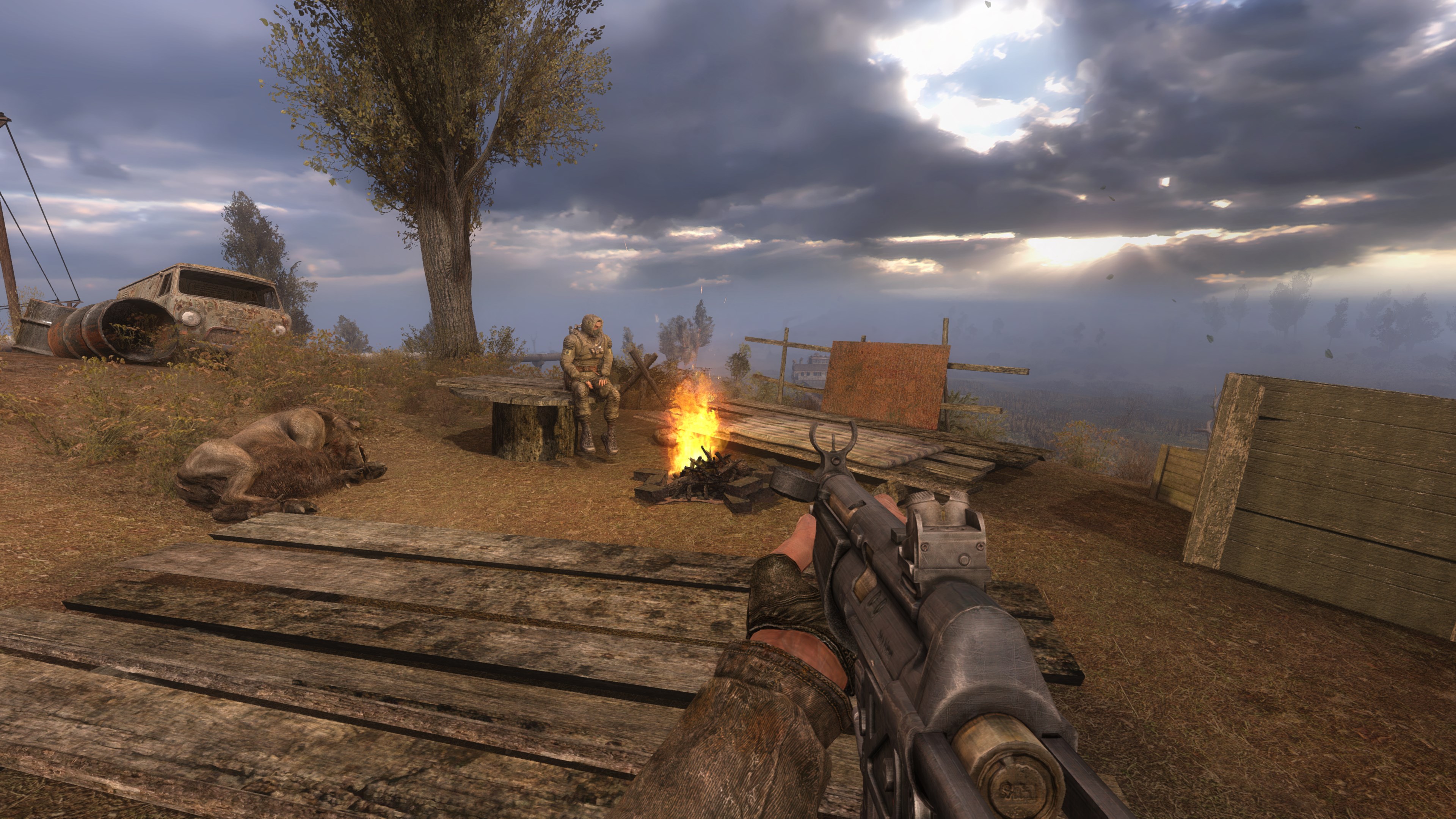
That said, these are still very much the original S.T.A.L.K.E.R. games – with all the limitations that come with ancient engines underneath them. The animations are stiff, the controls are dated, and the UI feels like it was designed for a different era — mainly because it was. There’s no modern quality-of-life layer here, no reworked inventory system or streamlined quest tracking, and perhaps most disappointingly, the dialogue feels dated and limited. For better or worse, this is a preservation effort, not a reinvention.
There’s no question that the S.T.A.L.K.E.R. trilogy was hugely influential. It helped define the survival shooter genre, inspired countless imitators, and carved out a tone and identity that remains unique to this day. The Zone is a place that gets under your skin — not just because of the mutants and anomalies, but because of the quiet, persistent sense of dread that permeates every corner of its world and the danger and opportunity brought on by almost every interaction.
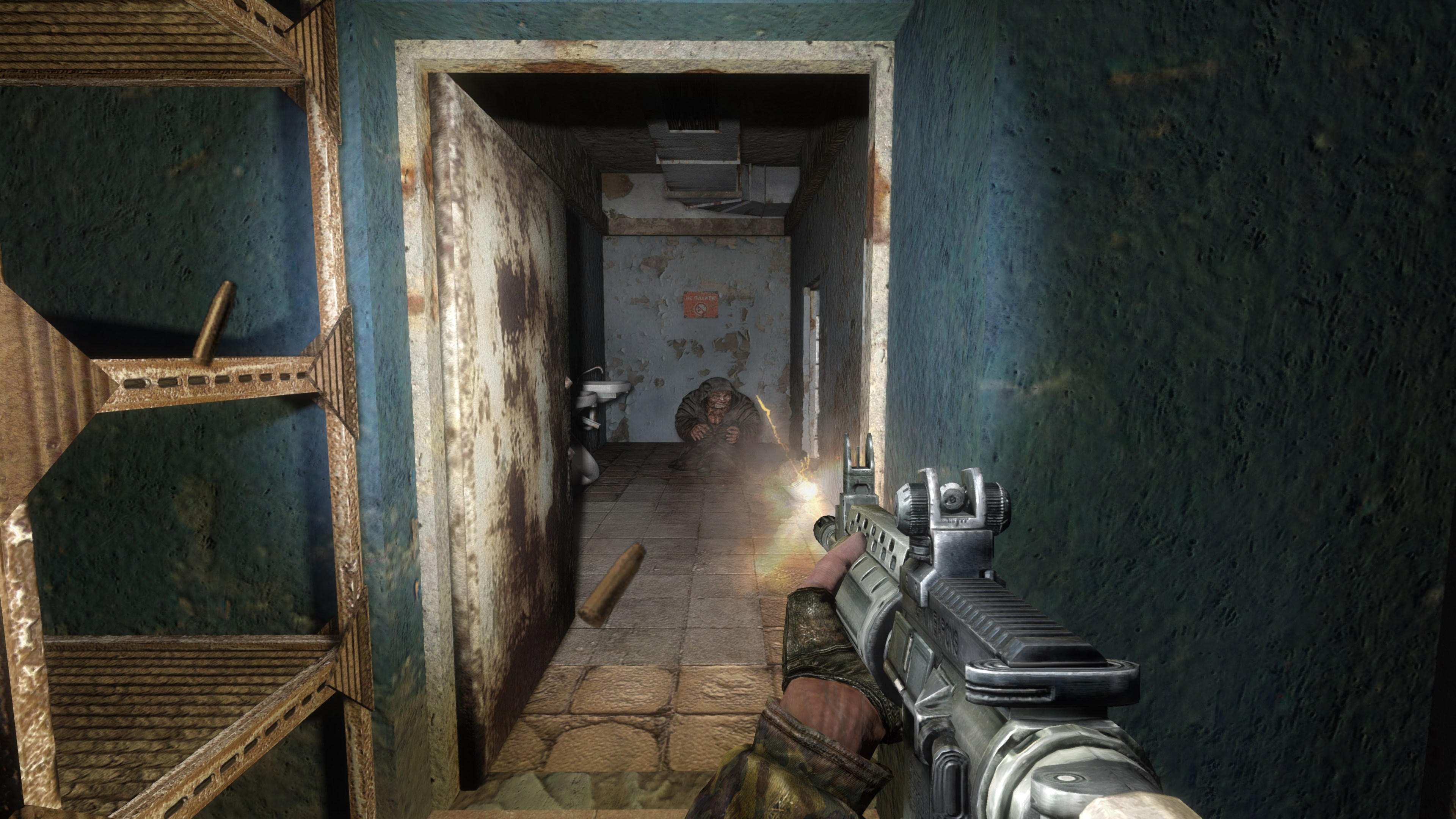
However, playing these games in 2025, especially on a modern console, is a reminder of how far game design has come. The lack of onboarding, the punishing difficulty, the clunky menus – these things were forgivable in 2007, but they’re harder to overlook now. For new players, the trilogy can feel opaque and unwieldy. For returning fans, it’s a nostalgic return to a world that still has the power to captivate — but also frustrate.
S.T.A.L.K.E.R: Legends of the Zone Trilogy is a fascinating time capsule. It brings three of the most atmospheric and ambitious PC shooters of their era to consoles with care and respect, but without modernising them in any significant way. The enhanced visuals are welcome, and the performance is solid, but this is still a trilogy that demands patience, curiosity, and a high tolerance for jank.
If you’ve never played S.T.A.L.K.E.R. before, then this is without doubt the best (and only) way to experience the trilogy on console – but be prepared for a learning curve. If you’re a returning fan, the trilogy is a haunting, rewarding journey back into the Zone. Just don’t expect it to have changed much. The Zone doesn’t care about your hopes and expectations — and perhaps what makes it so appealing is that I don’t think it ever did!
S.T.A.L.K.E.R.: Legends of the Zone Trilogy is available now for PC & Xbox One.

Comments are closed.