

For the first time in what seems like years of reviewing remakes, rehashes and “classic compilations” I am delighted to report that Mortal Kombat: Legacy Kollection is more than just a cash-grab retro compilation — it’s a curated, interactive museum that chronicles the rise of one of gaming’s most iconic and controversial franchises. Even better for me is the attention to detail lavished on these classic — and not always great — games, because I’ve grown up with these… I was there when it all began, man!
Developed by Digital Eclipse and published by Warner Bros. Games, this collection (kollection? editor – no!) spans the series’ formative years, from its 1992 arcade debut through to the relatively modern Mortal Kombat 4. The, erm, collection includes 23 playable titles alongside a wealth of archival content for hardcore fans to peruse. It’s a celebration of blood, pixels, and cultural impact — and it’s one of the most ambitious preservation efforts in fighting game history.

I truly believe that to understand games like DOOM and Mortal Kombat and the impact they had on modern gaming, you really had to be there. Given that I am now quite old and most people reading this won’t know or care what I am on about, perhaps the next best thing to “being there” is playing games like this — games that are carefully curated and properly stitched together to be significantly more than the sum of their parts.
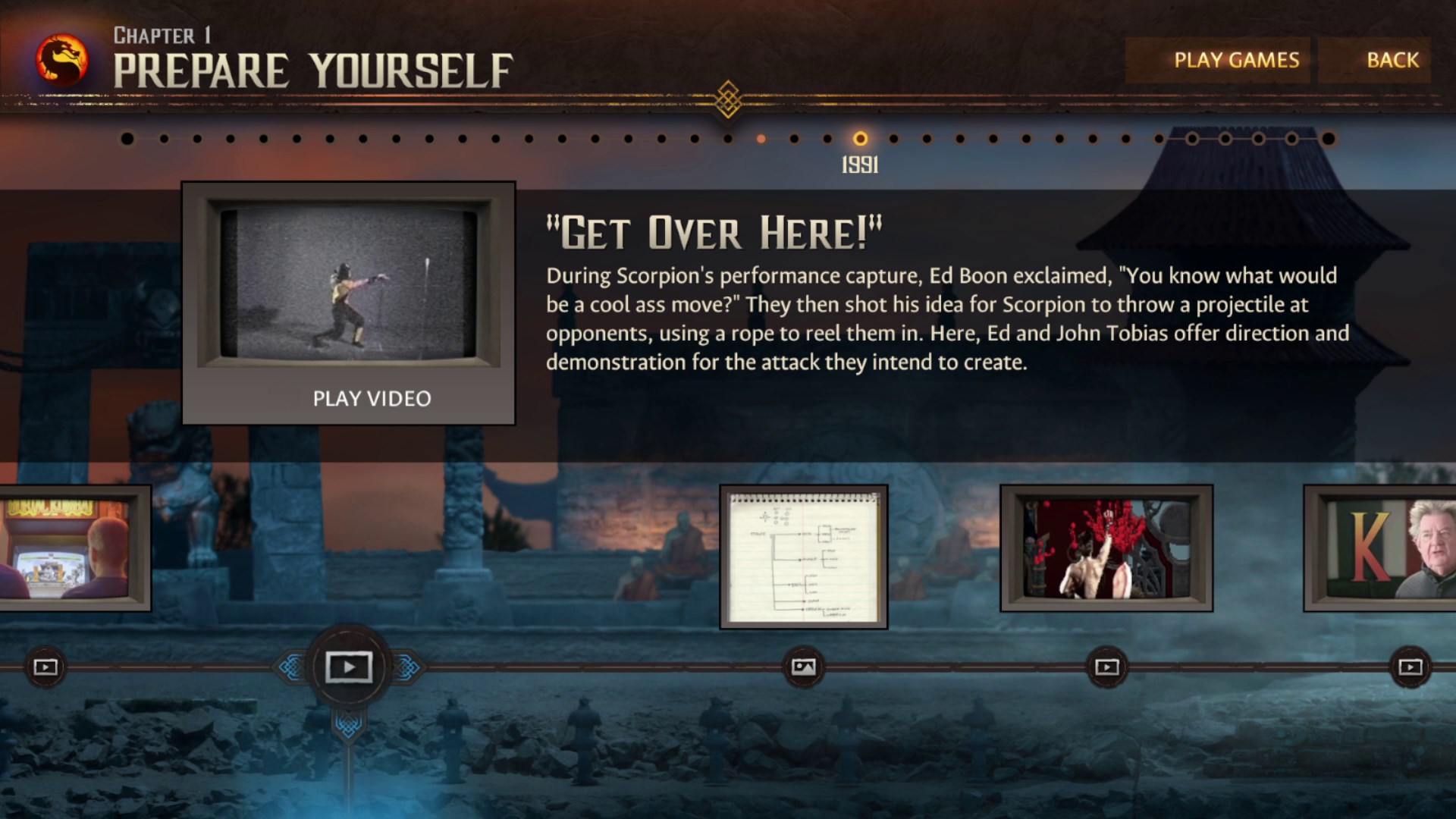
At the heart of Mortal Kombat: Legacy Kollection is the “Krypt” — not the unlockable content vault from recent Mortal Kombat games, but a fully navigable timeline documentary. This interface lets players explore the franchise’s evolution chronologically, with playable games, video interviews, concept art, design documents, and promotional materials all woven into a cohesive timeline.
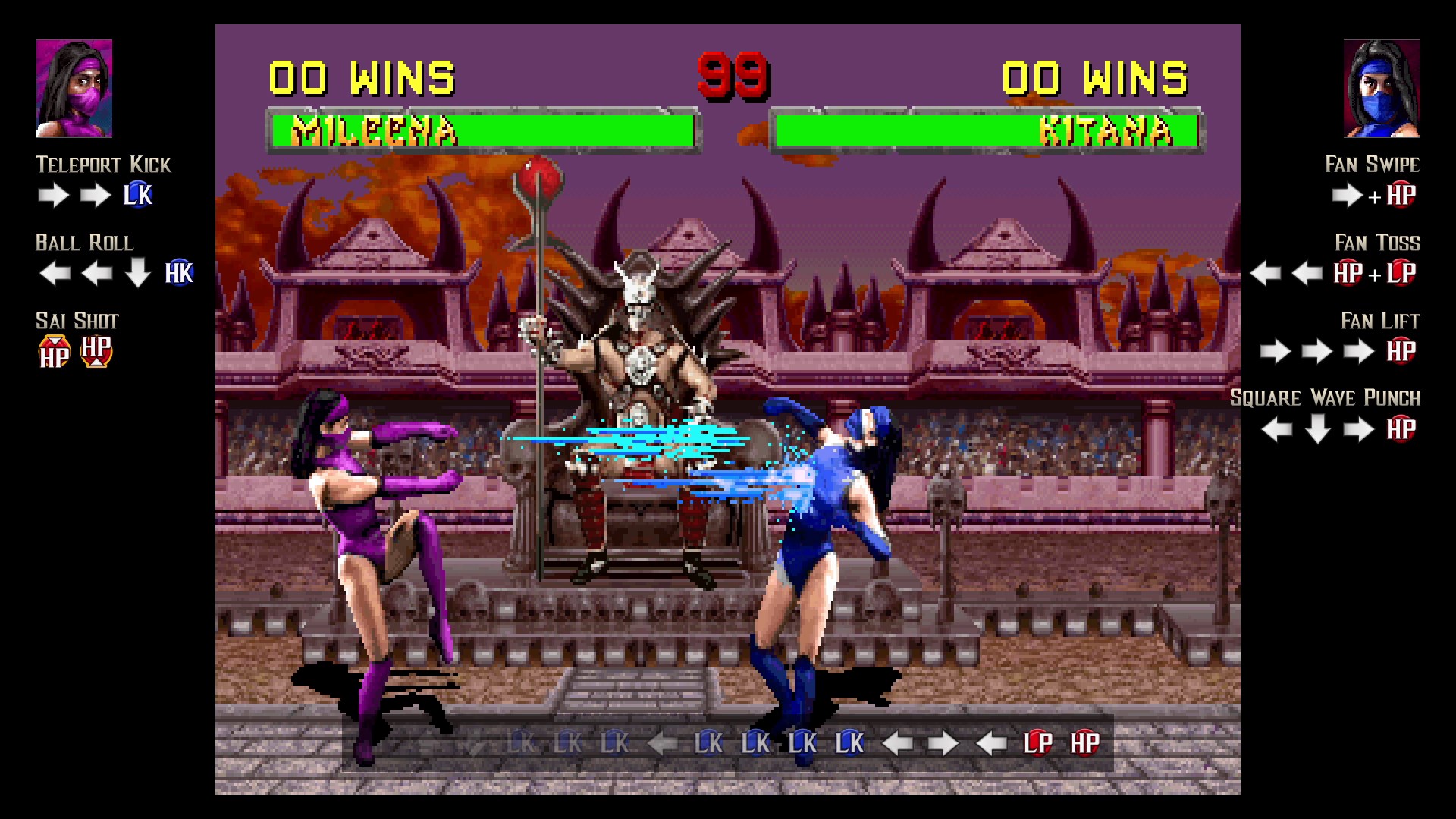
It’s a format pioneered by Digital Eclipse in Atari 50 and The Making of Karateka, and it works brilliantly here. You’re not just playing pieces of history — you’re learning how they were made, why they mattered, and how they changed the industry. Interviews with the creators, a fatality trainer, previously unreleased editions (UMK3 Wavenet which I’ll touch on later) and even “secrets mode” where you can find the stuff that used to take us months to unlock as kids (or should I say, young adults) all make up a comprehensive package.
The playable lineup includes:
- Mortal Kombat (Arcade, SNES, Genesis, Game Boy, Game Gear)
- Mortal Kombat II (Arcade, SNES, Genesis, Game Boy, Game Gear)
- Mortal Kombat 3 (Arcade, SNES, Genesis, Game Boy, Game Gear)
- Ultimate Mortal Kombat 3 (Arcade, WaveNet)
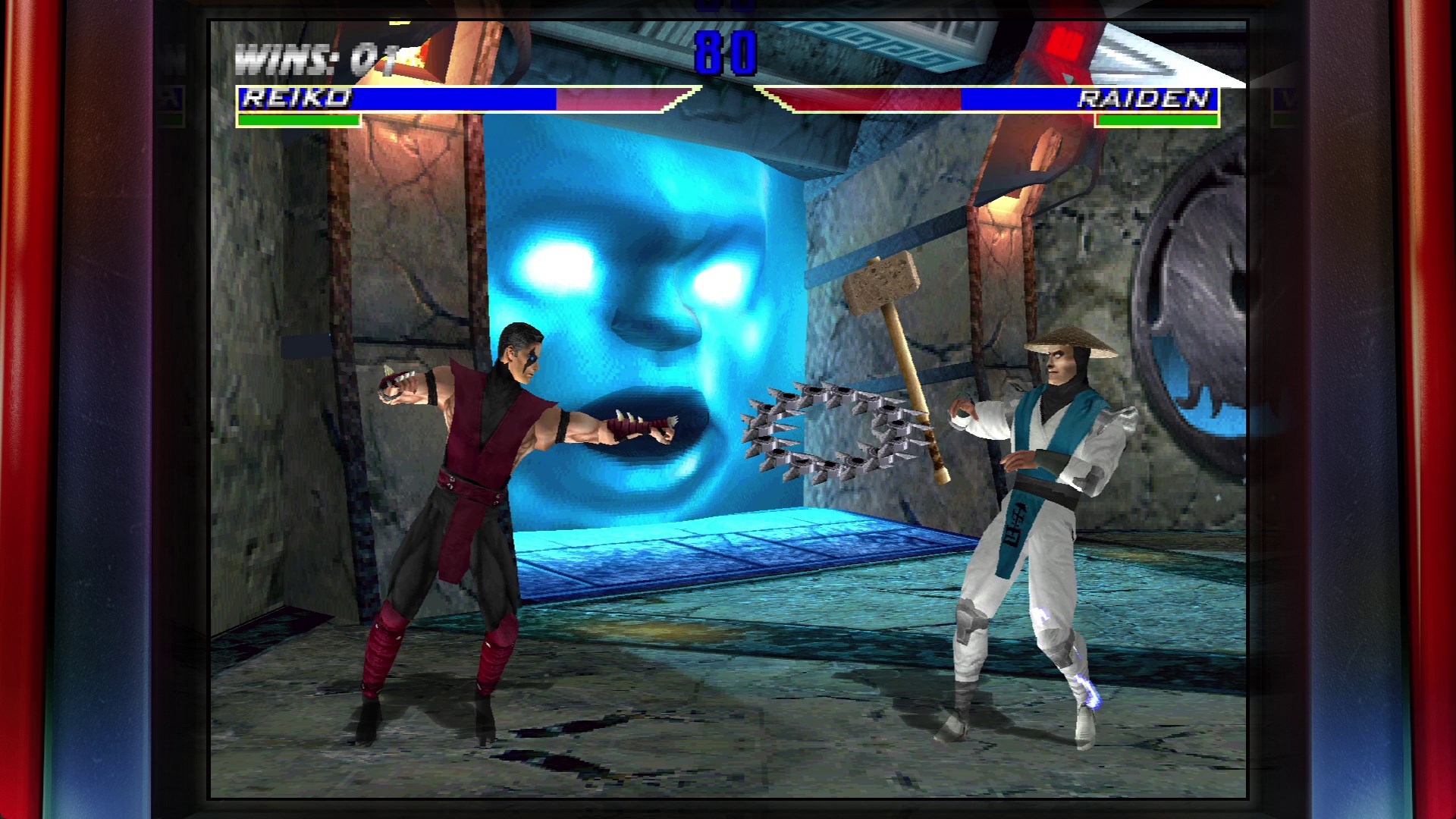
- Mortal Kombat Trilogy (PS1)
- Mortal Kombat 4 (Arcade, GBC)
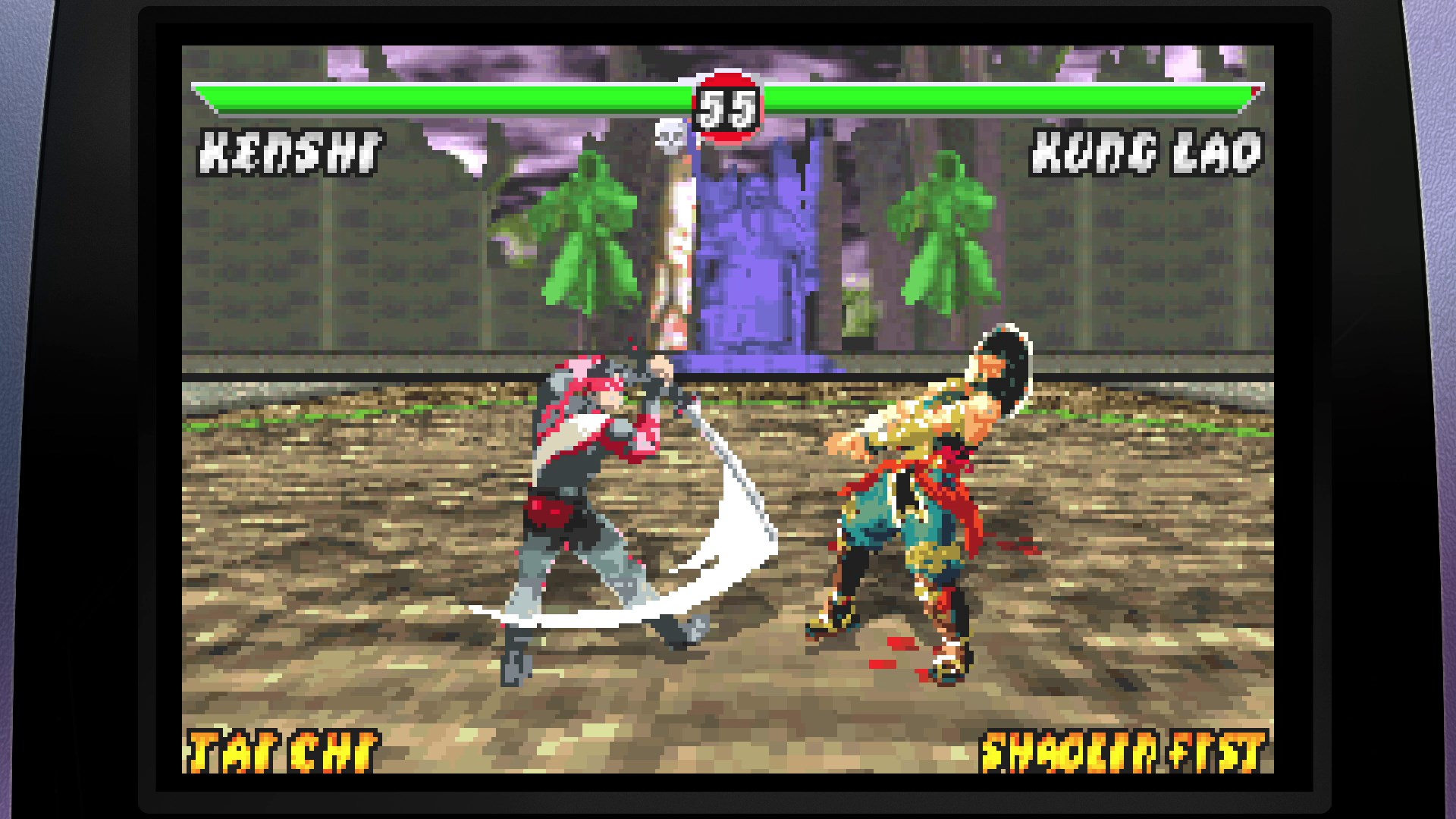
- Mortal Kombat: Deadly Alliance (GBA)
That’s 23 versions in total, including some rare and previously inaccessible ports. The inclusion of the WaveNet version of UMK3 — a networked arcade build with unique features — is a particular treat for preservationists. Each game is emulated with care and Digital Eclipse has added modern conveniences like save states, rewind, input remapping, and built-in move lists and fatality guides. These features make the older titles far more approachable, especially for players who didn’t grow up memorizing combos from magazine inserts.
That said, a few of the pots still include undesirable elements. Certain versions of Mortal Kombat II were notorious for reading player inputs and effectively countering them by “cheating” in response. As a kid, I remember thinking I was terrible at games as a result of this, but the fact is, there was no way you could win some of these matchups then and there still isn’t now. I guess that’s what preservation is, even when it’s warts and all.
The documentary content is very impressive. Interviews with co-creators Ed Boon and John Tobias offer candid insights into the series’ origins, design philosophy, and cultural reception. You’ll hear about the digitized actor process, the ESRB controversy, and the arcade scene of the ’90s. There are also deep dives into character design, music composition, and marketing — including rare footage of early promotional events and TV spots. It’s a treasure trove for fans and historians alike.
Visually, the collection is presented with Digital Eclipse’s usual polish. The Krypt interface is clean and responsive, with smooth transitions between media types and a clear sense of progression. The games themselves are displayed in their original aspect ratios with optional filters (scanlines, CRT curvature, etc.), and the emulation is crisp. Load times are minimal, and the UI is intuitive whether you’re browsing content or jumping into a match.
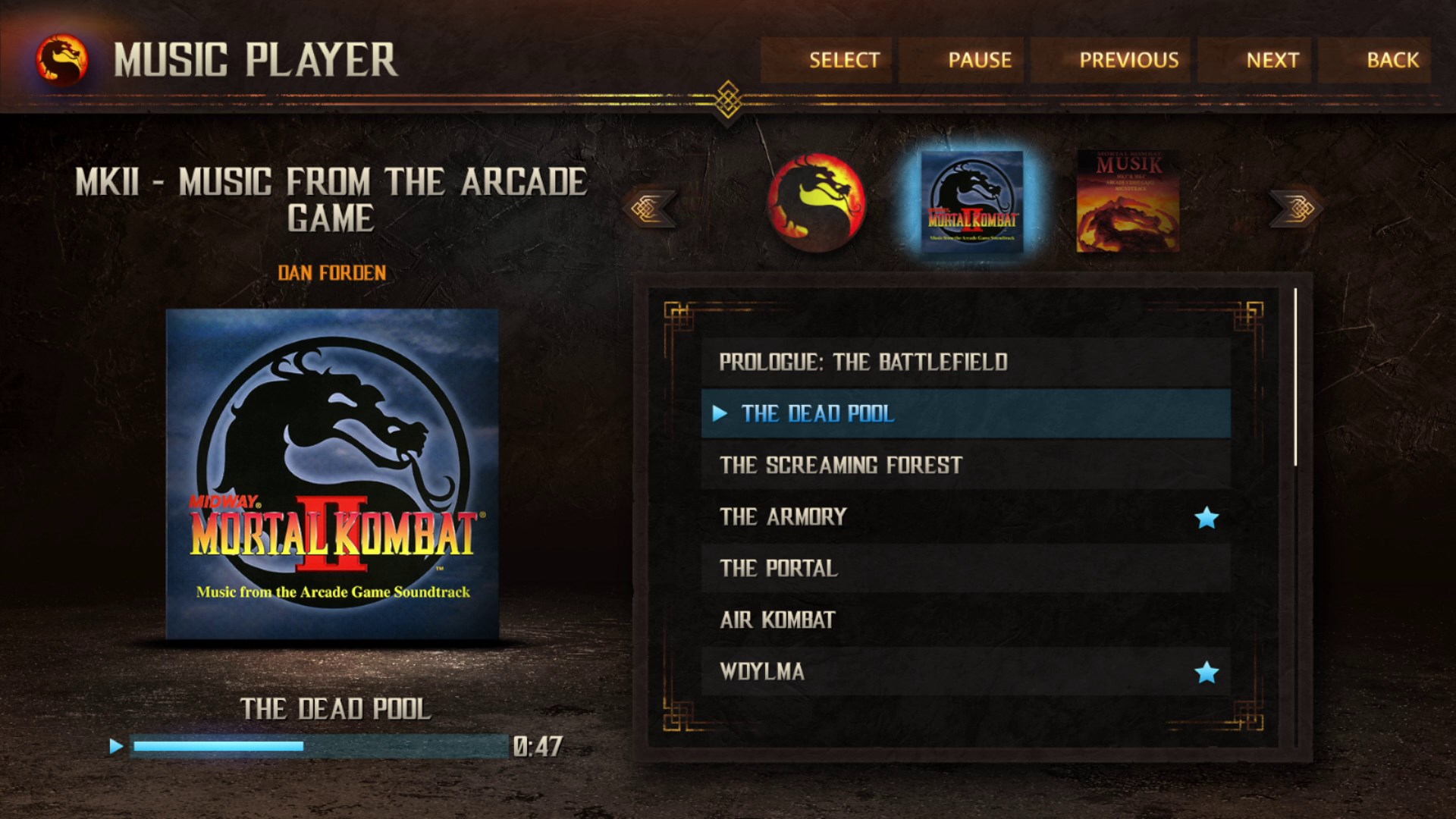
That said, the collection isn’t without omissions. Notably absent are Mortal Kombat Gold (the Dreamcast version of MK4), the N64 port of Mortal Kombat Trilogy, and any content from the 3D era (Deadly Alliance, Deception, Armageddon) beyond the GBA version of Deadly Alliance. While the focus is clearly on the 2D and early 3D arcade lineage, some fans may be disappointed by the lack of console-exclusive content or later-era material — especially the more unique entries such as the N64 outing.
Despite these small hiccoughs, Mortal Kombat: Legacy Kollection succeeds in its primary goal: to preserve and contextualize a pivotal chapter in gaming history. More than just a nostalgia trip, this — honestly massive — collection is an educational, interactive archive that shows how Mortal Kombat evolved from a macabre curiosity into a global phenomenon. The games are still fun, the fatalities still shock (as much for comedy value as anything), and the behind-the-scenes content adds depth and humanity to a franchise often defined by its violence.
Mortal Kombat: Legacy Kollection is a must-play for fans, historians, and anyone curious about the roots of modern fighting games. It’s not perfect, to some extent because these games were often more interesting than they were good even at first release, and a few missing titles hold it back from being truly definitive — but it’s the most comprehensive and thoughtful Mortal Kombat anthology ever assembled. Whether you’re reliving arcade glory days or discovering the series for the first time, Digital Eclipse has scored a near flawless victory!
Mortal Kombat: Legacy Kollection is available now for Xbox, PlayStation, Nintendo Switch and PC.
