

Here at B3, we love a narrative adventure game with cute, anamorphic creatures and a divergent narrative. Foretales, developed by Alkemi and published by Dear Villagers, is one of those rare titles that manages to feel both narratively rich and mechanically tight. It’s a card-based adventure that leans heavily into storytelling, choice, and the consequences of your actions. On the Nintendo Switch, it’s a surprisingly comfortable fit.
At its heart, Foretales is a narrative-driven deckbuilder, but it’s not quite like anything else in the genre that I’ve seen. You play as Volepain, a thief with a knack for getting into trouble and a magical lute that lets him glimpse possible futures. The game opens with a vision of the end of the world — and from there, it’s up to you to decide how to stop it — or whether you even want to.
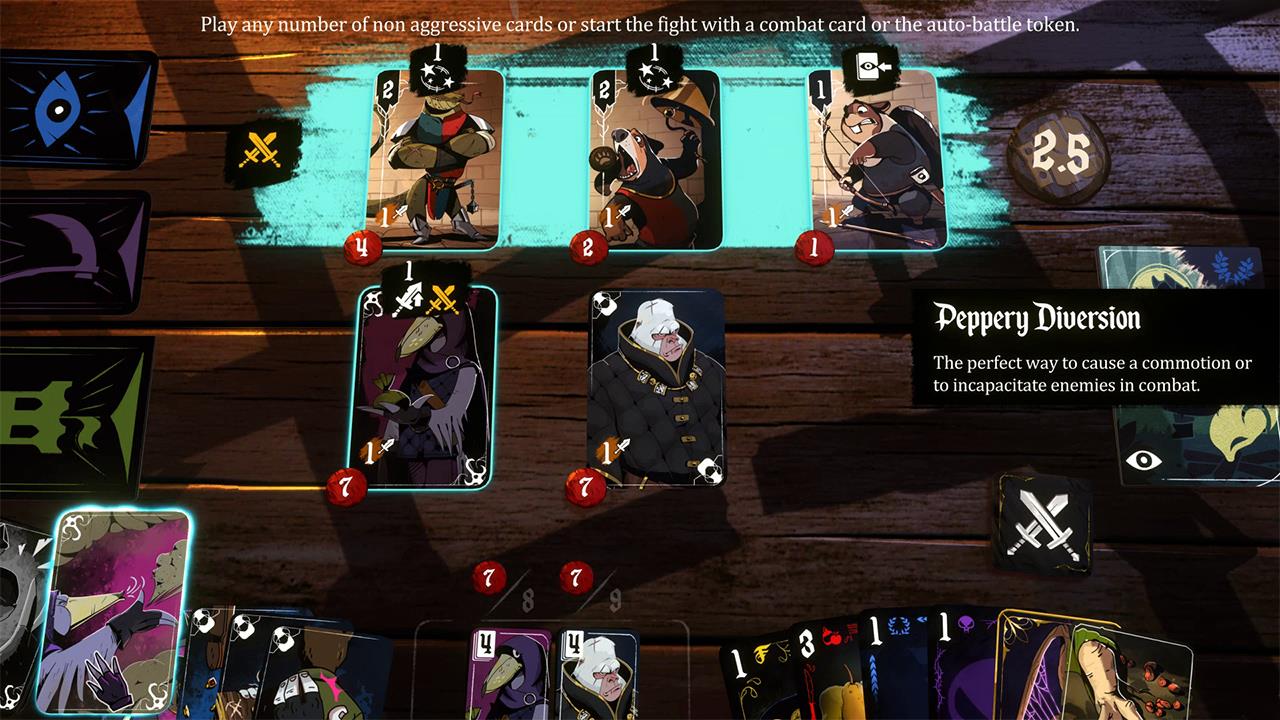
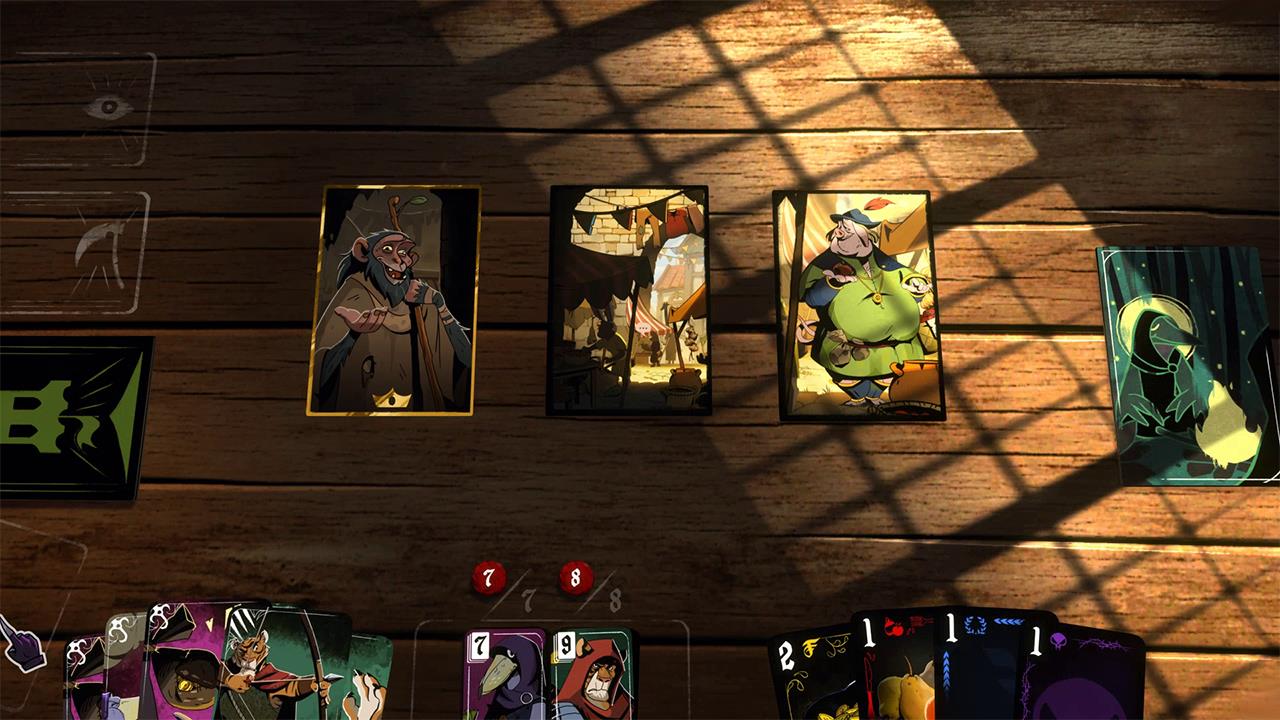
Rather than building a deck through combat or progression, Foretales gives you a fixed set of cards for each character and scenario. These cards represent actions, items, allies, and events, and you’ll use them to interact with locations laid out in the scenario. It’s a clever system that feels more like a puzzle than a traditional deckbuilder — you’re constantly weighing your options, trying to figure out which combination of cards will get you past a guard, convince a merchant, or avoid a fight.
Foretales is structured around a series of these interlinked scenarios, each with multiple possible outcomes. You might choose to sneak through a city, bribe your way into a fortress, or rally a crowd to join your cause and create a distraction. These choices aren’t just flavour — they shape the story, leading to different missions, characters, and endings. It’s a branching narrative that feels organic and reactive, and it gives it a sense of replayability that’s rare in story-driven games.
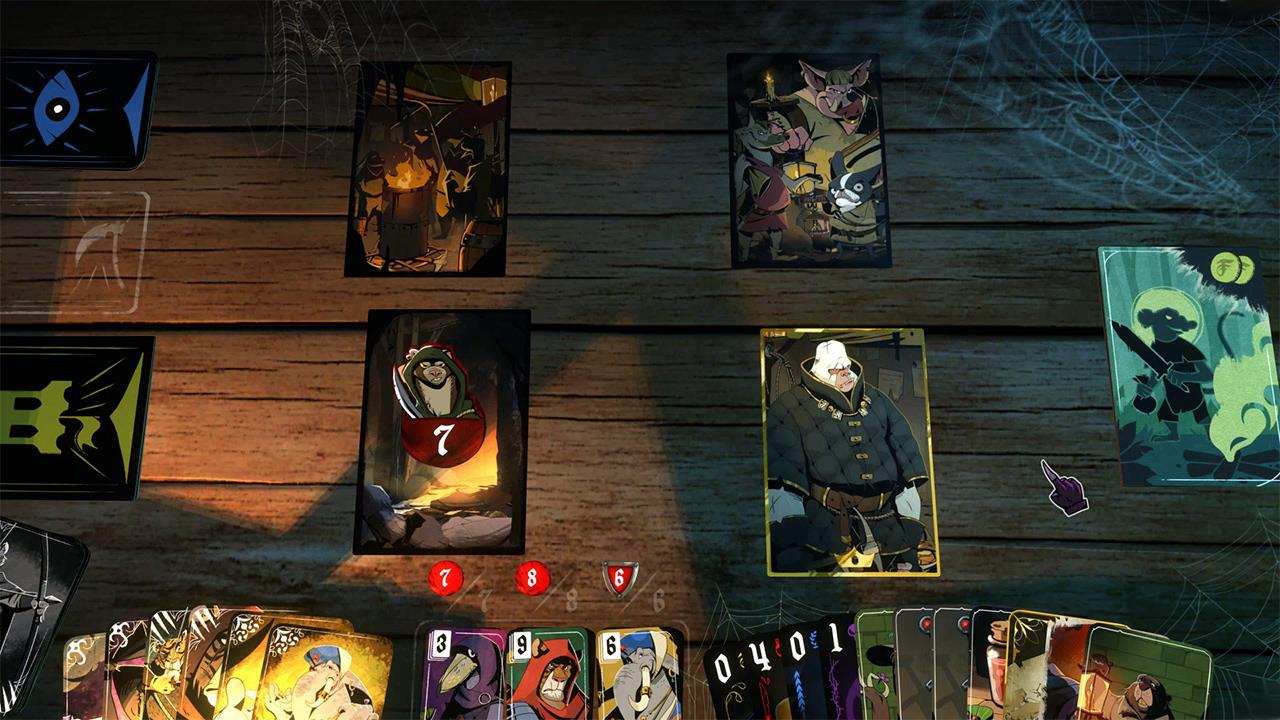
What sets it apart is how tightly its mechanics are tied to its narrative. Cards aren’t just tools — they’re expressions of character and context. Volepain’s deck is full of trickery and charm, while his companions bring their own specialties — from brute force to diplomacy. You’ll also manage resources like food, fame, and money, which can be spent to unlock new options, regain health or avoid danger.
There’s combat, but it’s not the focus. In fact, Foretales often encourages you to find non-violent solutions. Fighting can be risky, and sometimes the best outcome is the one where nobody draws a sword. This emphasis on choice and consequence gives the game a thoughtful, almost philosophical tone —- it’s less about winning and more about deciding what kind of hero you want to be.
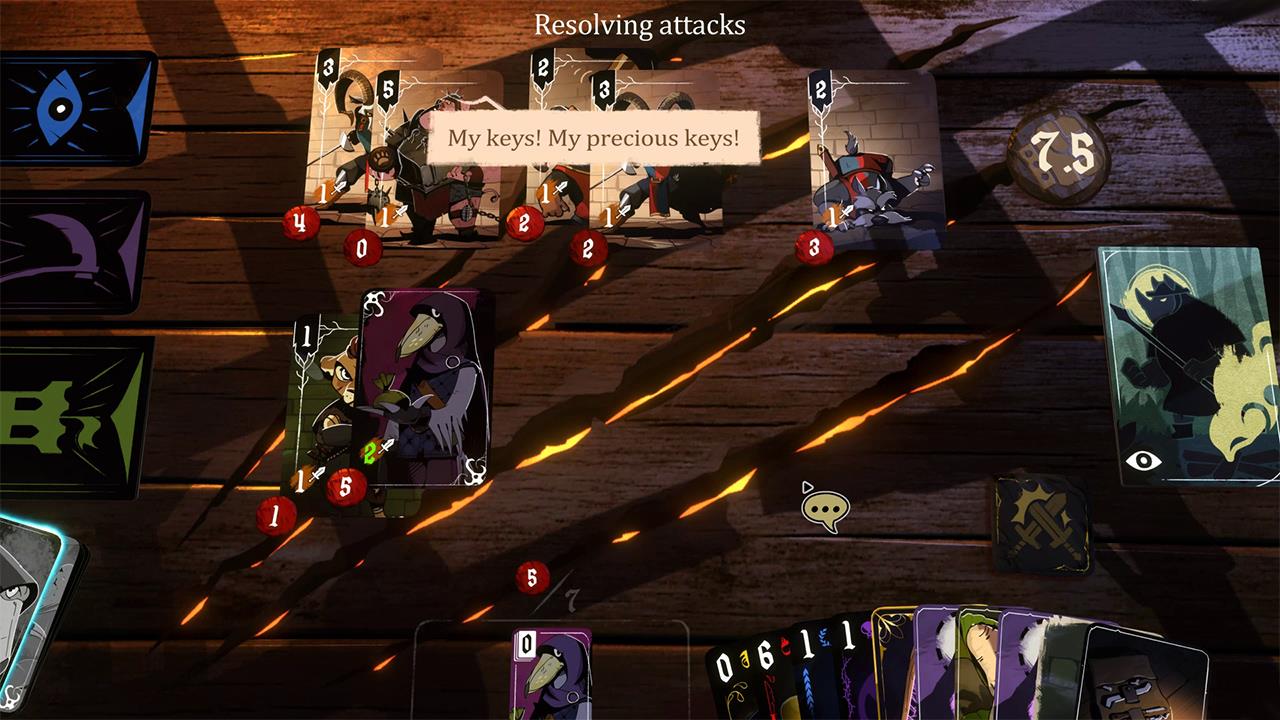
That said, Foretalles isn’t without its frustrations. The interface, while functional, can be a bit fiddly on Switch, especially in handheld mode. Dragging cards and navigating menus isn’t always as smooth as it should be, and there are moments where the game’s logic feels opaque. Sometimes you’ll fail a scenario without quite understanding why, or miss an opportunity because you didn’t realise a card could be used in a certain way. It’s not game-breaking, but it does add a layer of trial-and-error that might put off more casual players.
Visually, Foretales is really lovely. The art style is reminiscent of a storybook — with parchment textures, bold lines, and muted colours. It’s a look that suits the game perfectly, reinforcing the idea that you’re reading a story as much as playing one. The character designs are expressive, and the environments are varied enough to keep things fresh across multiple scenarios.
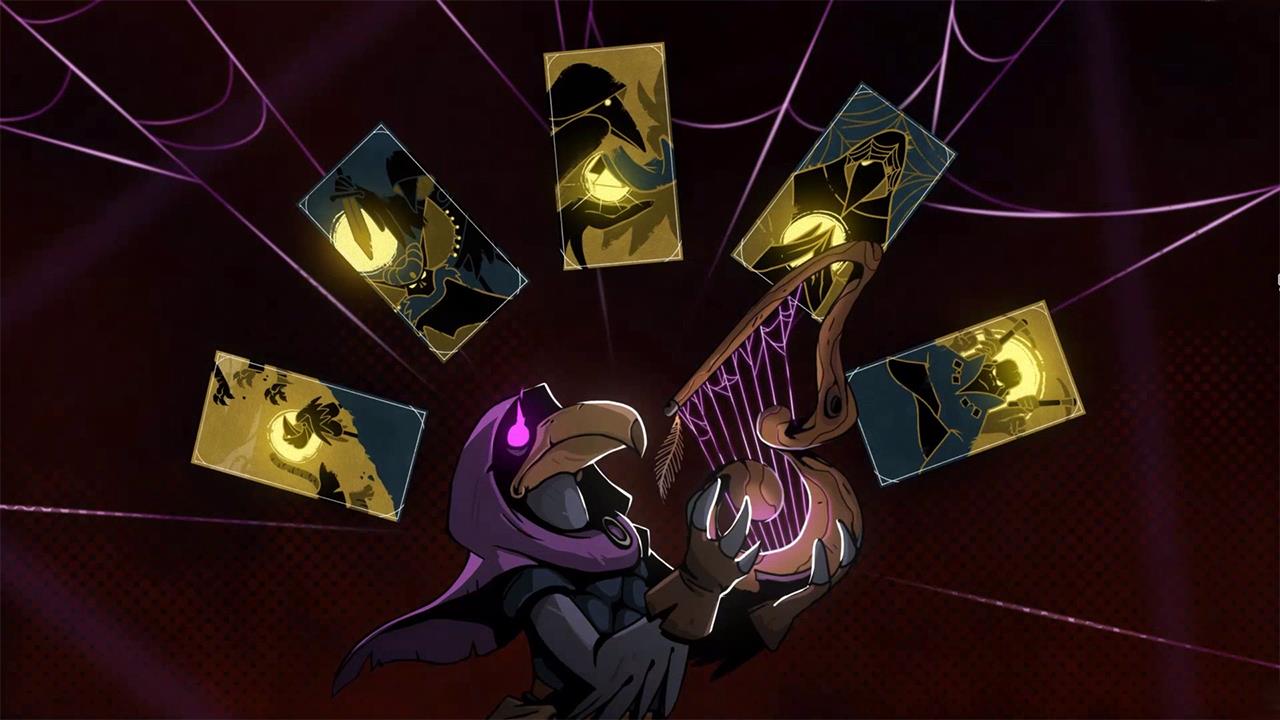
The soundtrack deserves special mention. Composed by Christophe Héral (of Beyond Good & Evil fame), it’s a rich, evocative score that shifts with the tone of the story. Whether you’re sneaking through a shadowy alley or standing before a crowd of revolutionaries, the music enhances the mood without overwhelming it.
On Switch, performance is solid. Load times are reasonable, and the game runs smoothly in both docked and handheld modes. The text is readable, and while the UI could use a bit more polish, it’s perfectly serviceable. It’s not a game that demands technical precision, so the occasional hiccup doesn’t detract from the experience.
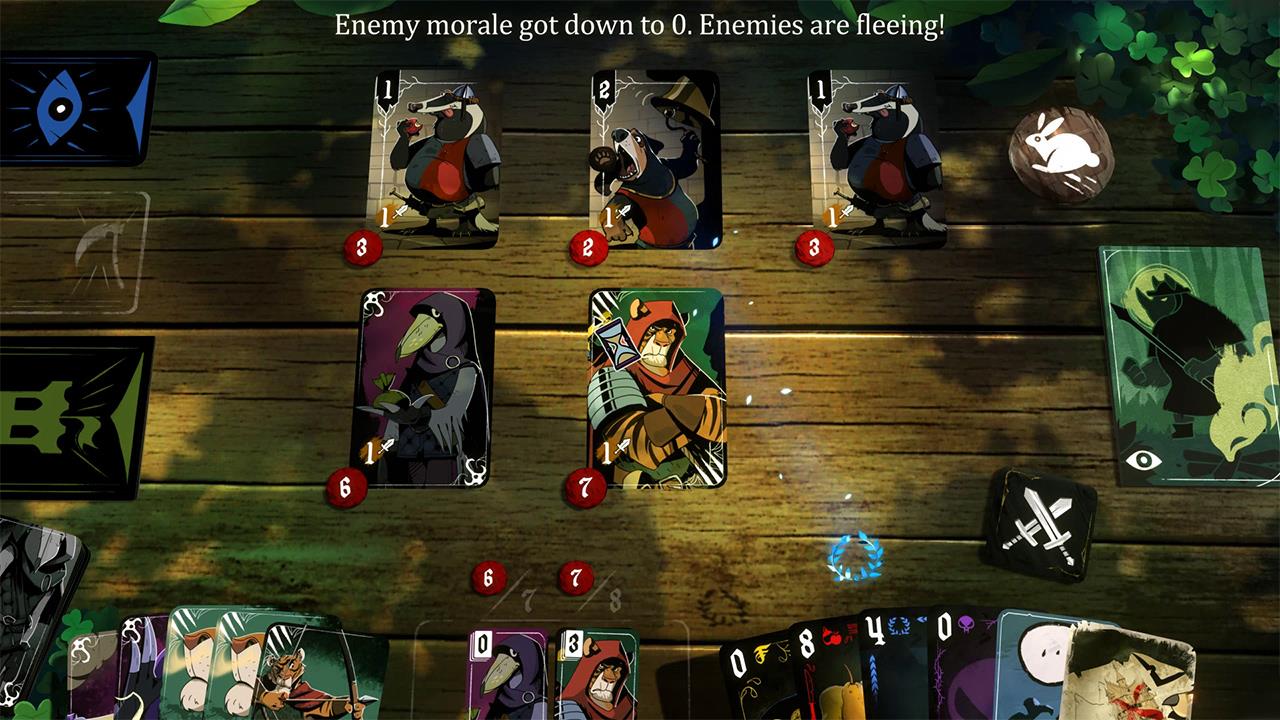
Foretales isn’t a game about mastery — it’s a game about exploration. You’re meant to fail sometimes, to make choices that lead to unexpected consequences. The game encourages you to try different approaches, to see what happens if you take the risky path or trust the wrong ally. It’s a design philosophy that rewards curiosity and experimentation, and it makes each playthrough feel distinct. Sometimes, you’ll make a choice that completely closes off another route – at the least removing some of the possible scenarios, and at the most extreme, changing the story or removing key characters to some significant event.
It’s a thoughtful, beautifully crafted game that blends storytelling and strategy in a way that feels fresh and engaging. It’s not perfect — the interface can be clunky, and the learning curve is steeper than it first appears — but it’s a game with heart, and one that rewards players who are willing to think, explore, and take a few risks.
On Nintendo Switch, it’s a great fit for players who enjoy narrative-driven experiences and don’t mind a bit of trial and error. It’s not a traditional deckbuilder, but it’s much more than an interactive story. Foretales is an almost unique experience thanks to its overall production quality, its solid mechanics and its branching storyline that invites repeated playthroughs.
Foretales is available now for Nintendo Switch and Windows PC

Comments are closed.