

Death Howl might use deckbuilding and turn-based combat, but it’s far from a Roguelike
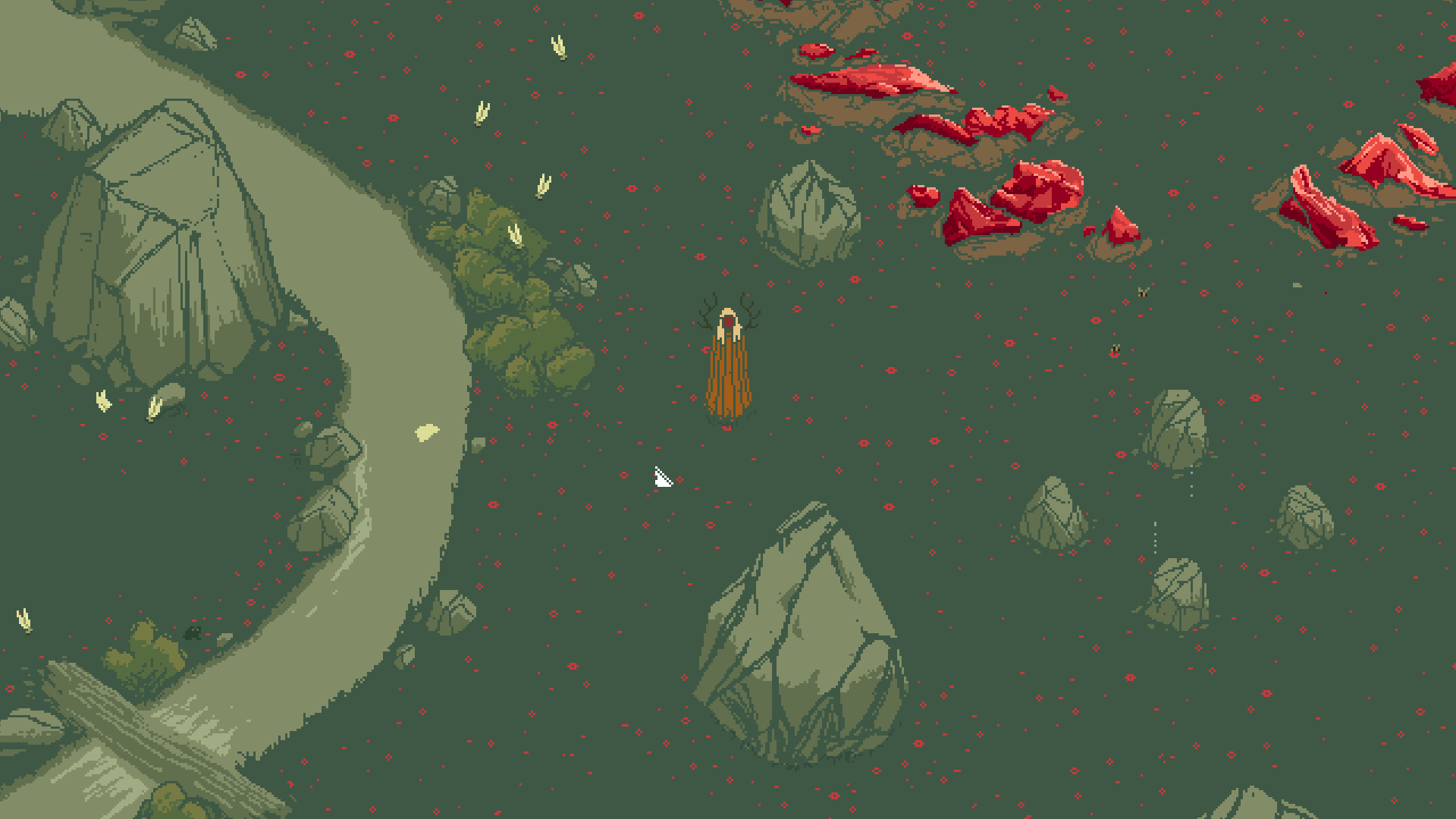
The roguelike deckbuilder is a well-established (and well saturated) trope of a genre at this point, and some developers are taking notice. Created by The Outer Zone and published by 11-bit Studios, Death Howl is a deckbuilder with a difference. You are thrust into a challenging, intertwining world of spirits filled with hand-crafted encounters, NPCs and hidden secrets. Traversing the map, adding to your deck(s) and training to become powerful enough to face the final spirit atop the mountain gives the player all the agency to explore, fight and die as they please.
The move away from a roguelike structure into a single, large, hand-crafted world is a huge boon to the experience. Playstyle and player choice takes center stage in a way that has real permanence in your experience of the story, mechanics and more. So, how does Death Howl merge the deckbuilder gameplay with Soulslike world?
A limited deck with unlimited possibilities
Death Howl is based around decks of 15-20 cards. Having such strict upper and lower limits means your decks are refined by design. With multiple copies of some cards you can reliably create a 2-4 hand deck that pulls pretty much the same stuff every other turn. Common cards have a 4-card limit, Rare have a 2-card limit and Uniques can only be included in a deck once. This means finding a Rare or Unique card you like the sound of and building the rest of the 13-14 cards to draw, move, defend and play into that Rare or Unique is a valid strategy.
You craft new cards using “Death Howls” and materials. Every enemy drops a Death Howl when they die, and they drop materials specific to their type. You might need fur for one card and insect wings for another, so finding the enemy that is the key to unlocking your next deck upgrade makes tackling more fights exciting (albeit dangerous).
What’s stopping you from farming Death Howls and materials, creating a tight 15-card deck that reliably slays, and then carrying the whole game? Realms.
A perfectly haunting overworld split into Realms
The map of Death Howl is divided into 4 Realms (And the 5th “Realmless” area where the final challenge awaits). These realms aren’t just visually distinct, they have their own enemies, NPC’s and most importantly they have their own cards. Playing a card that is from a different Realm to the one you’re in costs an extra Mana, so even if you have an infallible deck for one Realm, it might be too inefficient in another. Of course, advanced players can mix and match to off-set these costs and make the increase still worth using an out-of-Realm card, but you can also simply save a deck for each realm that uses only cards from that Realm.
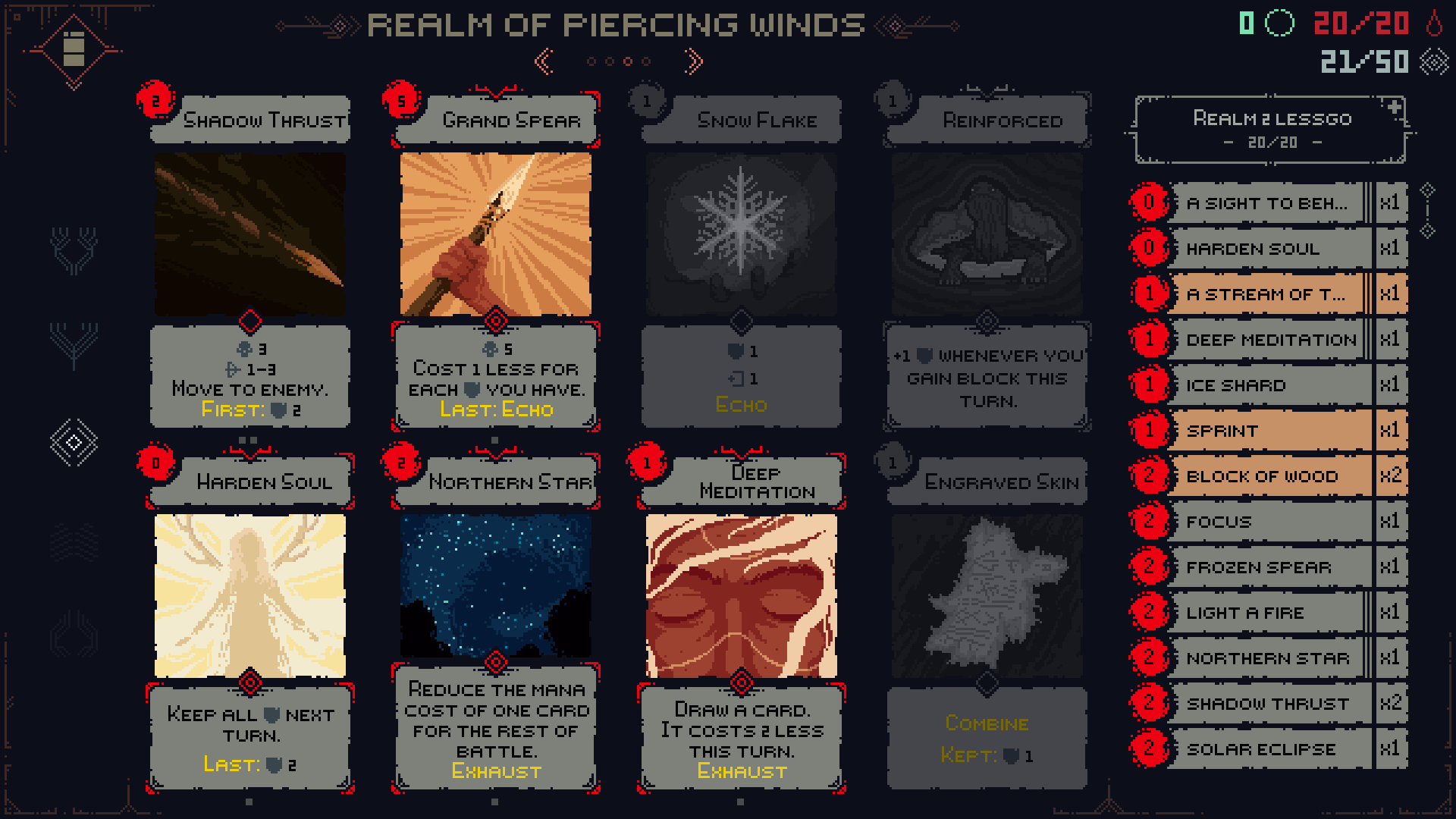
With 20 Deck slots to save different configurations (complete with naming them!) you are free to create. This encourages experimentation and a deeper understanding of every enemy, card and ability available to you as the game progresses.
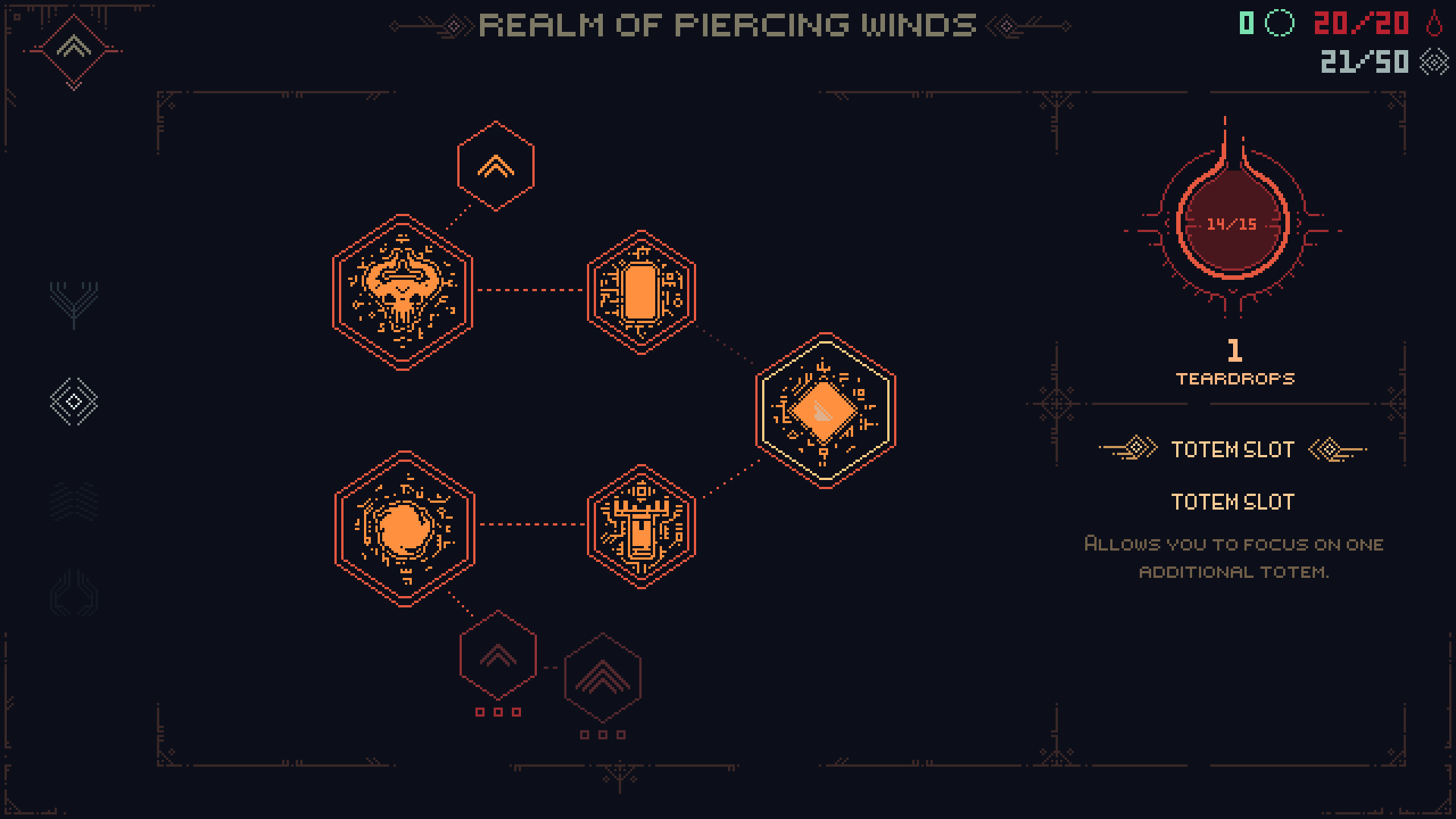
Each Realm also has its own skill tree which you can invest Teardrops in to gain new cards, new abilities and new “Totem” slots (Which provide passive buffs or triggered effects). Teardrops are found after specific fights in the overworld, or can be purchased for Death Howls by banking them at a spirit circle. Death Howl ensures that there’s always something to do, so that even if a fight feels like a brick wall there’s always a way to progress – either by adding cards to your arsenal or by upgrading a tree with Teardrops.
Meaningful, heavy decisions in lethal combat
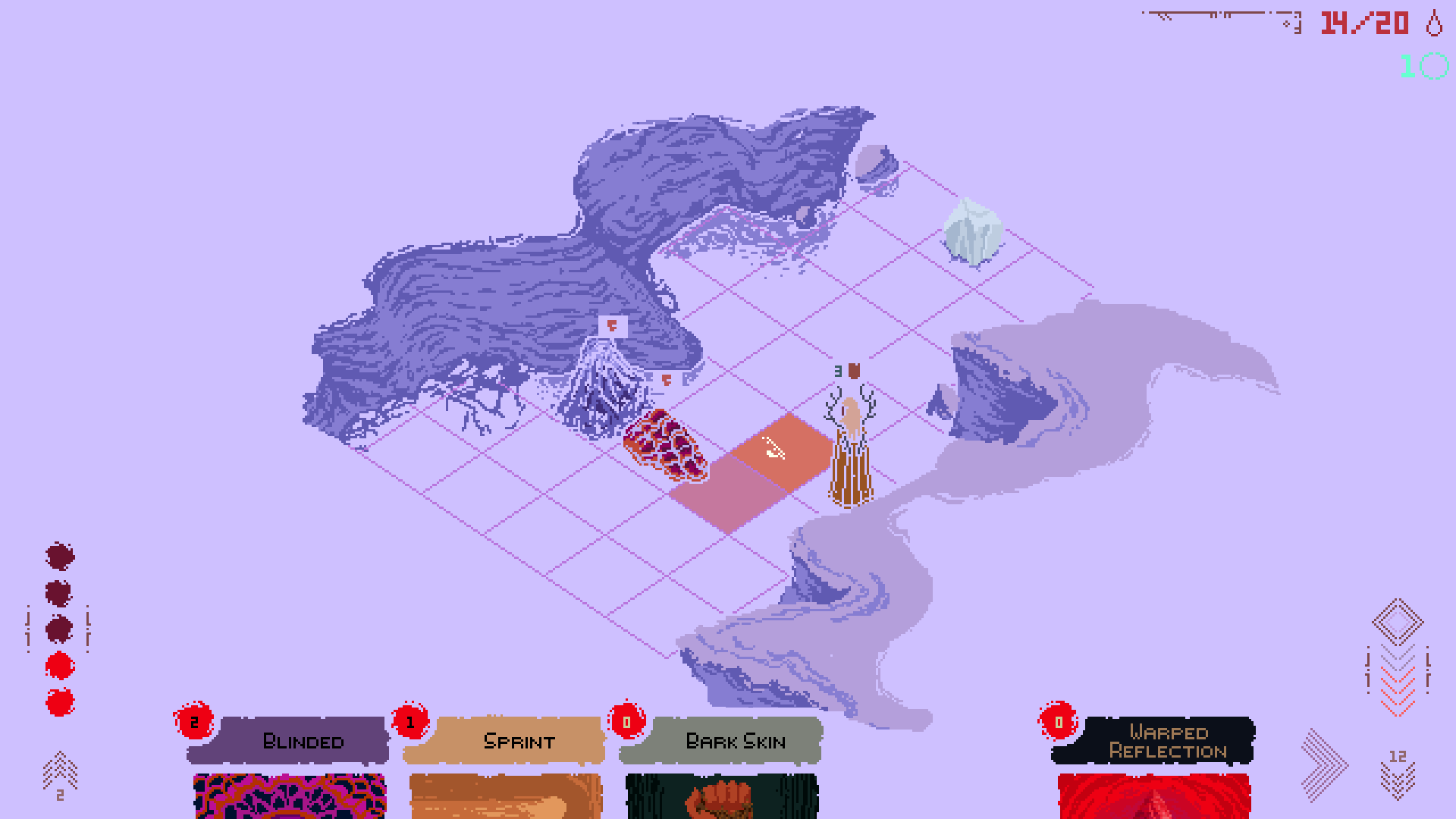
So, you’ve built a deck, spent some Death Howls and gotten yourself into combat. In combat you’re on a grid, often an uneven one. This allows you to space and block enemies more effectively, which is important because they can hit hard. Enemies have a move value and a few attack options depending on their range, as you’d expect. However, Death Howl also innovates a novel mechanic whereby an enemy at exactly the right range will perform a “Powerful” attack. This changes based on the enemy. For example the floating shark head spirits can charge and pierce you, ending in the space behind you. However, if you are against a wall, they cannot perform that powerful attack as there’s no space behind you. By carefully positioning yourself and controlling enemies you can avoid these powerful attacks and increase your longevity.
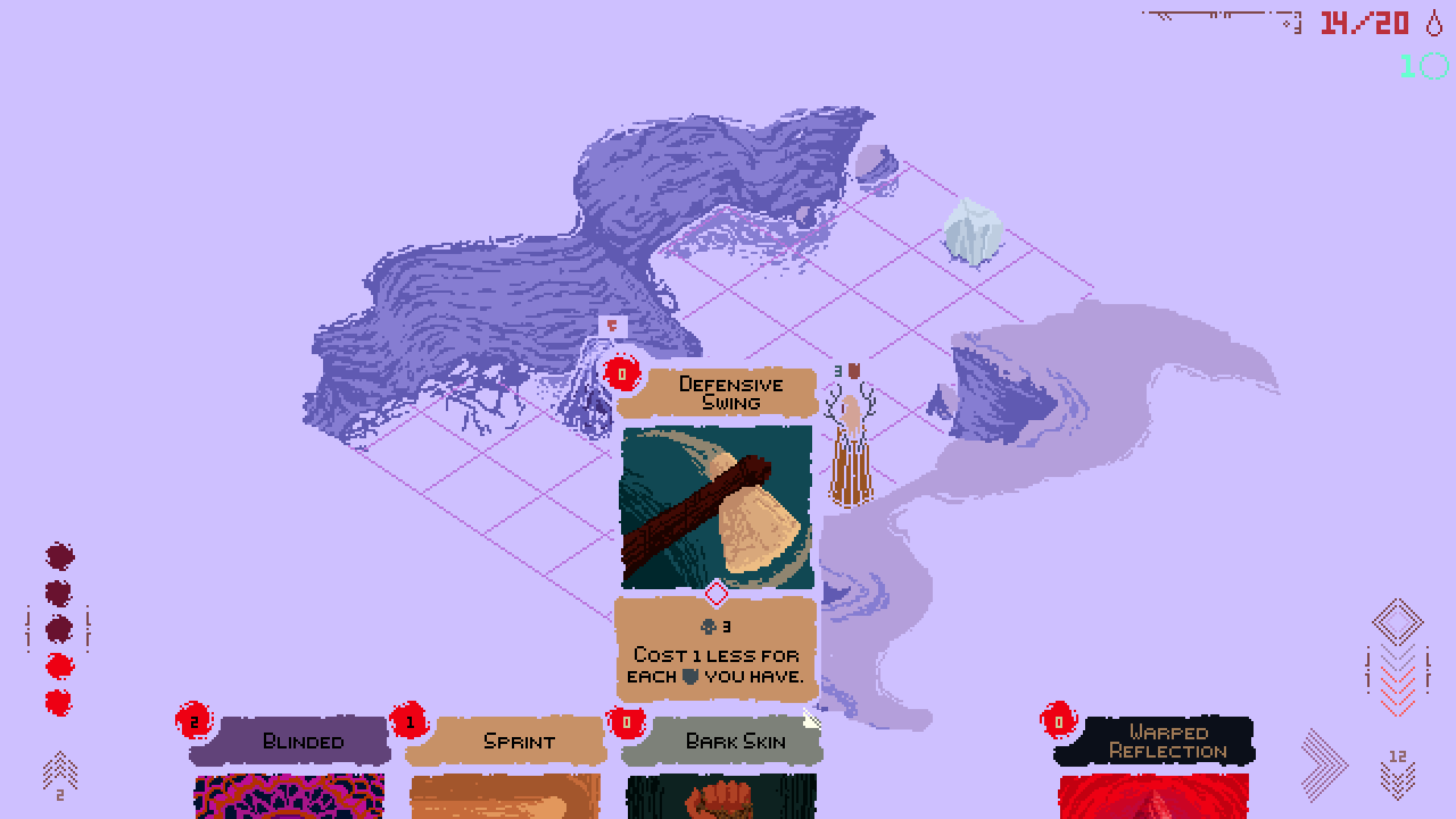
To control the battle you have Mana. These action points are used for movement and playing cards. Each tile of movement is one Mana. Cards have a cost associated, and many can be modified based on the Realm theme. For example some cards from the glacial Realm of Piercing Winds become cheaper the more Block you have. Balancing movement, playing cards, changing Mana costs and avoiding powerful attacks creates a tense battlefield where every choice counts. The movement and card playing resource is shared, unlike many games, so cards that move you and attack are incredibly valuable. These cards, such as Shadow Thrust, can provide two spaces of movement to a target and then deal damage all at once. As separate cards that would cost as much as four Mana, instead of just two.
It’s not a roguelike, but is it Soulslike?
You’d be forgiven for thinking “None of this sounds very Souls-like, what’s that about?” as both the Death Howl developer and the Steam tags do mention Souls games directly. Personally I feel it’s a disservice to Death Howl to reduce what it is to “Soulslike” but, there are some similarities:
- You do drop Death Howls when you die, and can retrieve them from that spot.
- Death Howls are both used to add cards to your deck and gain skill points (Teardrops) for each Realm’s skill tree, just like Souls are a shared currency in Dark Souls.
- There’s four “Lords” to go and slay in the same vein as Dark Souls 1 (post Ornstein and Smough).
But, really, Death Howl does its own thing. Despite the fact you drop Howls when you die, you respawn right next to the combat you failed. You do not reset to a “bonfire” and respawn all enemies on death. Enemies will only ever respawn when you manually choose to rest at a spirit circle.
You will respawn with whatever HP value you had before the fight started, rather than with max HP, so you can’t just die and respawn to progress. But, with enough persistence and perfecting your strategy, you might be able to get through a fight with just 5HP left that has killed you a few times in a row – all without losing your Howls so long as you pick them up each attempt.
To be clear, I don’t think Death Howl should start resetting enemy encounters and throwing us to a spirit circle when we die. If you play the game you’ll see why that would be too far, and one glance at the Achievement percentages shows that under 3% of players had finished the quests and Realms I had, so clearly difficulty is not needing an increase. I simply think that, since the approach is unique to its own special balance of difficulty and forgiveness, not everyone will necessarily think of it as “Soulslike”.
Patience is as important as persistence
One thing I did resonate with in the “Souls-like” way was that patience and taking a break to return later does make the game flow more smoothly. You never lose anything you can’t get back, and you always have the option to spend Death Howls on cards to minimise the amount you are carrying (and therefore minimise the amount you drop on death). By taking a break to explore elsewhere, grind some materials, do a quest etc you can come back stronger and refreshed. By visiting different Realms you’ll learn about new strategies and card types which can help make progress elsewhere.
A world and gameplay loop you can get lost in
Death Howl is a fantastic experience for those willing to learn. You have to work within the deck size constraints, explore thoroughly and take victories where you can find them. If you’re going to be off-put by a single failure, then the experience will be short-lived. However, Death Howl provides so many ways to not fail by rewarding exploration, minor combat repetition, deck experimentation and completing quests. When you first have your cards made more expensive by switching Realm it can feel harsh, but once you have a deck together and begin uncovering the options available to you then the Realm system feels more like a boon than a curse.
With comfortably 15+ hours of gameplay to explore everything, this is a genuinely complete and coherent experience worthy of pushing past the initial learning curve to witness.
Death Howl is accessible through Game Pass for PC and Xbox Consoles, as well as available on Steam.

Comments are closed.