

Over the past ten years we’ve reviewed an absolute stack of board games here on B3 and (secretly) we’ve played even more. Pounce answers a question that a lot of games don’t even attempt to: What do you do with your winnings?
What I mean by that, to be specific, is that most games don’t really give use, or direct you to use, your points and prize tokens right up until it comes to scoring. In fact, some games (Splendor) tend to end just as you get all of your ducks in a row, or engine into place. Pounce has an easy solution for this, and that is by having two separate stages of play: The initial being a reaction phase where you name items or objects that start with revealed letters while also matching a revealed category. The second phase offers a strategic layer whereby you win the game by being about to spell a five-letter (or longer) word with the letters you’ve captured in the first phase.
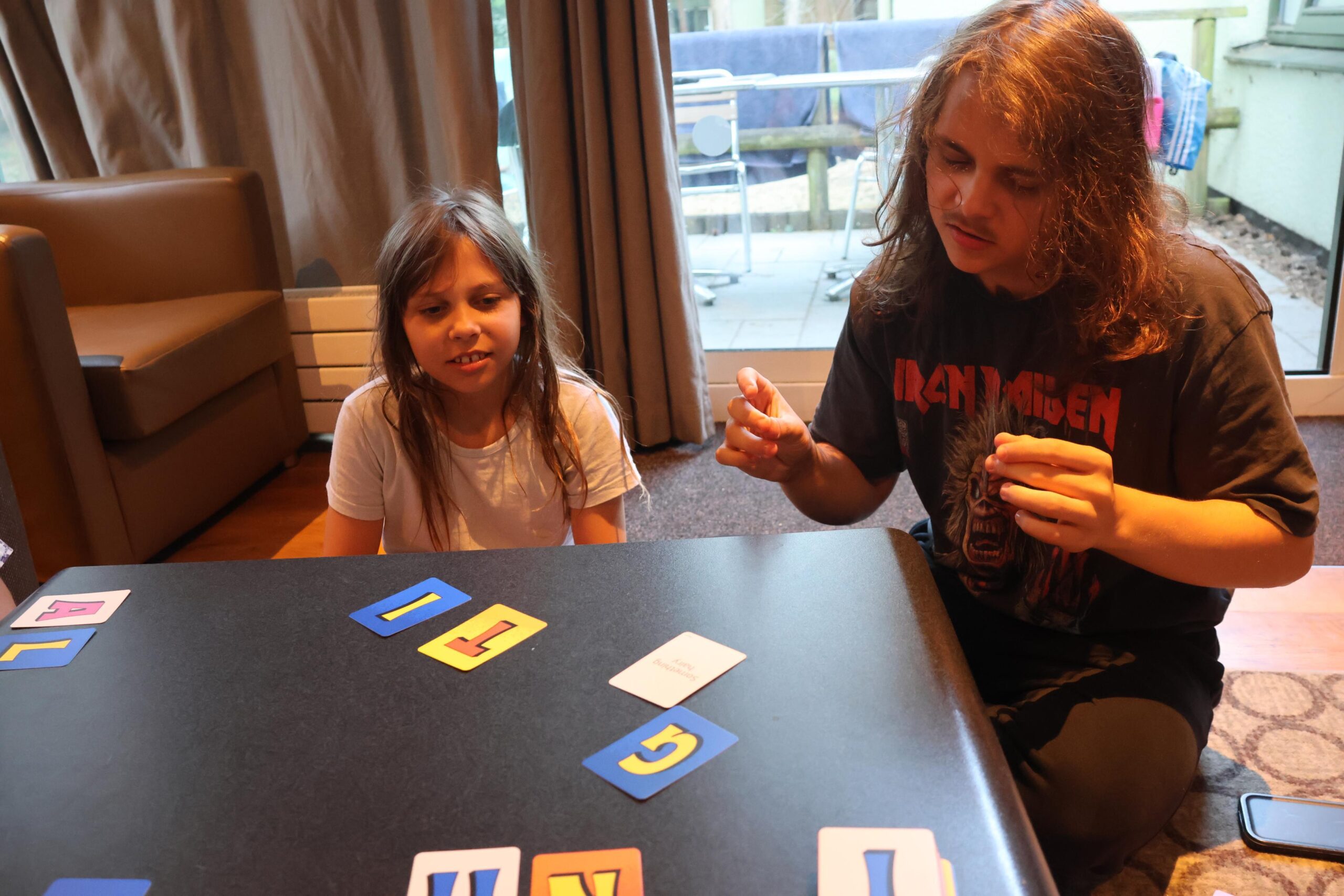
This second phase, essentially replaces a ‘first to ten’-style mechanic and means that there’s room for an extra layer of planning at multiple times throughout each turn. For a start, each turn is played with the same number of letter cards as players, however one of those letters are flipped. If you’re picking the letter then you can actively sabotage other players by flipping letters that might be useful to them, or you might well do the reverse for yourself, ensuring that your card isn’t the one sacrificed to be a category card.
I’m a big fan of pounce. I like that it takes that first phase, which would normally be an incredibly fast race to secure points and instead gives a little bit of room to think as you’ll all be trying to get letters that are useful to you. That pace also shifts throughout the following turns as people realise that lots of letters are already out in other people’s play zones, and as they start to think about the words that they can spell out.
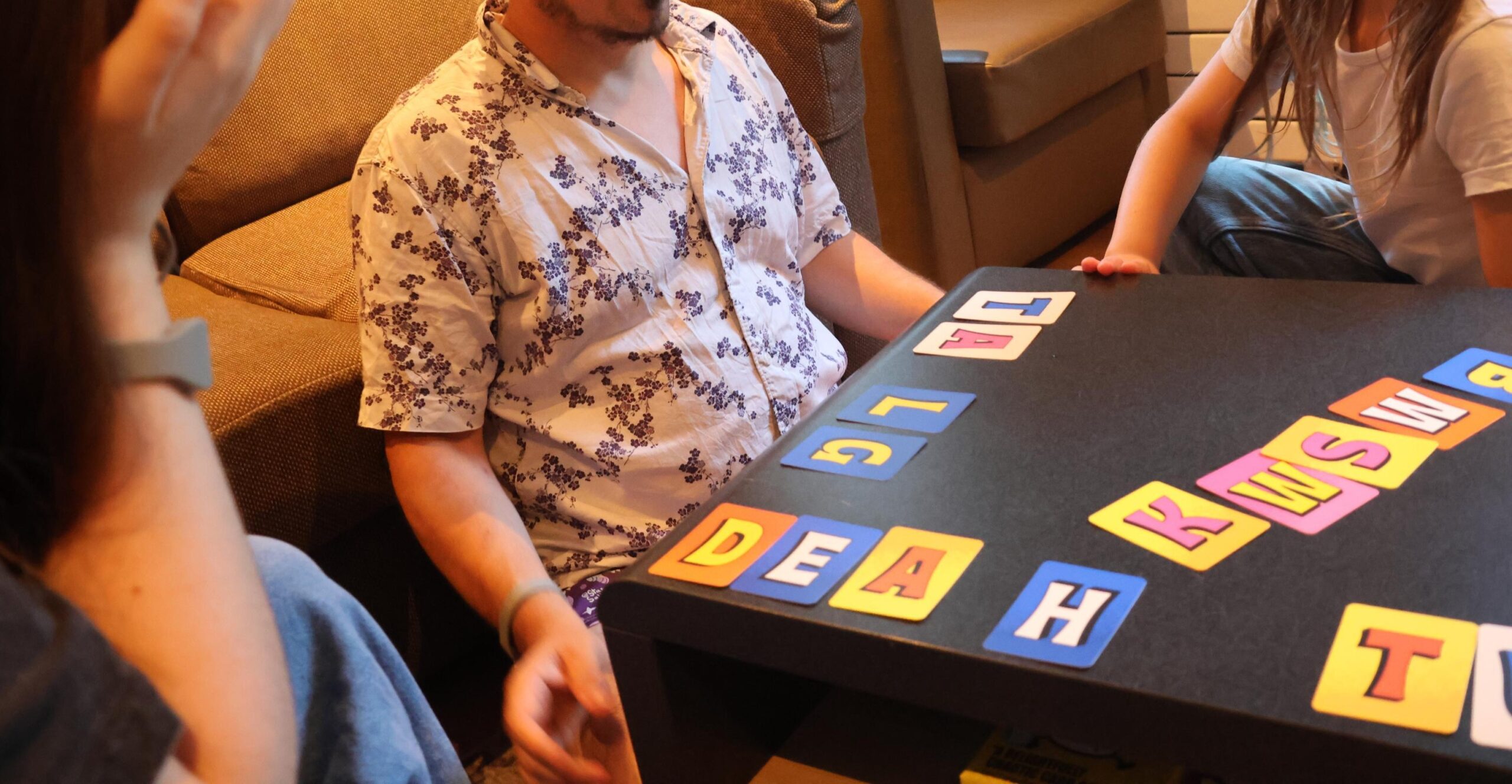
I also think that the choice to have the words be (minimum) five letters long is a good choice, it’s comfortably in the ‘add an s’ zone, but there aren’t too many S cards among the 80-card deck.
I’d argue that the weakest part of Pounce is its theming. The ‘Pounce’, ‘Growl’, ‘Purrfect letter-grabbing’ and cat imagery is good, but it feels like it came about much later than the concept of the game, something accentuated by the absence of any of this branding on the cards. Ignoring that, though, it’s a great one to take on a trip, easy to understand and with a fantastic competitive tension.
Pounce is available now from Amazon.
