

When Sunderfolk first released, we had nothing but praise for it.
Our veteran reviewer Rob Covell called it “an excellent tabletop game by way of a games console,” and as the resident tabletop obsessive, that line stuck with me. Rob’s review made it clear that Sunderfolk wasn’t just another tactics game — it was a hybrid experiment: A digital board game built around physical proximity, shared screens, and the idea of gathering people together. I’ve been meaning to dive into it ever since, and with the arrival of the massive 2.0 update, it felt like the perfect moment to finally see what Dreamhaven had been building toward.
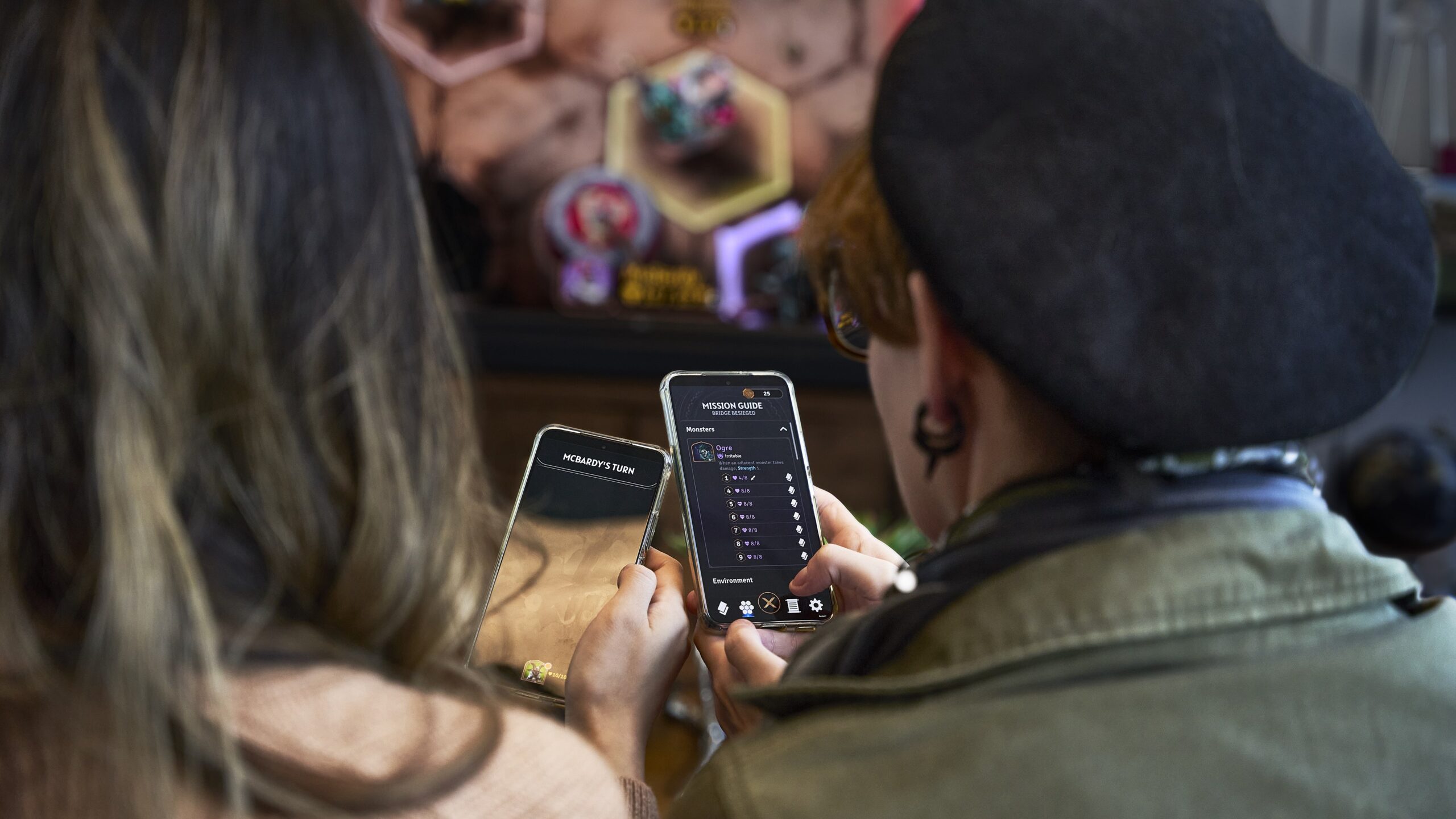
What I found is a game that has changed more than I expected. Sunderfolk 2.0 isn’t just a patch, but more of a conceptual pivot. It changes a lot about what the game is, who it’s for, and how it’s meant to be played — especially on console. Dreamhaven’s original concept for Sunderfolk was great: a digital board game where the main screen acted as the shared board, and players used their phones as personal controllers.
Even though we’ve seen this basic idea before in games like The Jackbox Party Pack, It was a clever concept when considered in context of a digitised tabletop experience — a way to reduce the overhead of tabletop gaming while keeping the social, face‑to‑face energy intact. Dreamhaven’s deep‑dive press release made it clear that this mechanic wasn’t intended as a gimmick; it was foundational to the entire game design.
On console, the phone‑controller setup was seen as awkward by some. It required onboarding, QR codes, device compatibility, and a level of coordination that simply didn’t fit the living‑room reality of most players. Instead of a digital board game, console players treated Sunderfolk like a traditional tactics RPG — usually played solo. For us, it might have been perfect were it not for the fact that my cooperative partners (my kids) only have one very aged phone between them, and so I’ve ended up broadly in this category.
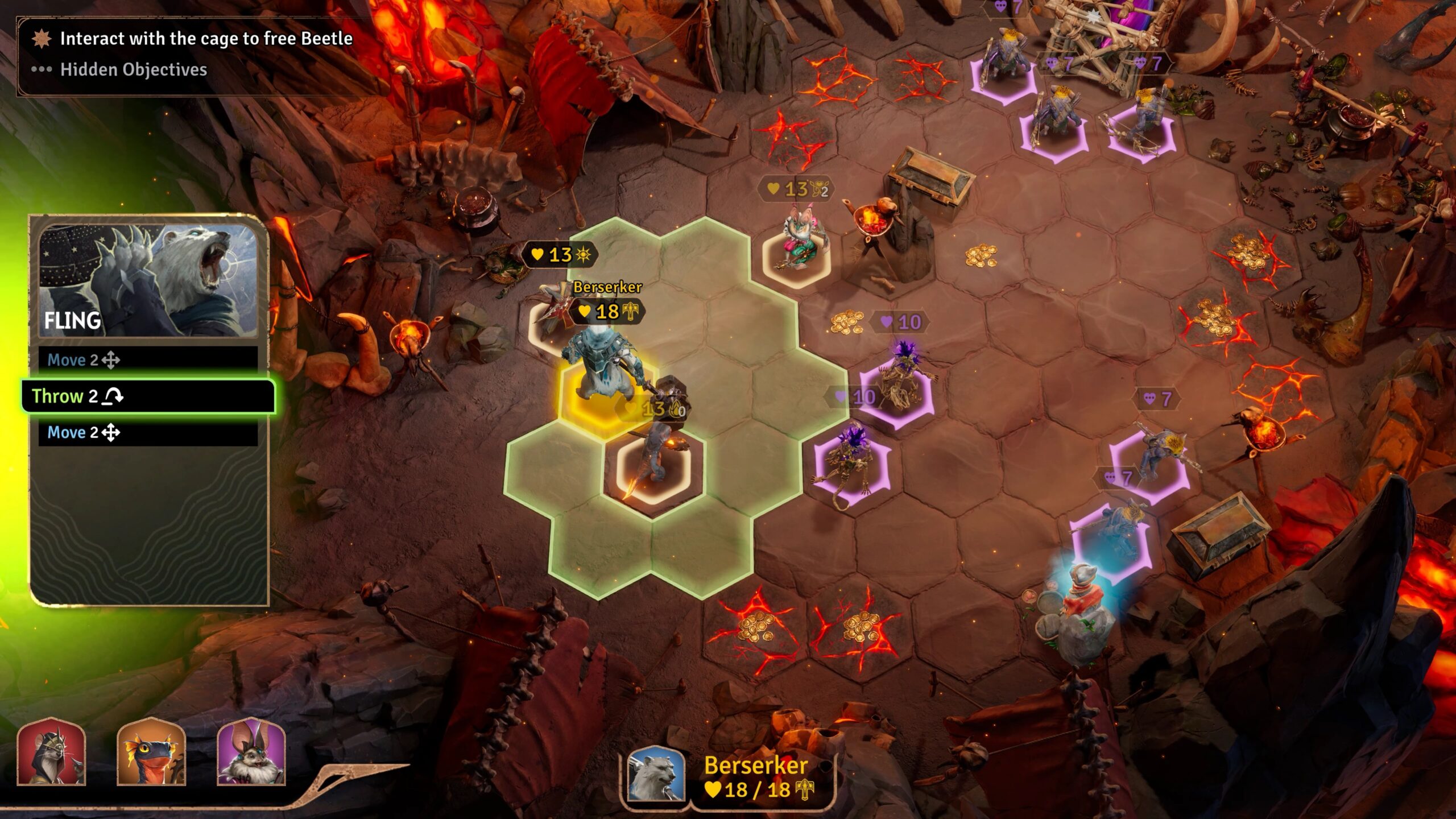
Experiencing Sunderfolk as a traditional solo tactics game, I found myself agreeing with most of what Rob said in his original review. It’s good — sometimes very good — but also quite safe and familiar. The tactical structure, the hero abilities, the turn‑based pacing… these are things I’ve seen in many other games and I have absolutely no complaints about that, but I’ve got relatively little to say in terms of high points either.
What 2.0 does is tighten the experience. The UI seems cleaner and more responsive, the controls are much more responsive and the visual feedback is clearer. I didn’t play loads of Sunderfolk before the update, but I do recall clunkiness across the interface that just isn’t present any more, and the game feels less “experimental” and more like a fully realised tactics RPG. The solo experience is solid rather than surprising, and the hook remains focussed on asking your friends to grab the app, sit down and dive into a couple of quick, straightforward D&D type scenarios.
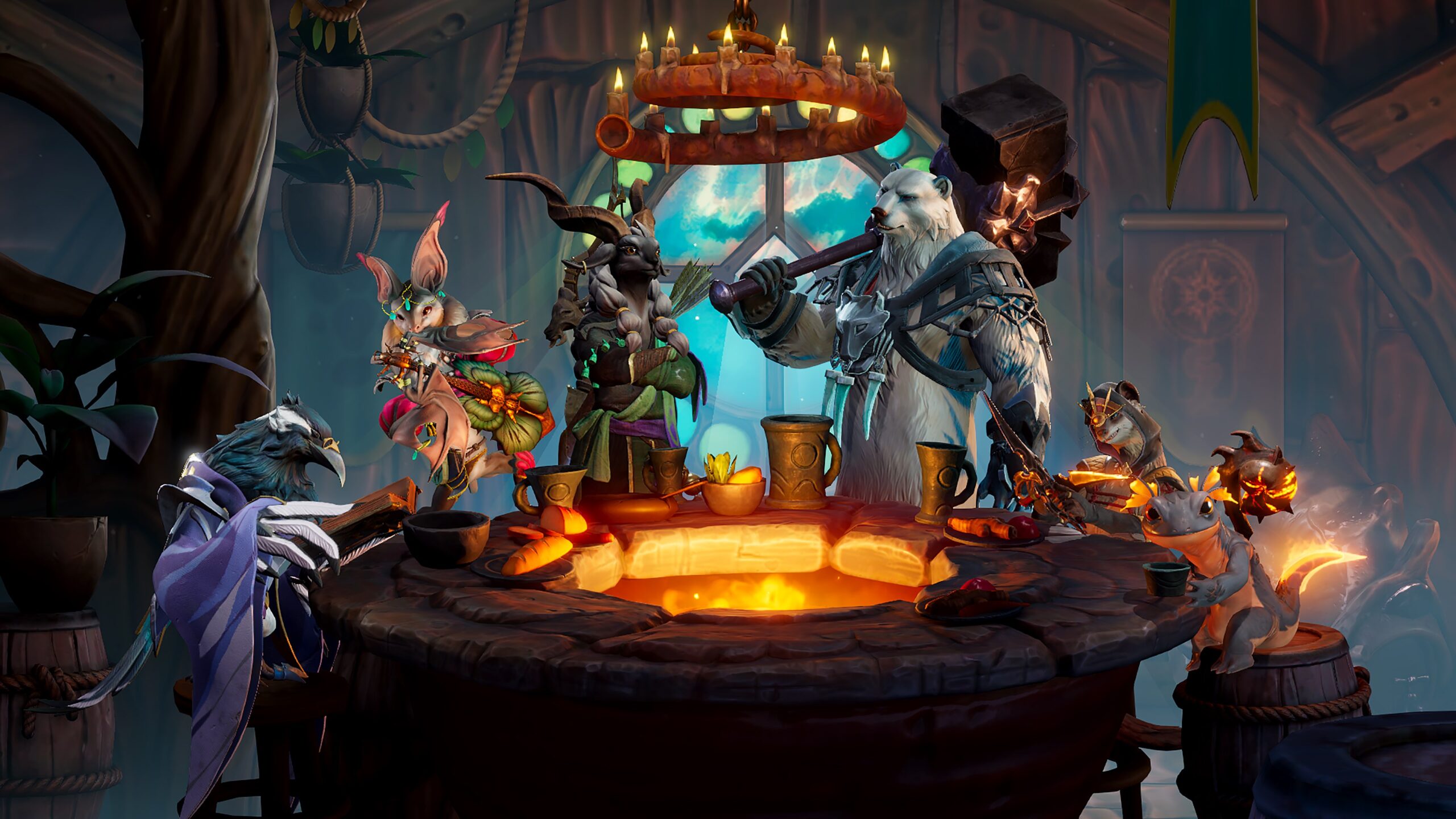
On that note, or at least adjacent to it, is the biggest and most transformative change in 2.0 which comes in the addition of full online multiplayer. Before this update, console players were limited to local co‑op, which made Sunderfolk feel a bit tricky unless you have two or more core gamers in the household — now you can reach out to friends and players in the broader community who (with good voice chat) can really enhance the experience.
You can now host sessions, join friends, and play the entire campaign online with full cross‑platform parity. And suddenly, Sunderfolk’s structure makes far more sense. The tactical pacing, the cooperative synergies, the hero interplay — all of it feels more natural when you’re playing with others who aren’t physically next to you. It’s worth noting, you’ll still be using your phone as the sole controller, however!

Additionally in Sunderfolk 2.0 is the introduction of the Vanguard class, which is perhaps the headline mechanical addition in 2.0 — and it is a strong one. The Vanguard leans into reactive play — retaliatory attacks, positional manipulation, and battlefield mobility. They’re designed to reward players who think one turn ahead, baiting enemies into bad positions and who like to use positional play and the environment as a weapon.
2.0 also introduces two new scenario sets — Arena Rumble and Sacred Sand — both playable in One Shot Mode. Rather than just being throwaway side missions; these sets offer compact, multi‑mission arcs that feel like digital equivalents of board‑game scenario packs. I like these for online multiplayer especially, as they are chunky enough to offer substantive play sessions, but they don’t require the commitment of weeks and months that you might be able to setup at home.
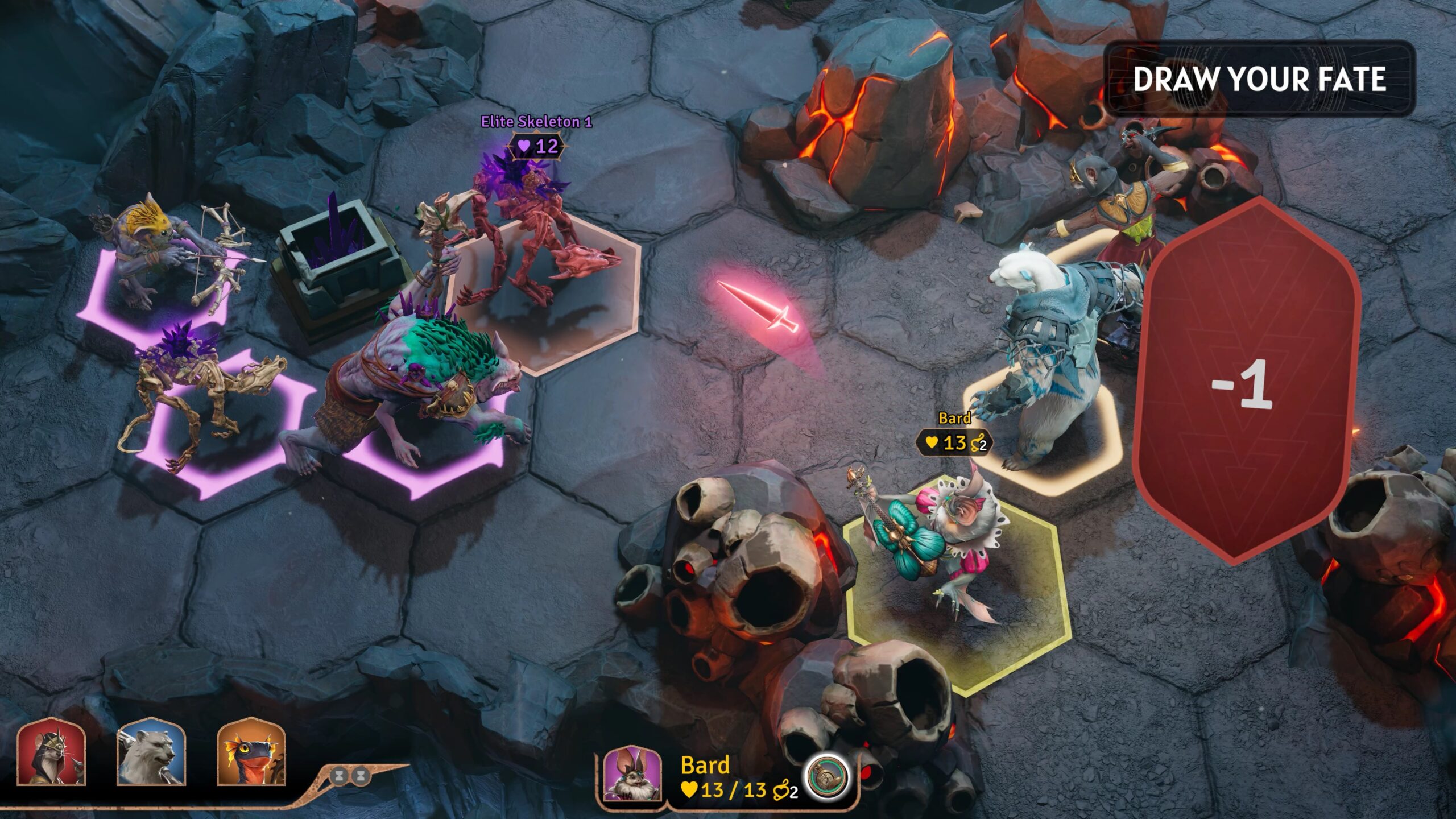
These scenarios are self‑contained, thematic, and designed for replayability. They encourage experimentation with different heroes and strategies, and for console players, they add something the original release lacked: modular content that you can dip into without committing to a full campaign.
Under the hood, 2.0 includes a long list of UI, UX, and stability improvements that the press release lists, but which I have absolutely no basis upon which to test or comment on. These changes usually matter more on console than anywhere else because console players have no time for patches and faffing with settings in the way that PC gamers do. Clean menu navigation, responsive controls, and consistent visual feedback are essential for a tactics game played with a controller and Sunderfolk seems to have all that (whether or not it used to, I cannot say.)
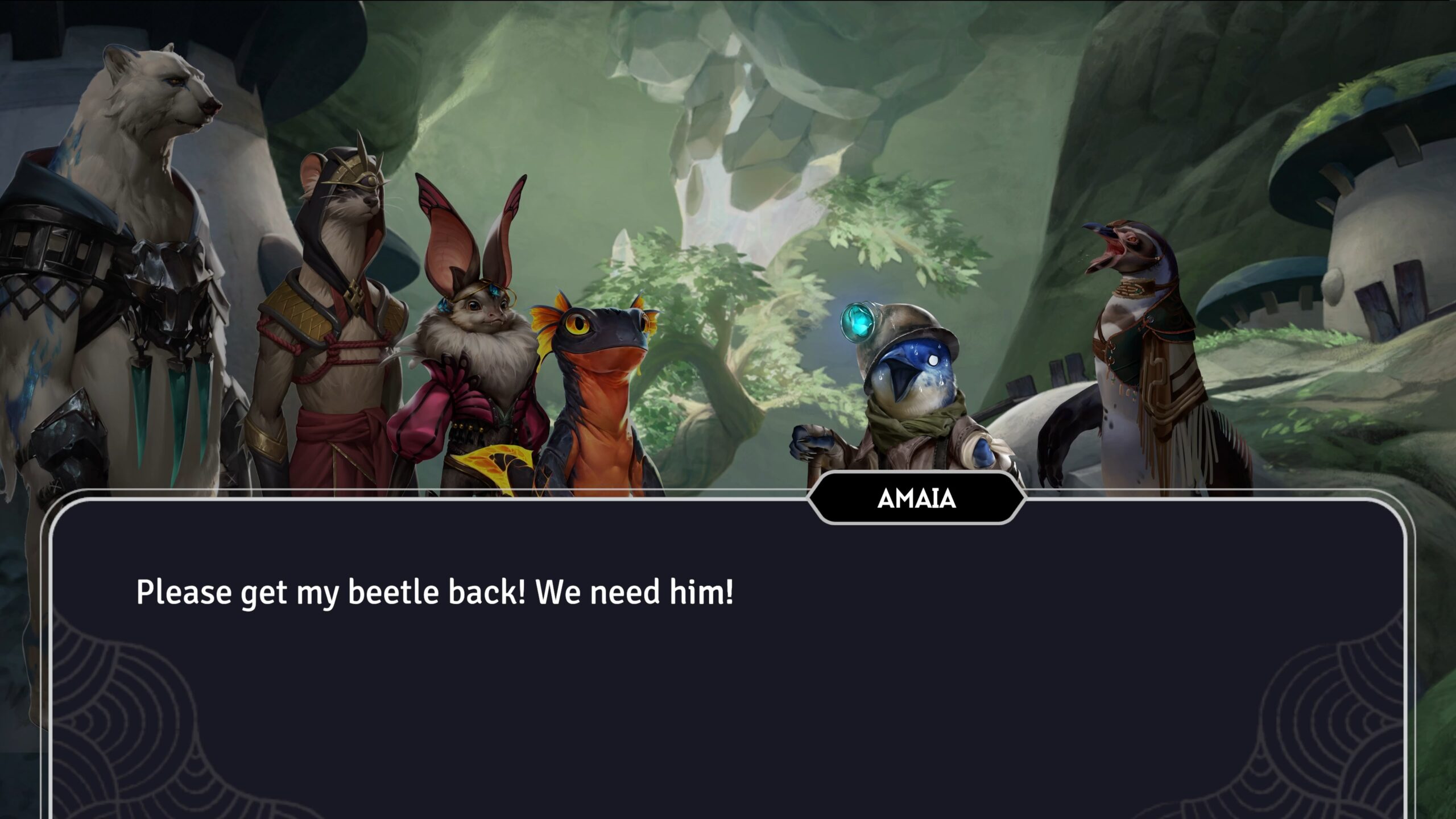
Taken together, these changes represent a strong pivot towards the mainstream, albeit with the novel use of your phone as a controller. Sunderfolk is no longer defined by its original identity as a phone‑controller‑driven novelty with a “so-so” RPG behind it. It has become a more conventional, more accessible, and ultimately more robust tactics RPG that also offers a more accessible way to play with your visiting friends.
For console players, Sunderfolk 2.0 is now a more interesting and well-rounded experience. Whether it’s a revolutionary shift from the original release, I can’t say, but it’s easy to play, easy to access, and certainly easier to share with others now that you have both online and offline options. The new hero and scenarios add meaningful content and the controls feel natural. The online multiplayer finally gives the game the flexibility it always needed and if you have a good group, Sunderfolk gains levels in terms of the experience.
Sunderfolk is available now for PC, as well as Xbox and PlayStation consoles.
