

ICARUS: Console Edition is one of the more ambitious survival games to make the leap from PC to Xbox, and in many ways it succeeds in delivering the same atmospheric, punishing, and strangely hypnotic loop that defined the original. The titular alien world is harsh and beautiful, storms feel genuinely threatening, and the mission‑based structure — dropping down to the planet, surviving long enough to complete objectives, and extracting before the timer runs out — remains a compelling twist on the usual open‑ended survival formula.
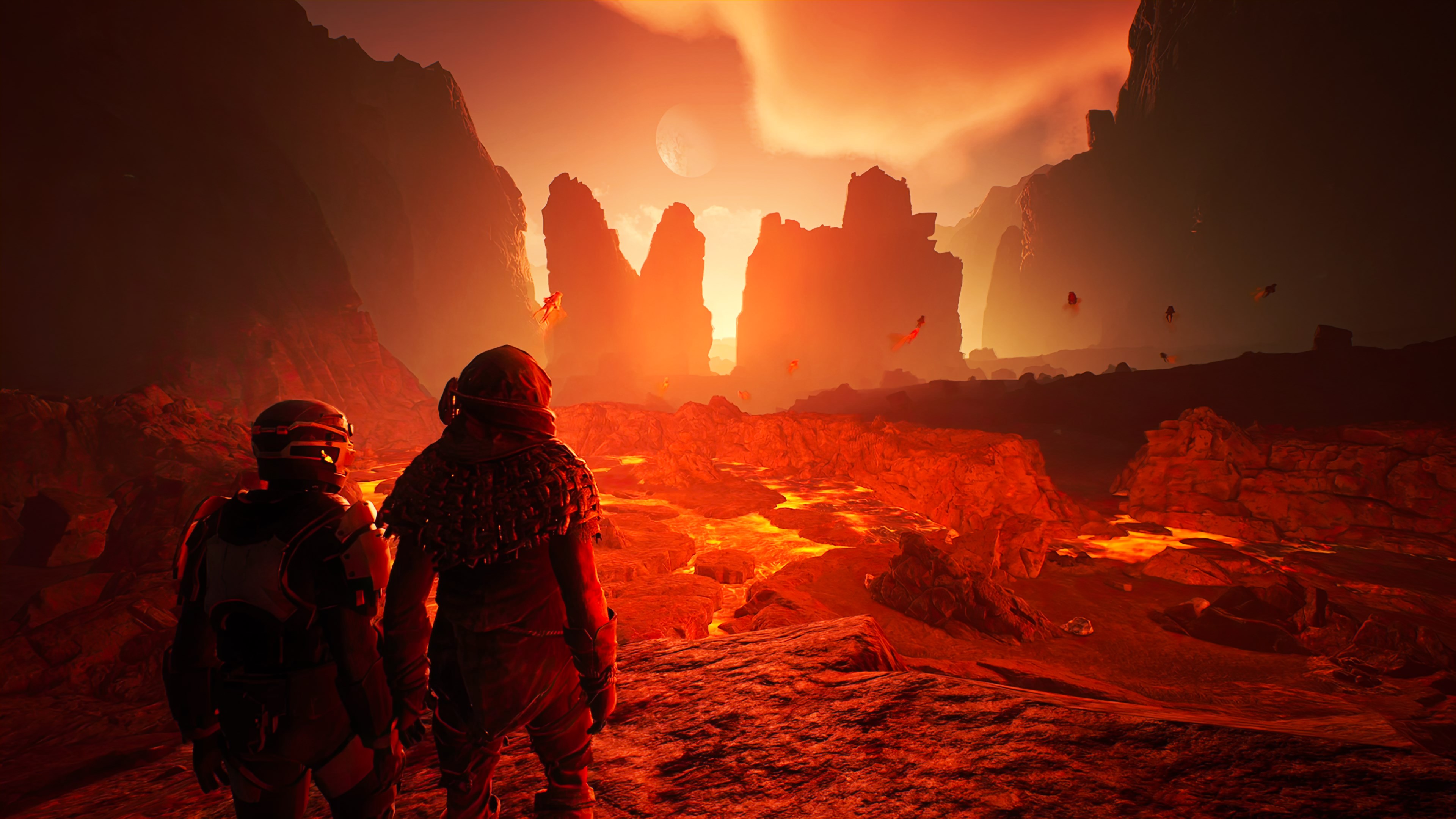
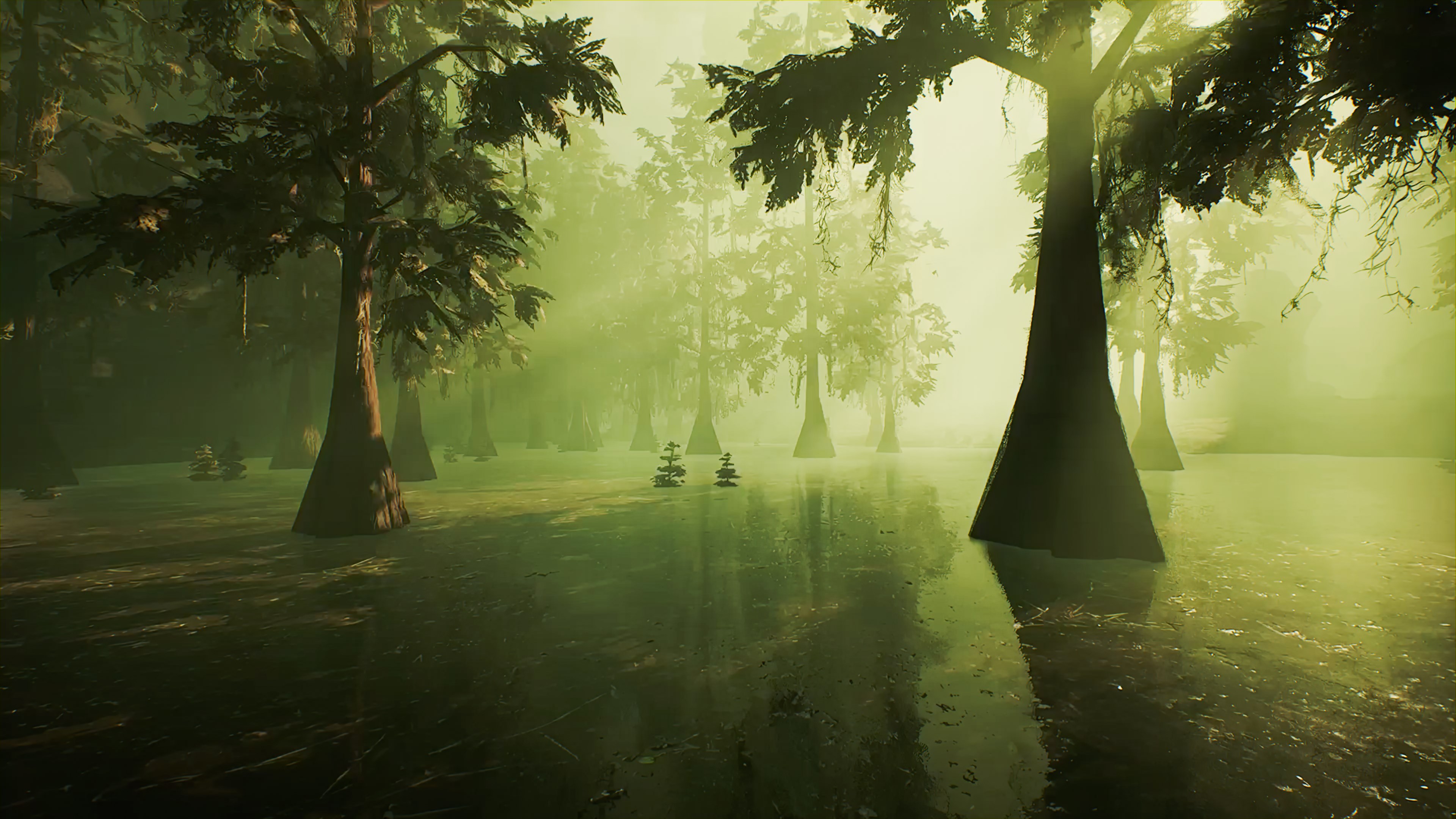
Visually, ICARUS holds up well on console. Forests feel dense, valleys stretch into the distance, and the lighting during storms or sunsets can be genuinely lovely. The sense of scale is — at worst — impressive, and at best staggering at times, and the world feels alive in a way that many survival games struggle to achieve. Weather is one of Icarus’ standout features: storms roll in with real menace, forcing you to scramble for shelter or risk lightning strikes, falling trees, or exposure. More than once, my proudly constructed wooden lodges fell victim to fire and natural disaster.
The core survival loop translates well to a controller and despite the complexity of the available actions, things work broadly as you would expect. Gathering resources, crafting tools, building shelters, and hunting wildlife all feel natural enough once you’ve adjusted to the various menus and the slightly sluggish pace of console navigation. The early missions do a decent job of easing new players in with a very basic tutorial, and once you understand these basics, the game opens up into a surprisingly deep progression system.
Unlocking new crafting blueprints, improving your character with passive effects, and gradually taking on more ambitious missions creates a strong sense of long‑term growth if you have the patience for it. The Console Edition includes years of PC updates (although probably not the very latest), meaning there’s a huge amount of content available from day one.
Despite strong overall performance, the user interface is where the Console Edition struggles most. Inventory management, in particular, feels far more cumbersome than it should. Transferring items between your inventory and a container — whether it’s a storage box, a crafting bench, or even a cooking fire — is slow and oddly manual. Moving stacks feels like dragging them through mud, and the GUI doesn’t clearly indicate where items are going to land. It’s functional, but never intuitive, and even after dozens of hours you still find yourself wrestling with it.
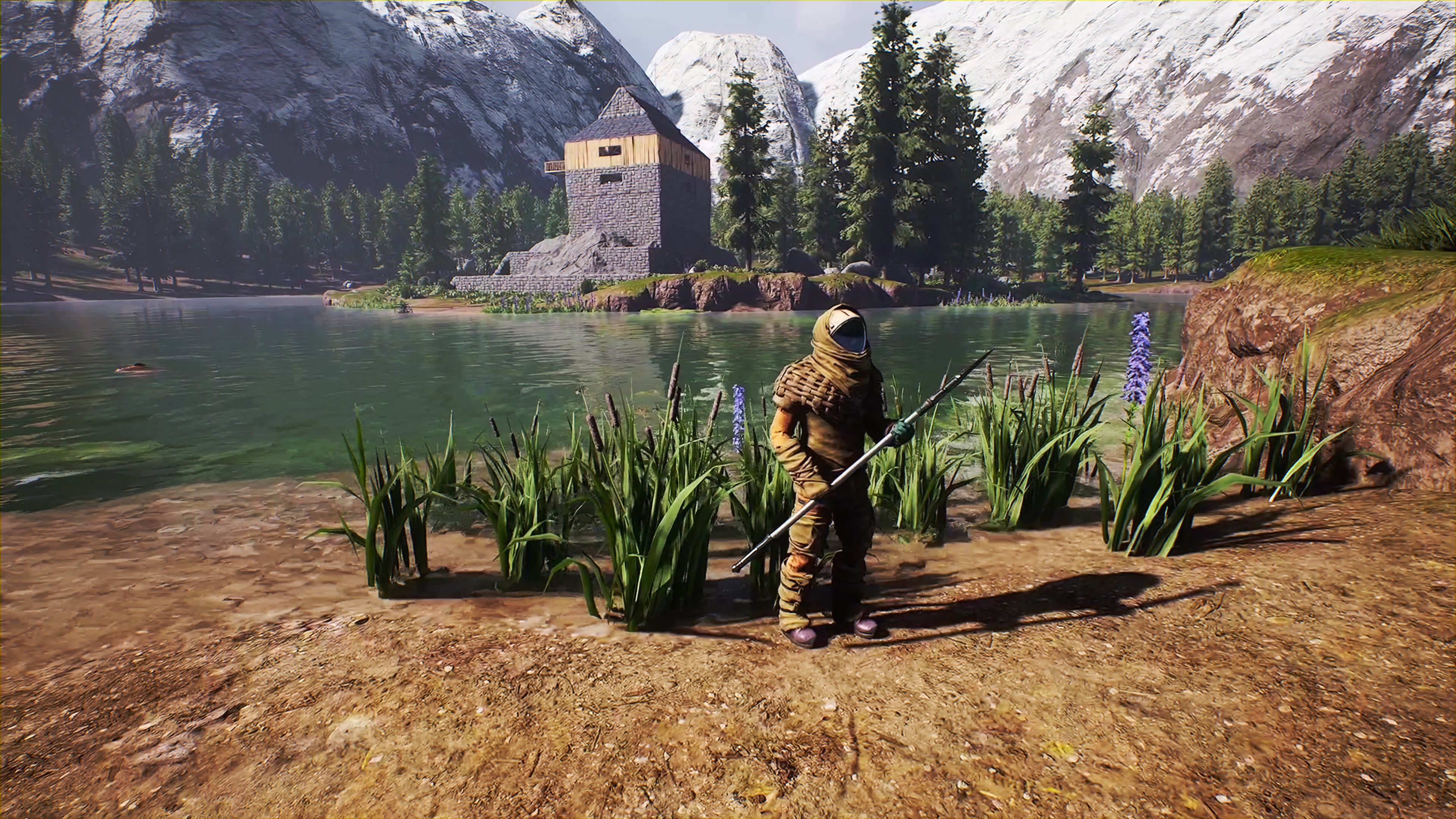
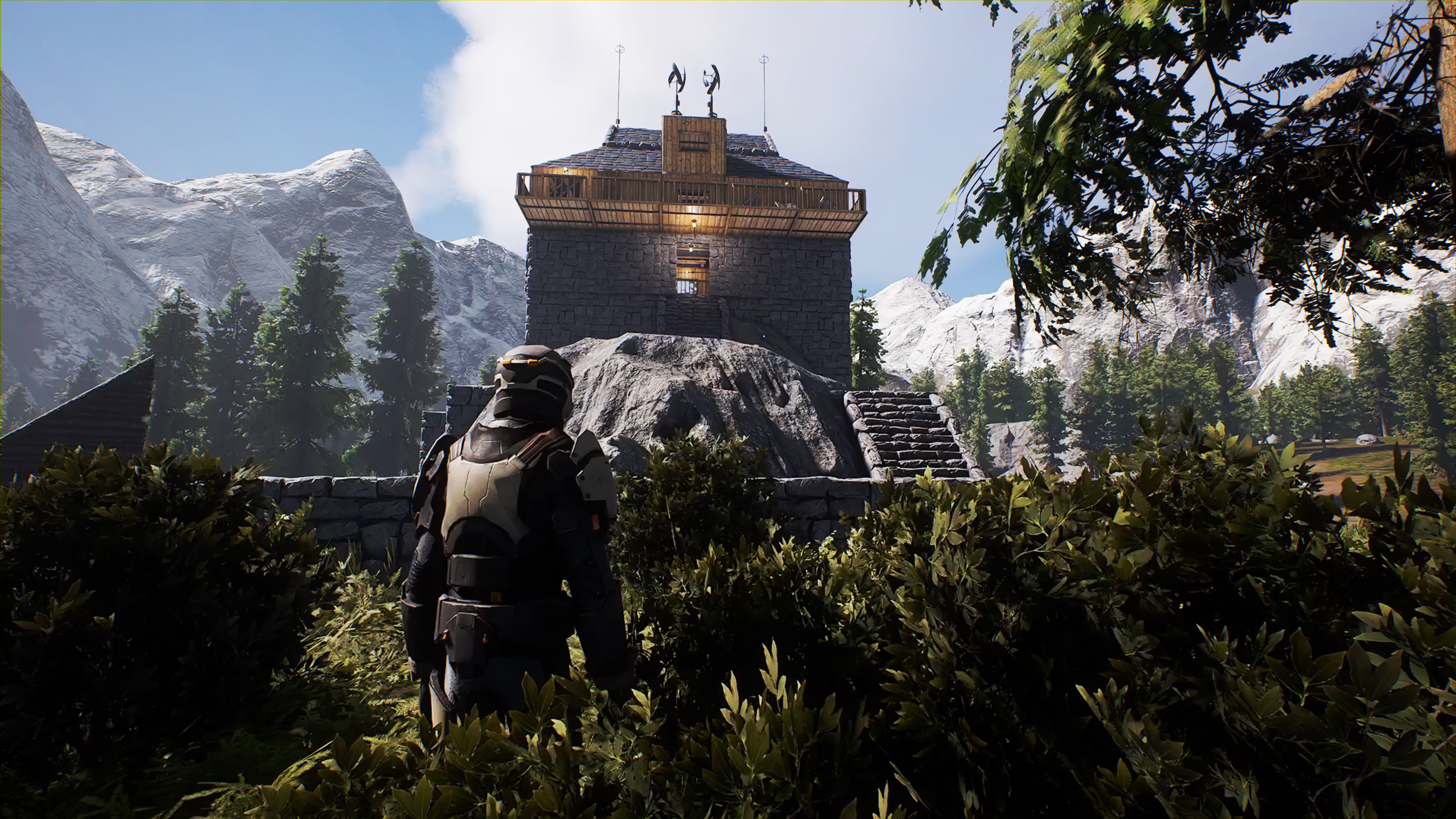
The building suffers from similar issues. There’s no obvious “build mode” to enter. Instead, you must click Deploy on a construction item to place it and trigger what I would typically refer to as the aforementioned “build mode.”. That works, but it’s not elegant, and it leaves some basic actions — like repairing structures — feeling hidden. Even after more than a hundred hours, the only reliable way to repair a damaged wall or roof that I’ve found is to knock it down and rebuild it. It’s not game‑breaking, but it’s the sort of frustrating minor issue that accumulates over time, especially in a game where storms and wildlife regularly batter your base.
The grind is another defining part of the experience. Each mission drops you back to square one with stone‑age tools, forcing you to gather fibre, chop trees, mine ore, and rebuild your toolkit from scratch. You do carry over your tech tree and character progression, which helps massively, but the early‑game loop remains the same every time. To some extent, I enjoyed the rhythm of it — the scramble for shelter in a new environ, the race to craft a bow before wolves (or something much worse) finds you — but there’s no denying that it can feel laborious. I think ICARUS could have used its roguelite systems better here, perhaps allowing more and faster low-tech progression in return for greater expectations at the Tier 4 end of the tech tree in certain missions.
On the topic of wolves and such, combat and wildlife encounters are tense and occasionally brutal. Wolves, bears, and other, extraterrestrial creatures are a real threat, especially early on. The console controls make ranged combat feel pretty good, though melee can be a bit bit clumsy. That said, Icarus wants and needs the player to feel vulnerable, and it generally succeeds. The game’s AI is fairly predictable once an enemy is up in your grille, but when and where enemies spawn from is unpredictable in a logical way that gives the world authenticity.
Performance on Series X is generally solid, though not flawless. The world of ICARUS is dense, and occasional frame dips or texture pop‑ins can appear during storms or heavy action. Nothing game‑breaking, but often noticeable. Load times, however, are excellent — drops begin quickly and returning to orbit is fairly snappy. ICARUS feels stable overall and crashes are rare, which is impressive given the scale of the environments.
Where ICARUS: Console Edition truly shines is in cooperative play. The game is simply more fun with others. Coordinating roles, dividing tasks, and tackling missions as a team brings out the best in the design. On Xbox, with voice chat and couch‑friendly pacing, the cooperative loop feels completely natural. Building a base together, exploring dangerous biomes, and extracting exotic materials under pressure creates memorable moments that few survival games can match.
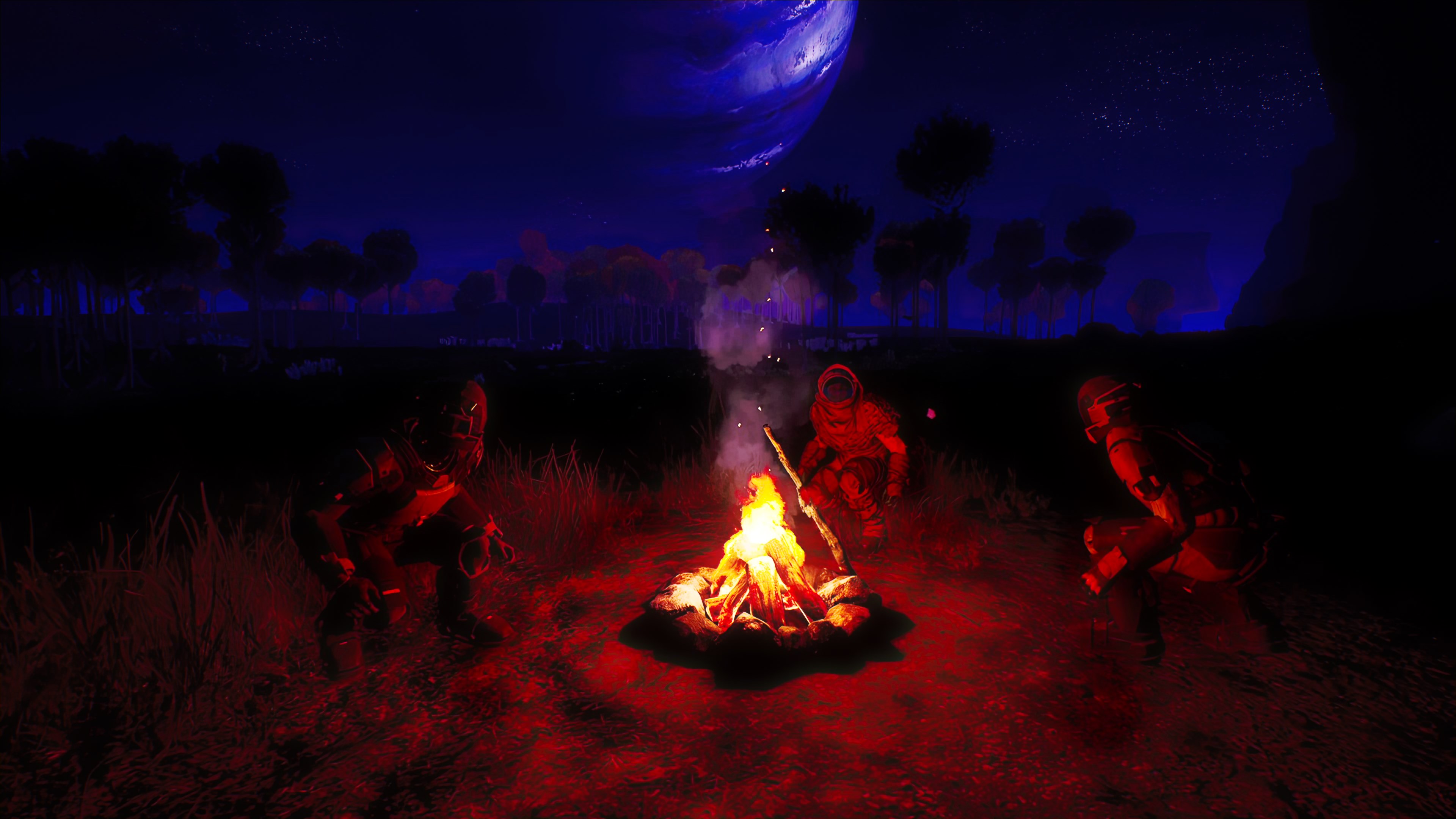
Despite its flaws — the clunky UI, the opaque building tools, the repetitive early‑game grind — ICARUS remains a compelling survival experience. The world is vast and beautiful, the storms are thrilling, and the mission structure gives the game a sense of purpose that many survival titles lack. ICARUS rewards patience, planning, and persistence, and it offers a huge amount of content for those willing to invest the time.
ICARUS: Console Edition isn’t perfect, but it’s atmospheric, ambitious, and satisfying once you settle into its rhythm. If you enjoy structured missions, harsh environments, and the satisfaction of carving out a foothold in an unforgiving world, it’s well worth the descent.
Icarus is available now on Windows via Steam, with Icarus: Console edition launching soon on Xbox.
