

Nioh 3 on PlayStation 5 is the most confident, ambitious, and wide‑ranging evolution of Team Ninja’s so-called “Masocore” formula to date. It draws heavily on the precision and intensity of Nioh and Nioh 2, folds in lessons from Wo Long: Fallen Dynasty and positions itself directly in competition with FromSoftware’s Dark Souls and especially, Elden Ring.
What emerges is Nioh 3, a game that feels both familiar and newly expansive — a hybrid of tight, stance‑driven combat and broader, open‑zone exploration that pushes the series into new territory without losing its identity.
It mirrors the way Dark Souls evolved from a largely linear dungeon‑crawler into the expansive, open‑world structure of Elden Ring, carrying the Nioh series along a similar trajectory. Yet even though Nioh 3 clearly draws on the most successful elements of FromSoftware’s transformation, it doesn’t stop at mere imitation. Team Ninja have pushed the boundaries even further — offering greater scale, broader player choice, and, most notably, a potentially deeper and certainly more complex core experience.
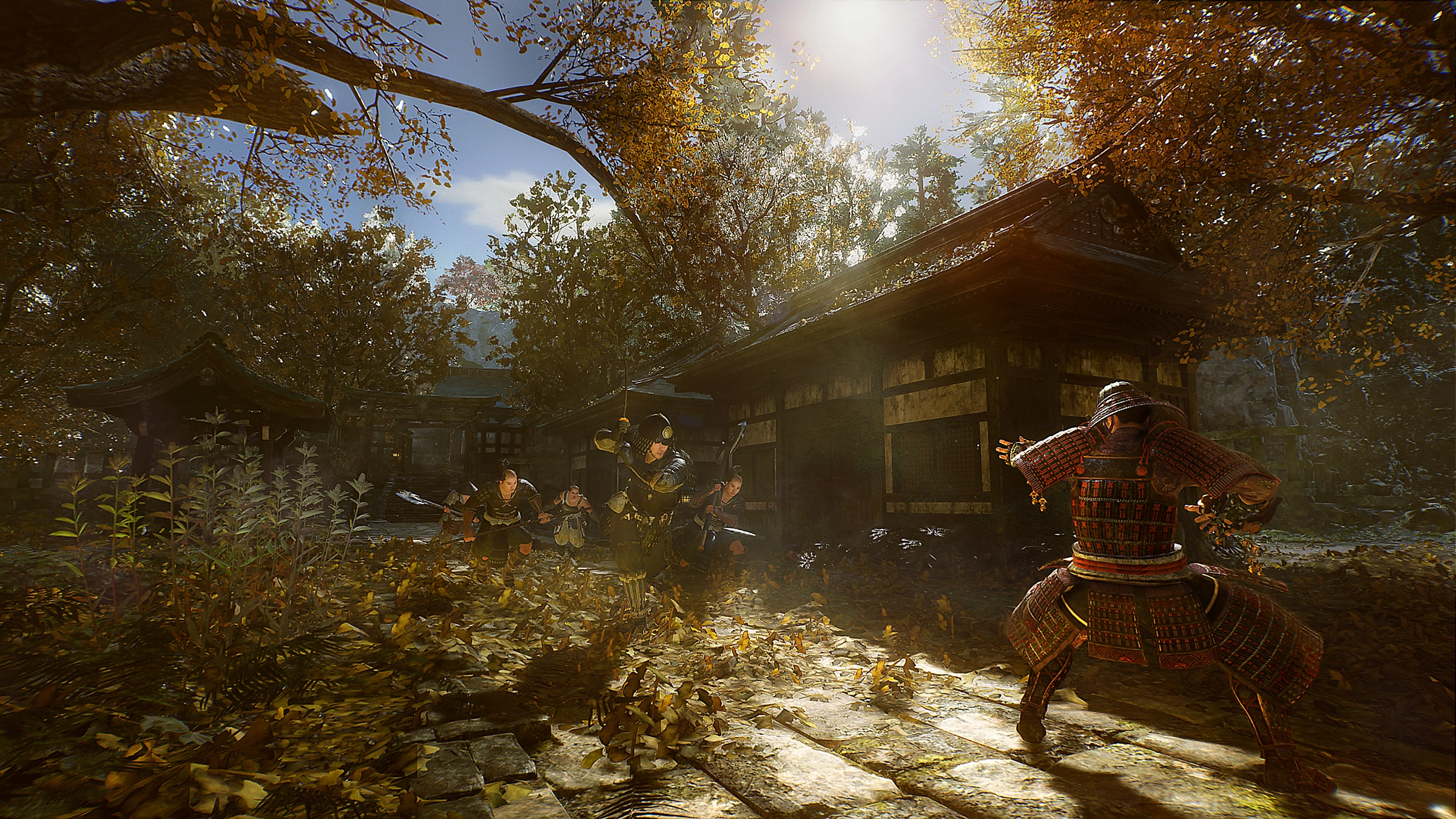
The first thing you notice is how different Nioh 3 feels the moment you boot it up. After six years since Nioh 2, the leap to a native PS5 release is immediately apparent: faster loading, smoother animations, and a level of responsiveness that makes even the most demanding encounters feel fair and readable — even if the onscreen action is occasionally too much for a middling-skill gamer like me. Nioh 3 opens with an in‑depth tutorial that introduces its dual combat styles — Samurai and Ninja — with further additions to the control scheme and moveset coming pretty thick and fast for the first four or five hours of play.
The Samurai style is the natural continuation of the series’ traditional stance‑based combat. High, mid, and low stances return, each offering different tempos, ranges, and defensive profiles as well as a huge range of specific attacks. High stance remains the aggressive, risk‑reward option; mid stance is the all‑rounder; low stance is fast and evasive.
Ki Pulse, one of the defining mechanics of the series, is still central to mastering the Samurai style, rewarding precise timing with stamina recovery and purification effects. What’s new is how fluidly the game lets you transition between stances and styles. The PS5’s improved responsiveness makes stance‑dancing feel more intuitive than ever, and Lord-knows, you’ll need to be quick to keep up with some of Nioh 3’s enemies.
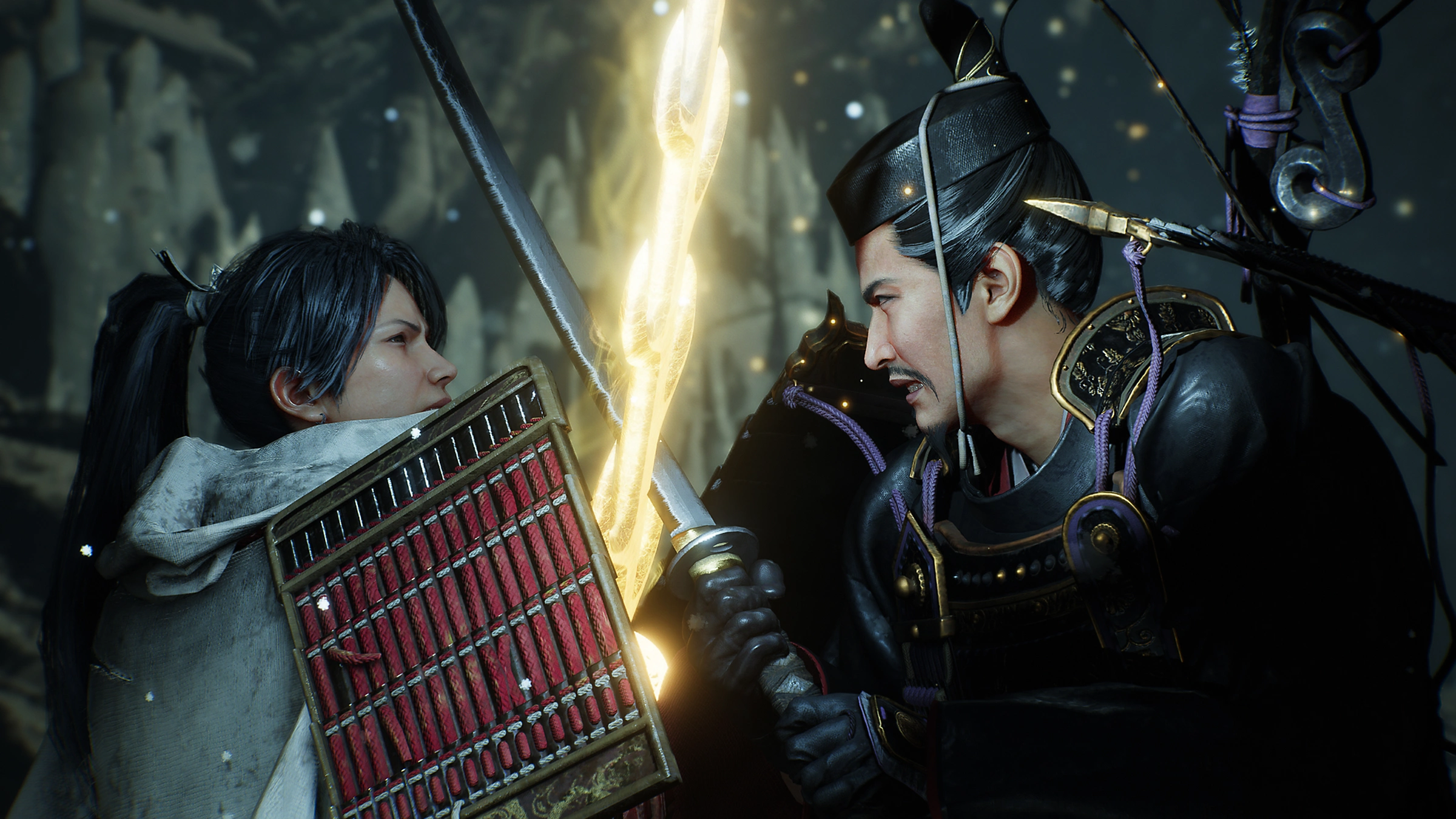
The Ninja style is the main addition, and it fundamentally changes how the game plays. It’s faster and more evasive than any Samurai style, and is built around mobility and burst damage. Dodges have more invincibility frames and special effects, attacks chain more freely, and ninjutsu techniques — from shuriken to elemental traps — integrate directly into combos rather than sitting on the periphery.
This style isn’t just a gimmick; it’s a fully realised alternative moveset that encourages a different rhythm of play, and over most of my play time, it’s been my preference. Where Samurai rewards discipline and timing, Ninja rewards aggression, improvisation and hit and run precision. The two styles complement each other beautifully, and being able to switch between the styles and stances at any moment adds a layer of tactical depth that neither Dark Souls nor Elden Ring attempts. Honestly, it’s too much for me a lot of the time, and players should be aware that Nioh 3 has a much higher ceiling than a lot of players will ever reach.
Structurally, Nioh 3 marks the biggest departure from its predecessors. The first two games were mission‑based, with self‑contained levels that emphasised repetition. Nioh 3 instead adopts an open‑zone structure — not quite the seamless open world of Elden Ring, but a series of large, interconnected maps spanning different regions and, bizarrely, time periods.
These zones offer freedom to explore, complete side quests, and tackle optional challenges before pushing toward the main objective. It’s a hybrid approach between mission-based games and true open worlds. Nioh 3 is more open than Nioh or Dark Souls, but more structured than Elden Ring with a bit more — but still not loads — of storyline and exposition via cut scenes. Some sections feel like traditional open‑world maps divided by load screens and dotted with activity icons, but the density of combat encounters and loot keeps exploration engaging.
The story is more defined than in Nioh 2, placing you in the role of Takechiyo Tokugawa, eldest grandchild of Ieyasu Tokugawa. A betrayal by your younger brother Kunimatsu sends you on a time‑traveling journey through different eras of Japanese history. It’s a more character‑driven narrative than most games of this kind and it uses its historical backdrop to explore themes of legacy, duty, and power. The time‑travel structure also justifies the variety of environments and enemy types, giving the game a sense of scope that rivals Elden Ring’s sweeping worldbuilding.
Combat is undoubtedly the star of the show. Team Ninja has always excelled at fast, technical action, and Nioh 3 pushes that further by blending the deliberate stamina management of Soulslikes with the speed and aggression of Ninja Gaiden or even Bloodborne. The result is a combat system that feels sharper and more expressive than anything in the genre. Enemies are faster and more varied, yokai abilities return with expanded options, and the game encourages experimentation through a wide array of weapons, skills, and stat builds. Nioh 3 even takes traversal and combat ideas from less grounded games like Ninja Gaiden, adding a sense of momentum that sets it apart from FromSoftware’s heavier, more methodical style.
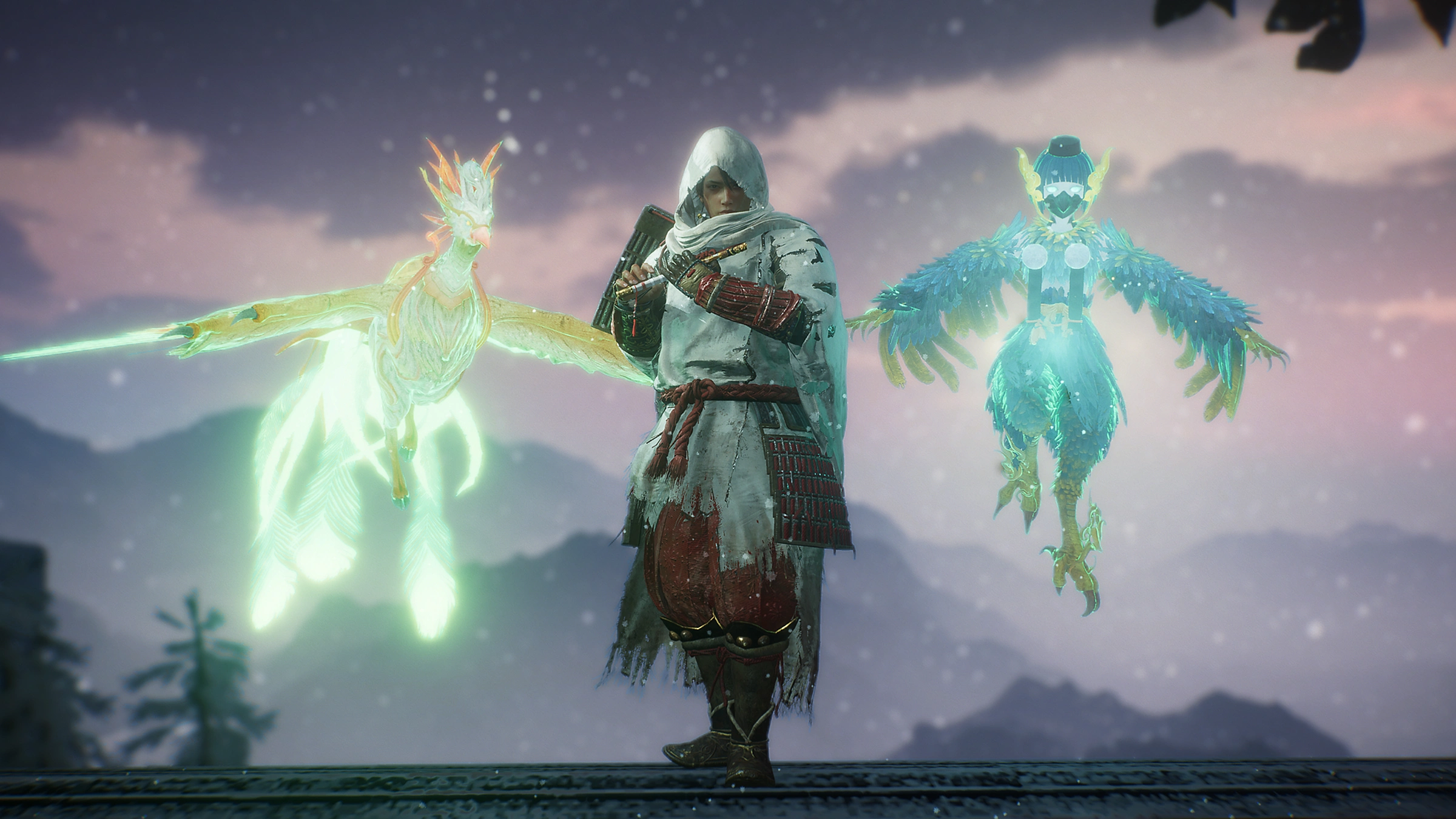
The new Crucible and Lesser Crucible systems are among the most interesting additions. Crucibles are high‑intensity challenge arenas scattered throughout the open zones. Entering one locks you into a particularly difficult combat gauntlet with escalating enemy threat and unique modifiers — reduced Ki regeneration, maximum life loss/reduction, elemental hazards or enemy buffs. Completing a Crucible rewards rare materials, high‑tier gear, and sometimes unique skills tied to your chosen combat style.
Lesser Crucibles are shorter, more focused encounters that serve as mid‑zone tests of your build and reflexes. They’re optional, but they’re some of the most satisfying content in the game, offering a distilled version of Nioh 3’s combat without the navigation or exploration layers. These systems feel like Team Ninja’s answer to Elden Ring’s Evergaols or Dark Souls’ challenge arenas, but with a stronger emphasis on build expression and mechanical mastery.
Exploration is supported by a familiar loop of clearing enemy camps, opening shortcuts, discovering shrines, and looting chests across a map almost as covered in icons as those in recent Assassins Creed games. Gear remains central to progression, with a deep and often bewildering loot system that encourages constant tweaking and optimisation.
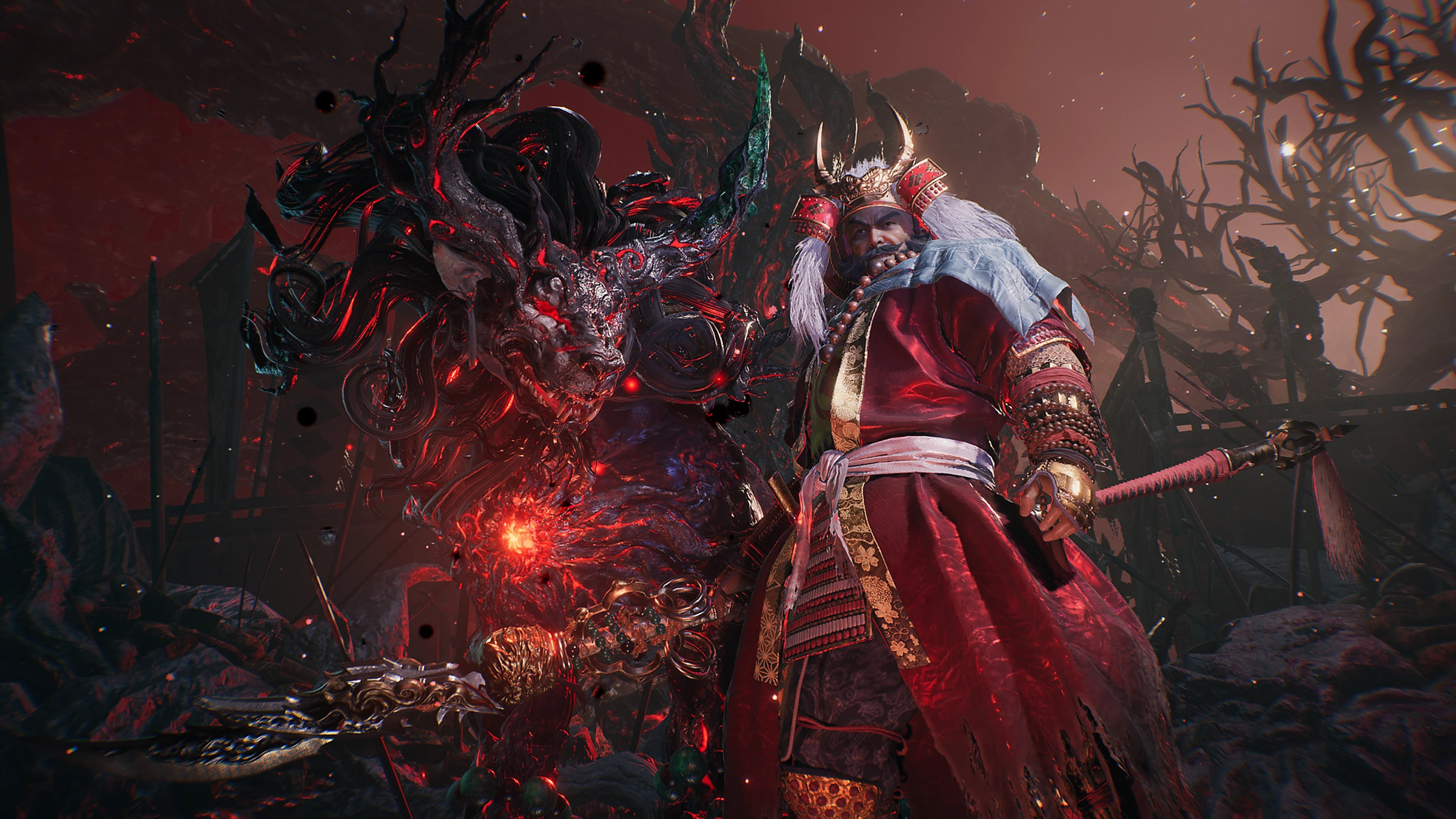
The open‑zone structure means you’ll often stumble into areas above your level, mirroring the sense of danger and discovery that defines Elden Ring. But unlike FromSoftware’s games, Nioh 3 gives you more tools to adapt — respec options, flexible builds, and the ability to switch combat styles on the fly. Often, grinding is still the answer, but sometimes, you just need to use the tools you already have in a different way.
Nioh 3’s difficulty is firm but mostly fair. Team Ninja has always leaned into punishing encounters, but Nioh 3 feels more accessible thanks to its expanded tutorial, clearer telegraphs, and the more forgiving nature of its semi-open world. As with most games in this genre, early-game giants and horrors sent to punish the player and teach them the natural order of things soon fall to a levelled up character being handled by a pro.
Nonetheless, despite being “generally” overlevelled for where I was, I did still find that bosses (especially in Crucibles) quickly put a stop to my progress and forced me to rethink everything I’d spent the last hour or so succeeding at. In short, Nioh 3 is still a masocore game, but it’s one that wants you to succeed — eventually.
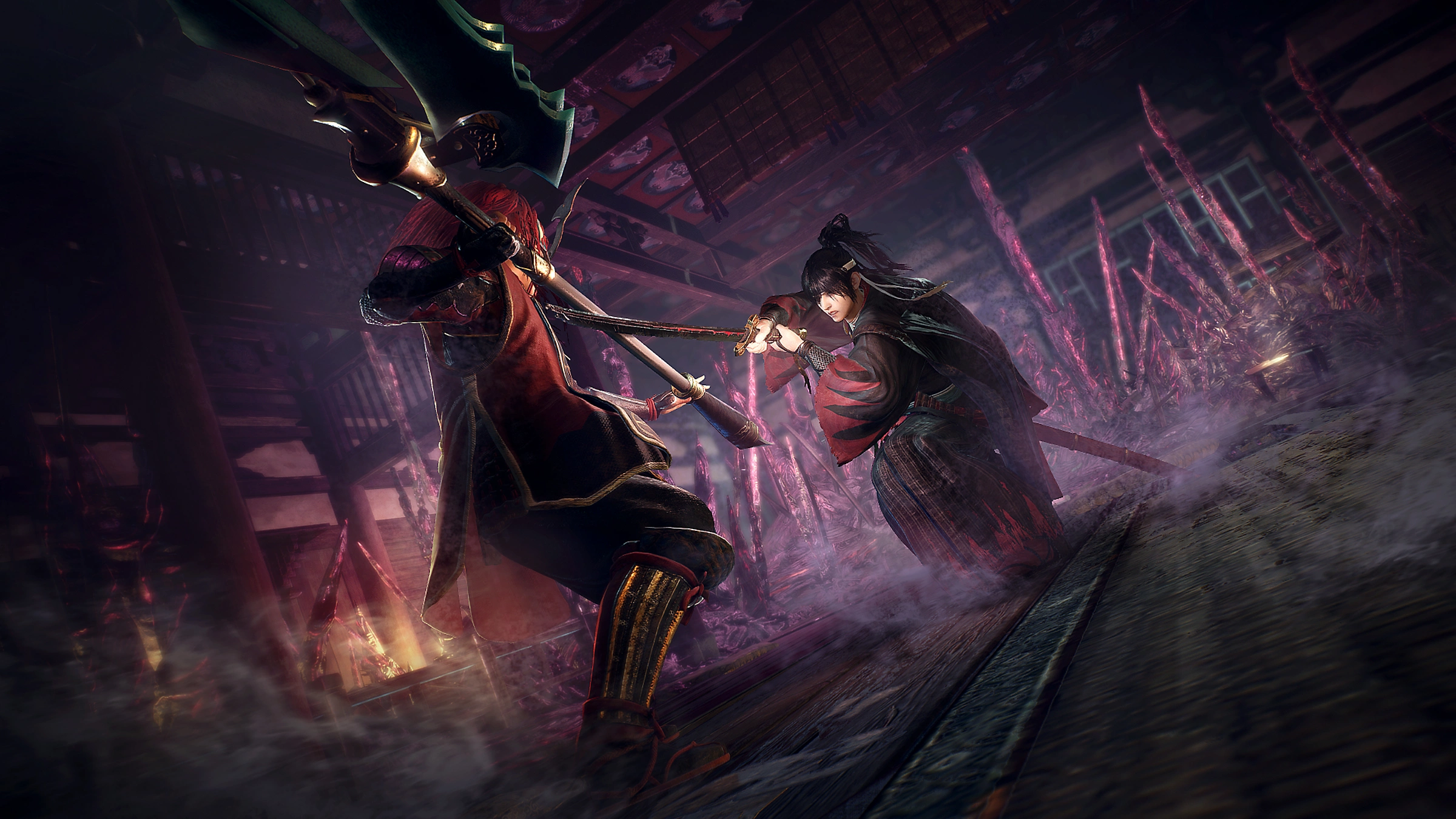
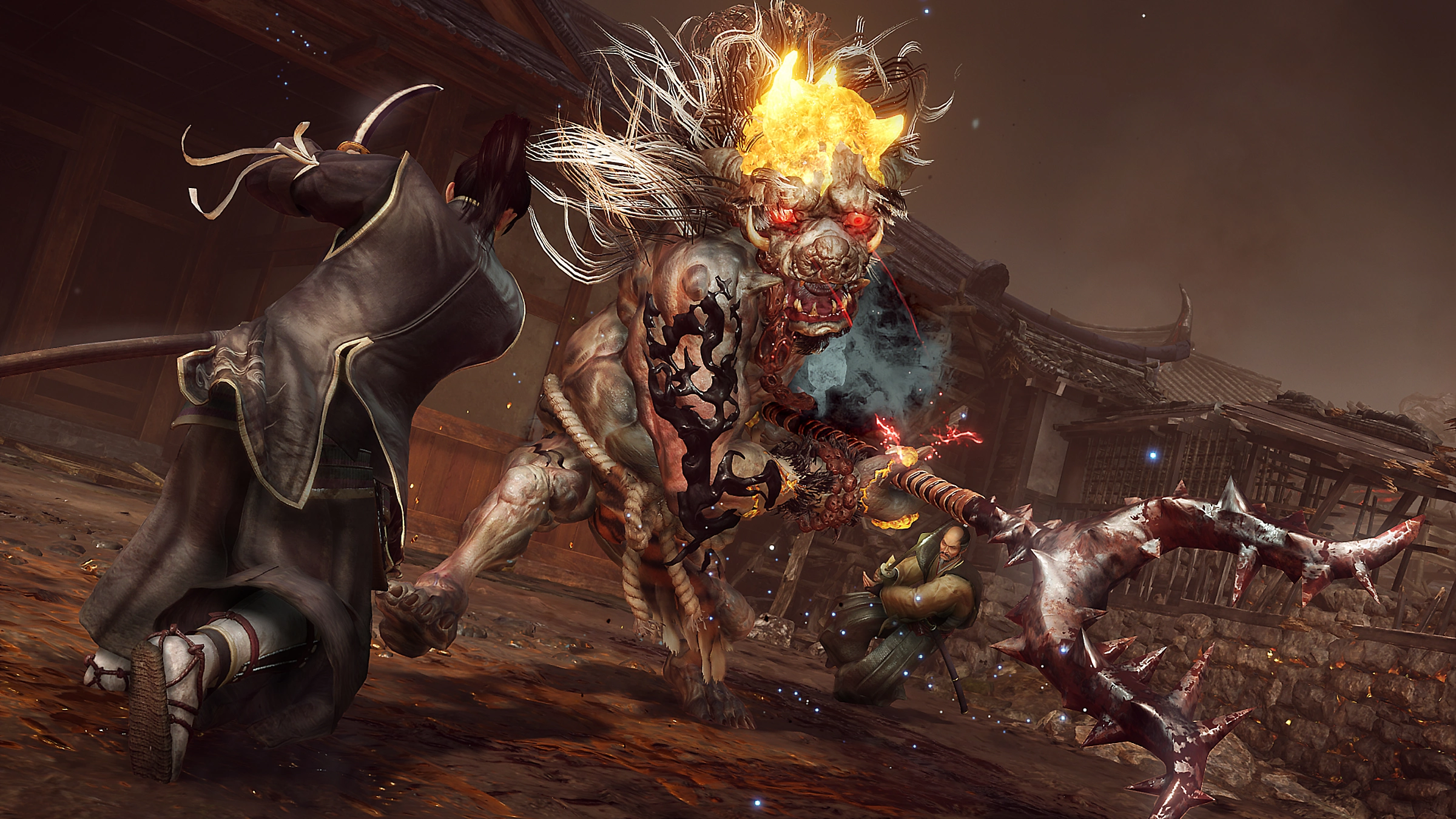
These boss fights are still a particular highlight, blending the spectacle of Elden Ring with the precision of Nioh. Early bosses showcase the game’s emphasis on pattern recognition, stance management, and style switching. Later bosses push these systems to their limits, demanding mastery of Ki Pulse, yokai counters, and the new Ninja techniques. The variety is impressive, and the PS5’s performance ensures that even the most chaotic encounters remain readable — whilst still on occasion extremely difficult.
Multiplayer returns with co‑op support for up to three players, though crossplay is reportedly absent — PlayStation players can only play with other PlayStation users. This limitation may be disappointing for some, especially in a genre where co‑op can be a lifeline, but the underlying system is robust and integrates smoothly into the open‑zone structure. Whilst the lack of partners I experienced might reflect the time spent on Nioh 3 prior to its main release, I never struggled to find cooperative ghosts (summoned from Benevolent Graves) to help me.
Visually, Nioh 3 is a step up from its predecessors but still prioritises performance over spectacle. The environments are more varied, the lighting is richer, and the animations are smoother, but the game doesn’t aim for the visual grandeur of Elden Ring. Instead, it focuses on clarity and responsiveness — a choice that suits its fast, technical combat. You can switch between visual or performance modes, but I found performance strong in either, and as I’ve already said, the graphics overall are good without being groundbreaking — with animation and lighting effects impressing more than some of the more basic textures that make up Nioh 3’s world.
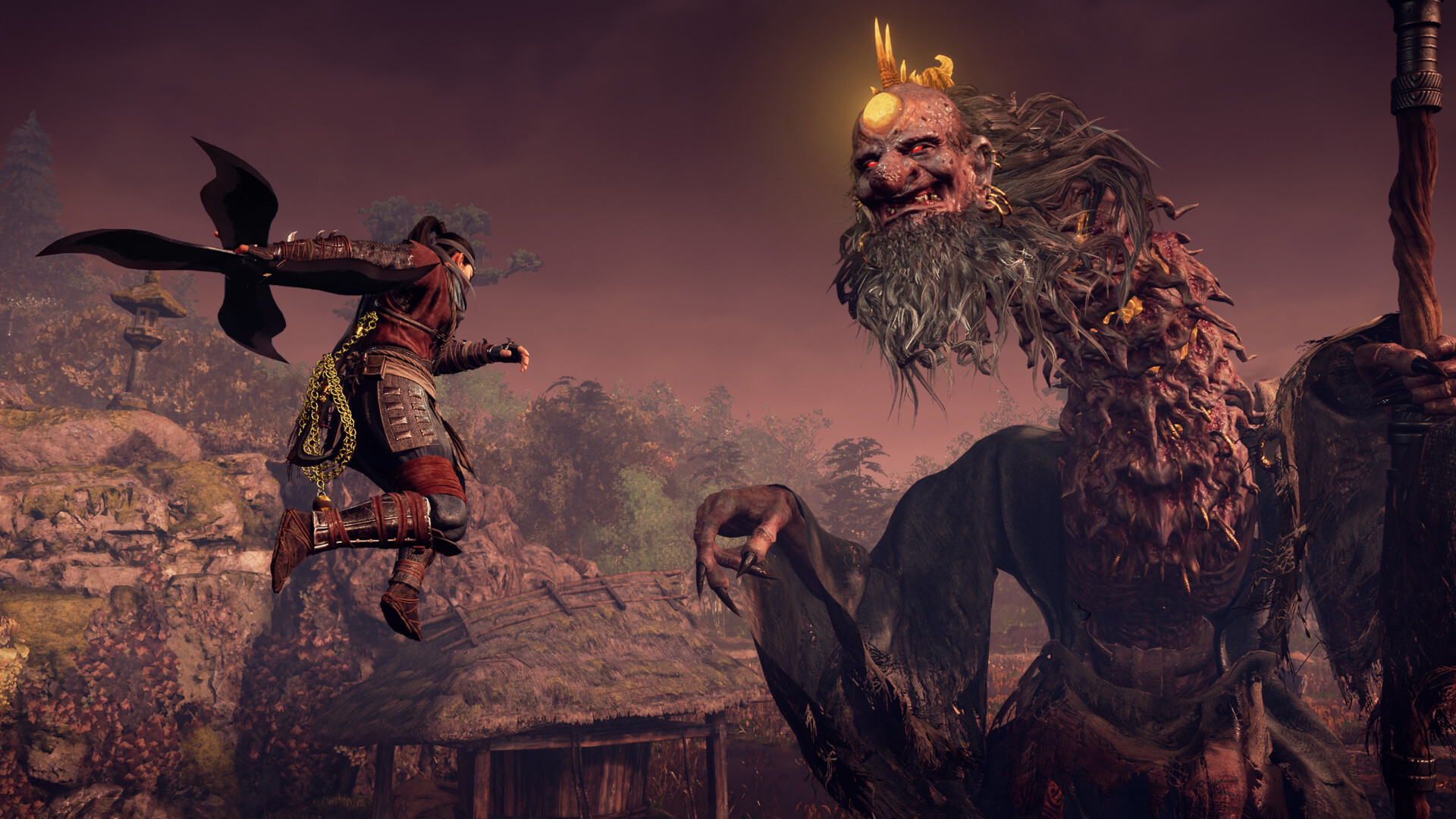
Taken as a whole, Nioh 3 feels like the culmination of everything Team Ninja has been building toward. It blends the stance‑driven precision of Nioh, the build flexibility of Nioh 2, the speed of Ninja Gaiden, and the open‑zone ambition of Rise of the Ronin. It doesn’t quite achieve the seamless world design of Elden Ring, but it offers a more focused, mechanically rich alternative. It’s a game that rewards mastery, experimentation, and persistence, and it stands as one of the strongest Soulslike titles I’ve ever played — if not one that sits mere millimetres behind current (and still) genre champion Elden Ring.
If Dark Souls is about endurance and Elden Ring is about exploration, Nioh 3 is about expression — the expression of skill, style, and buildcraft. It’s a game that trusts you to learn, adapt, and overcome, and it gives you the tools to do so in ways that feel uniquely its own. Even a ten minute play will yield hundreds of item drops, and the stances, Samurai and Ninja styles and hundreds of skills lead to infinite customisability. For fans of the series, Nioh 3 is a triumphant return. For newcomers, it’s the most approachable entry yet — without being a pushover. And for the genre as a whole? Well, Nioh 3 is a reminder that there’s still room for innovation within the masocore formula.
Nioh 3 is available now for PlayStation and PC
